
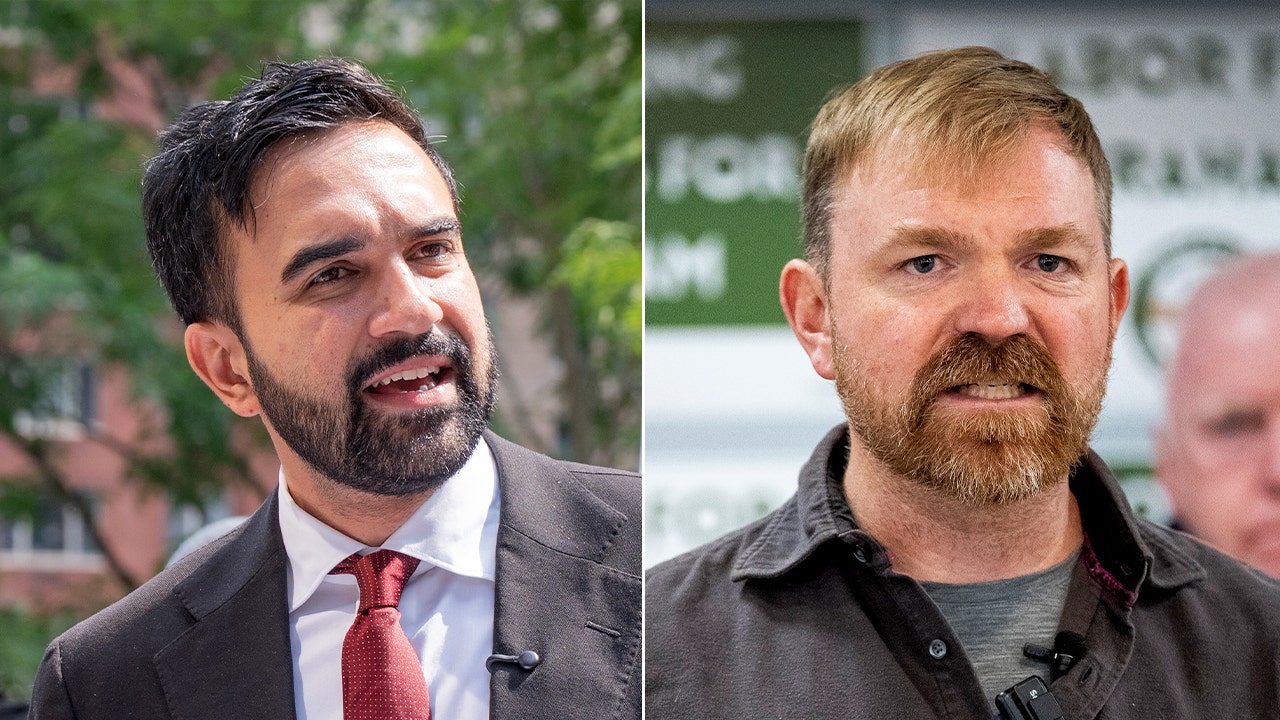
The Democratic Party’s leftward lurch is now obvious and consequential, producing charismatic local winners who boast socialist labels yet stumble when facing broader electorates; this piece looks at why those primary victories don’t translate to national appeal, how youthful enthusiasm and identity issues drive the shift, and why Republican discipline under Trump produced a very different party strategy.
Democrats in cities are flirting with ideas that used to be political third rails, and they wear that flirtation like a badge. Socialism is no longer a dirty word in many liberal circles, and activists cheer candidates promising expansive government programs and symbolic gestures. That energy translates well on a primary ballot where turnout skews young and engaged.
MAMDANI’S POLITICAL EARTHQUAKE ROCKS DEMOCRATS, DIVIDING PARTY ON PATH FORWARD captured the shock to establishment ears when an insurgent candidate toppled a veteran in a marquee race. Zohran Mamdani emerged as a fresh face with a clear brand: anti-establishment, proudly socialist, and willing to push controversial foreign-policy stances. Those traits electrify a base but raise red flags for swing voters outside city limits.
Local promises—free buses, government grocery stores, bold pronouncements about social identity and culture—sound satisfying in stump speeches and on social feeds. Reality hits when mayors and council members need cooperation from state capitals to fund or implement those plans. That mismatch between campaign theater and governance breeds headaches fast.
DEMOCRATIC SOCIALIST MAYORAL NOMINEE CREATES GROWING HEADACHE FOR VULNERABLE NEW YORK DEMOCRATS is the kind of headline that underlines the risk: what wins a primary can be a liability in a general. Voters in statewide or national contests tend to be more cautious, wary of sweeping promises and ideological labels that suggest radical change. The parties that succeed broadly are those that can reassure undecided and working-class voters.
Many of the new-wave candidates are young, media-savvy, and excellent at generating enthusiasm in small, intense crowds. Their focus on identity language and cultural battles energizes a niche but alienates people who want stability and common-sense policy. That alienation is visible among independents and working-class voters who feel left behind by elites obsessed with symbolism over paychecks.
THE FAR LEFT HAVE TAKEN CONTROL OF THE DEMOCRATIC PARTY PLATFORM, AND IT’S TURNING VOTERS OFF neatly states the complaint heard in swing suburbs and rust-belt towns. Between rhetoric about pronouns and debates over who qualifies for which sports team, the cultural preoccupations pile up. Practical voters judge leaders on safety, the economy, and competence more than on whether they use precisely the right label in every headline.
Other examples show the pattern repeating: progressive insurgents win primaries in places where the primary is the only real contest, then face the limitations of municipal power. Janeese Lewis George and Katie Wilson illustrate how a candidacy can thrive in a local ecosystem yet bump against funding, legal constraints, and broad voter skepticism. Those constraints reveal the gap between ambition and authority.
SOCIALIST SURGE: MAMDANI FLEXES GROWING POLITICAL MUSCLE AS HE TAKES ON DEMOCRATIC PARTY ESTABLISHMENT and FETTERMAN CALLS OUT ‘ABSOLUTE SOCIALIST’ SEATTLE MAYOR AND ‘AVOWED COMMUNIST’ GRAHAM PLATNER are blunt reminders that the new guard is testing limits and provoking both praise and alarm. Some voters admire the boldness and bristle at perceived hypocrisy; others simply prefer leaders who prioritize jobs and public safety over ideological signaling. That divide shapes turnout and choices in mixed electorates.
By contrast, the Republican path under Trump showed what centralized discipline can do: clear messaging, internal enforcement, and a focus on a coalition that stretches beyond elites. Trump bent the party toward a single direction and used primary pressure to keep rivals in line, a method that has consequences for coherence heading into general elections.
LEFT, LEFTER AND LEFTIST: DEMOCRATS COULD BE DEFINED BY RADICAL, BIG CITY MAYORS nails the trend label, but labels alone don’t win national contests. The Democrats’ current identity gamble works well in blue enclaves and on social platforms, yet those same stances risk alienating suburban and rural voters who decide many swing states. The coming elections will reveal whether energy concentrated in pockets can convert into broad, cross-demographic support or merely reshape municipal politics while ceding wider ground.

1 Comment
Socialism is the first step toward communism and New Yorkers are going to reap a whirlwind of chaos in the months to come as this socialist Muslim NY mayor destroys the state o NY and looking to undermine OUR CONSTITUTION values and LAWS. Wake UP NY YORKERS and TAKE A REAL LOOK AT WHAT YOU ARE DOING TO YOUR STATE and CITY! ! !