
Polls are flashing bright red for Republicans and bright blue for Democrats, but the real story sits underneath the topline numbers. Voters are angry about prices, frustrated with Trump, and open to change, yet many still aren’t sold on Democrats as the answer. That gap between rejection and belief is where this race gets interesting.
On paper, Democrats have the kind of momentum campaigns dream about. Generic ballot numbers are strong, Trump’s approval is weak, and affordability has become the party’s favorite buzzword. That sounds like a clean path to victory, except elections rarely move in straight lines when the public is this fed up.
The key point is simple: being mad at one side is not the same thing as trusting the other. A voter can hate grocery bills, blame Republicans, and still wonder whether Democrats actually know how to fix the mess. That’s why a lead in the polls is not the same thing as a real mandate.
There’s also a big difference between a protest vote and a cause. In 2018, Democrats had healthcare, a message that was easy to understand, easy to repeat, and easy to turn into a reason to show up. People knew exactly what they were voting for, not just what they were voting against.
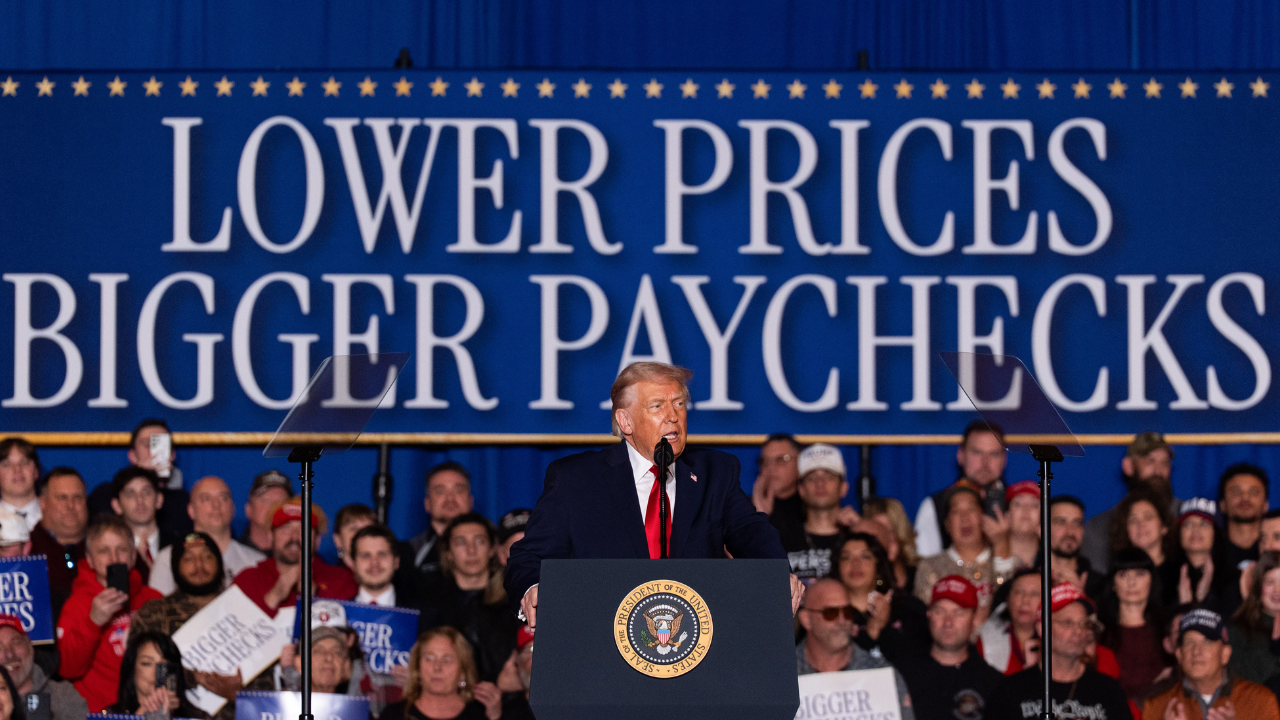
Affordability is more slippery. It sounds powerful, and it absolutely taps into what voters feel every time they buy food, fill up the tank, or open a utility bill. But as a slogan, it still needs a real answer attached to it, or it risks becoming just another word both parties can say without meaning much.
That’s where the numbers get tricky. Even with the economy front and center and voters sour on Trump, the parties are barely separated on economic policy in some surveys. That suggests Democrats may be winning the mood of the moment without yet winning full confidence on substance.
Republicans, meanwhile, cannot act like voters are imagining the pain. Telling people prices are fine when they clearly feel squeezed is a fast way to lose trust, and changing the subject does not lower the grocery bill. If the public thinks the country is too expensive, the answer cannot be to argue with their receipt.
Still, this is not some blanket embrace of the Democratic worldview. Republicans remain stronger on issues like immigration and crime, which matters because elections are rarely decided by one issue alone. Many voters are not converting so much as they are looking around, dissatisfied with everybody in the room.
That matters because frustration can push people in different directions. Some may lean Democratic because they want to punish Trump. Others may stay home, hold their nose, or wait until the last minute to decide, which means enthusiasm on one side can look bigger than it really is.
For Democrats, the challenge is turning anger into belief. It is not enough to say Trump is unpopular or that prices are too high, because voters already know both things. They need a story that feels concrete, credible, and connected to everyday life.
For Republicans, the challenge is more practical. They need to show that their policies can actually improve daily life before voters decide the pain outweighs the promise. That means less spin, more results, and a lot less pretending the affordability issue is just a talking point.
The bigger warning sign is the public mood itself. People are exhausted by Trump, exhausted by Democrats, and exhausted by Washington’s habit of making everything louder while fixing little. That kind of fatigue can make a race unpredictable fast, because tired voters are rarely loyal voters.
So yes, Democrats have reason to smile at the polling. Republicans have reason to sweat. But neither side should confuse unhappiness with allegiance, because anger can create movement without creating love, and that is exactly the kind of messy political terrain that decides real elections.
