
Key points to keep in view:
- Data centers are becoming a major local and national issue.
- Blanket opposition can slow growth, jobs, and tax revenue.
- Energy, water, and zoning concerns need facts, not panic.
- Local communities should have a real role in decisions.
- Democrats can still lead by offering practical solutions.
Elected officials keep running into the same scene: packed town halls, heated residents, and a wave of anxiety about data centers taking root nearby. That pressure is real, but the reflex to slam the brakes is not always smart. When policy gets driven by fear alone, communities can miss out on serious economic upside and lose control of the conversation to the loudest voices in the room.
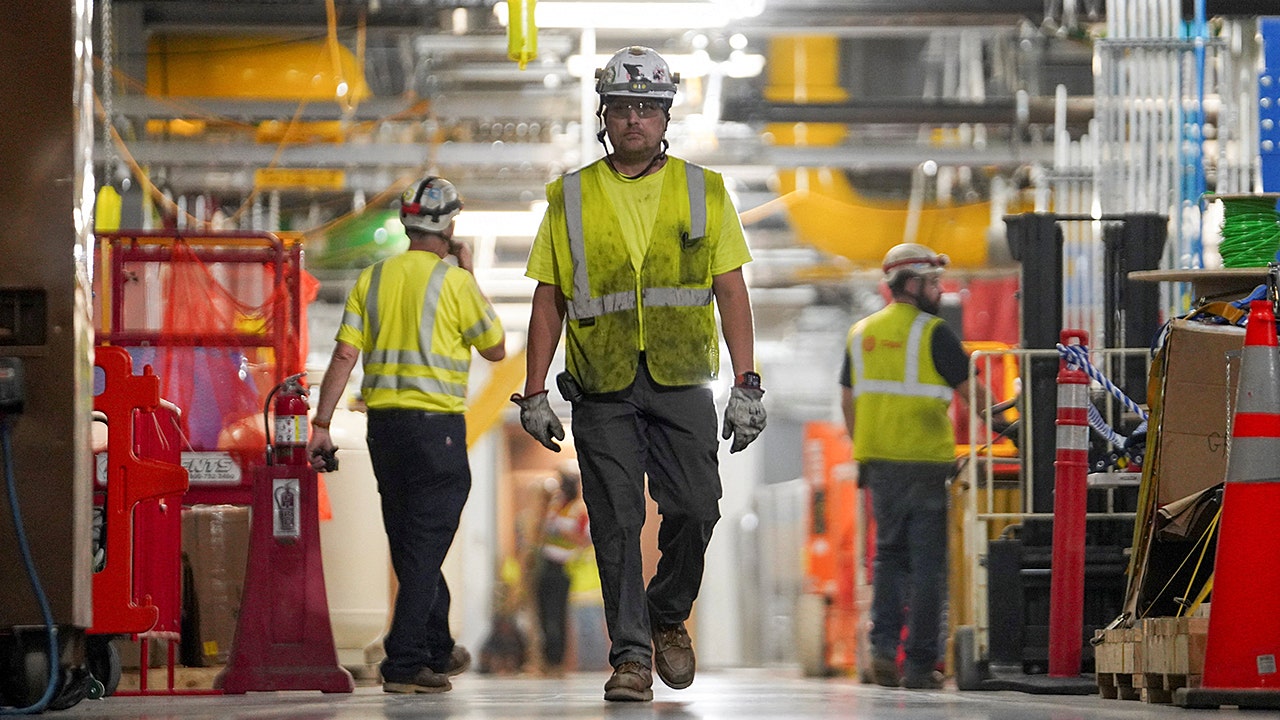
Data centers sit right at the center of the modern economy, especially as artificial intelligence keeps expanding. They support high-paying construction work, steady long-term jobs, and a tax base that can help fund schools, police, roads, and other local needs. For counties looking for a durable source of revenue, that kind of private investment can be a huge deal.
That does not mean concerns should be waved away. People worry about electricity costs, water use, noise, and whether industrial sites belong near neighborhoods at all. Those are fair questions, and they deserve clear answers instead of blanket bans that treat every project like a threat.
The smart approach starts with better information. Local boards and state leaders should know what they are approving, what the power demand looks like, how the water will be handled, and what standards are in place for the surrounding community. Facts matter here, because emotion alone can lead to decisions that feel good in the moment and cost a fortune later.
Energy is usually the first flashpoint. Some critics blame data centers for rising rates, but the reality is more complicated, with aging grids, larger geopolitical pressures, and heavy demand all playing a role. Many operators are willing to pay for upgrades, build their own power capacity, or help finance the system improvements needed to support growth without dumping the bill on everyone else.
Water is another target, and it is easy to understand why. In places that already feel stretched, any large industrial user can trigger alarm. Still, newer facilities often rely on closed-loop systems or treated wastewater, and in many cases their use is smaller than people assume when compared with everyday local consumption.
Zoning is where a lot of communities get caught off guard. If a county allows data centers in areas that are too close to homes, the backlash is predictable and avoidable. That is why the best path is not simply saying yes or no, but making sure development happens in the right places with clear rules from the start.
The economic case is hard to ignore. In some regions, data centers occupy a small slice of land while producing an outsized share of tax revenue. That money can keep public services moving without hiking taxes on working families who are already feeling squeezed from every direction.
There is also a political angle Democrats should not miss. If the party wants to sound credible on growth, jobs, and opportunity, it cannot get trapped by a reflexive anti-development mood. Voters do not reward leaders who only know how to say no, especially when the alternative is a plan that brings investment, wages, and a stronger local economy.
The best version of this debate is not about choosing between progress and community. It is about making room for both, with rules that are tight enough to protect residents and flexible enough to let the future arrive. Communities should demand accountability, but they should also recognize when a major industry is ready to pay its way and stay on the hook.
That is where serious leadership comes in, and it is where local officials can either rise to the moment or shrink from it. Data centers are not going away, and the pressure around them is only going to grow as more businesses, hospitals, schools, and households rely on digital infrastructure. The real challenge is deciding whether that growth gets managed with confidence, or handled like a crisis that never needed to become one.
