
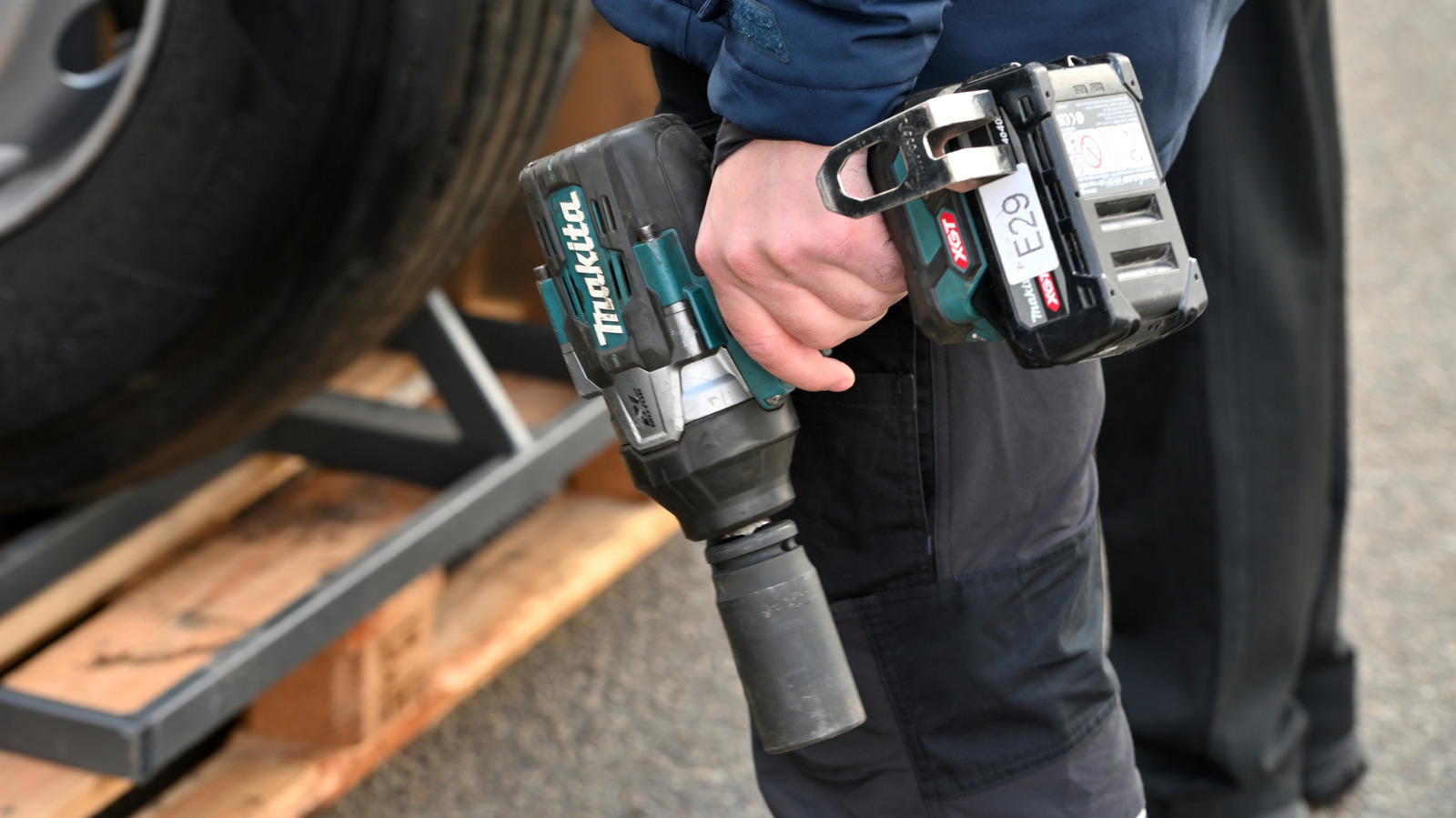
- Makita battery covers and what they are for
- Differences between XGT and LXT battery covers
- Pricing and where they are sold
- Protection against short circuits, dirt, and damage
- Official covers versus generic alternatives
- Simple storage options for battery safety
Makita battery covers are a small accessory with a pretty big job. They snap over exposed battery terminals to help keep dust, metal bits, and moisture out of places they do not belong. That matters whether the battery is sitting in a toolbox, riding around in a truck, or packed for a flight.
Makita offers two main versions: one for its 40V XGT batteries and another for 14.4V and 18V LXT batteries. The company describes them as being built from durable materials meant to last, even if it does not spell out the exact makeup. In practical terms, they are designed to fit snugly and add a layer of protection where batteries are most vulnerable.
Price is where things get a little more interesting. The LXT cover usually lands at a low price point, while the XGT version costs more, which makes sense given the larger format and different battery platform. For a lot of owners, the question is not whether the covers work, but whether they are worth paying for when batteries already feel expensive enough.
There is a simple answer for people who want the official route: buy through Makita distributors or authorized sellers. That keeps things straightforward and gives buyers the exact part made for their battery style. It also avoids the guesswork that can come with trying to match a cover from a third party.
The main appeal of a battery cover is protection during everyday handling. A covered battery is less likely to get hit by loose screws, coins, nails, or other metal odds and ends that can cause trouble if they touch the terminals. That kind of contact can lead to corrosion, a short circuit, or in the worst cases, a fire risk.
It is also handy for people who work in messy environments. Dust, grit, and debris can build up around the terminals, and a cover helps keep cleaning time down later. For anyone who keeps multiple batteries in rotation, the covers can even help separate charged packs from empty ones at a glance.
Travel is another place where these covers earn their keep. Airline rules focus on preventing short circuits, and a terminal cover is one of the simplest ways to do that. Power tool batteries are allowed in carry-on baggage under the right conditions, but the terminals still need to be protected.
That said, official branding is not the only path. Generic battery covers can do the same basic job, and they often cost less. Some users say they have switched away from Makita’s own covers because cheaper alternatives still protect the terminals without eating into the budget.
For people who want to spend as little as possible, there are backup fixes that still make sense. Tape over the terminals can meet safety needs in a pinch, and some guidelines also point to original packaging or a plastic bag as workable options. Those are not fancy, but they get the point across.
There is also the storage angle, which is where a lot of battery problems begin. A dedicated carrying case with dividers can keep batteries from banging into tools, hardware, or each other. When batteries are treated like fragile gear instead of loose junk in a pile, they tend to stay cleaner, safer, and ready for the next job.
