
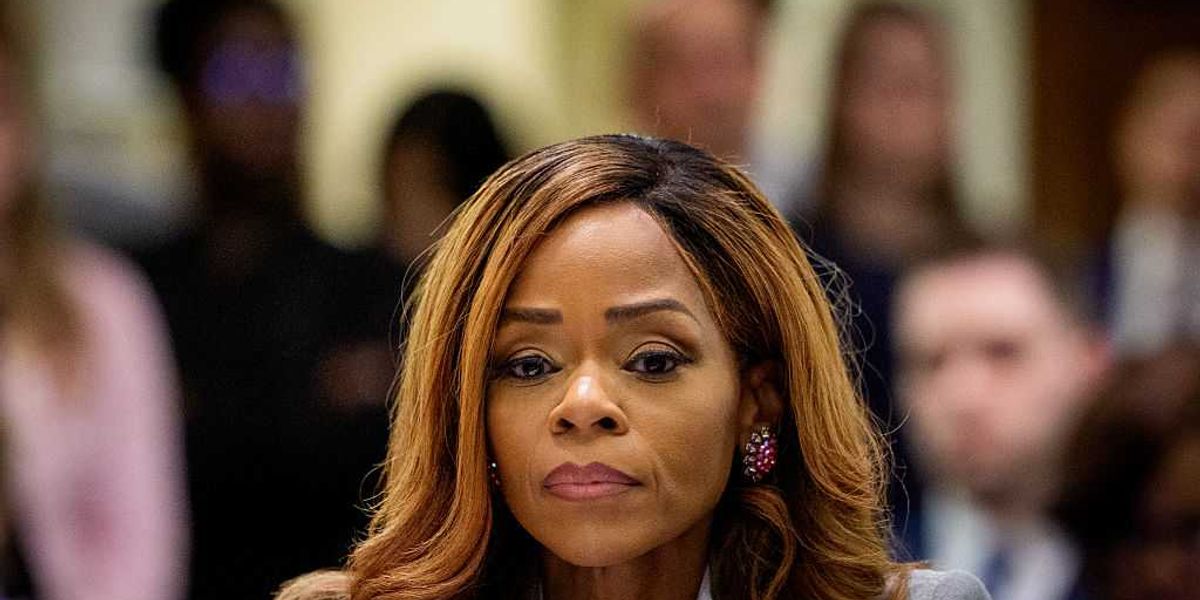
A Florida congresswoman quietly stepped down as House investigators closed in, arguing the ethics process was unfair while facing serious campaign finance accusations; the resignation avoids an expulsion fight and leaves a messy set of questions about accountability and political theater in Washington.
Sheila Cherfilus-McCormick walked away from Congress as pressure mounted around an ethics inquiry tied to alleged misuse of federal funds during the pandemic. Republicans and independents watching this saga see the resignation as more than a personal escape hatch; it looks like a way to sidestep answers and accountability when the stakes are high.
“This was not a fair process,” Cherfilus-McCormick in a statement Tuesday. “The Ethics Committee refused my new attorney’s reasonable request for time to prepare my defense. By going forward with this process while a criminal indictment is pending, the Committee prevented me from defending myself. I will not stand by and pretend that this has been anything other than a witch hunt.”
Her words about due process sound reasonable on paper, but context matters. The investigative subcommittee found dozens of campaign finance irregularities, and the allegations include funneling FEMA relief into campaign accounts, a troubling charge that goes right to the heart of public trust.
“I simply cannot stand by and allow my due process rights to be trampled on, and my good name to be tarnished. Rather than play these political games, I choose to step away so that I can devote my time to fighting for my neighbors in Florida’s 20th district.”
https://x.com/CongresswomanSC/status/2046649247408288135/photo/1
From a conservative viewpoint, the timing is suspect and the dodge is familiar: resign before the truth is fully aired so the public and justice system lose a clear, congressional reckoning. Accountability isn’t just about process; it’s about restoring confidence that elected officials answer when accused of serious wrongdoing, especially where taxpayer funds may be involved.
Cherfilus-McCormick also warned her colleagues about the precedent of pushing investigations forward while criminal cases linger. “But let me say this plainly: we should be very careful about the precedent we are setting,” Cherfilus-McCormick said in the statement. “In this country, we do not punish people before due process is complete. We do not allow allegations alone to override the will of the people. That is a dangerous path, and one that should concern every American, regardless of party.”
The danger she mentions is real only if selective protections shield public servants from consequences. Conservatives argue true due process should include thorough probe, transparent findings, and an unbiased path to either exoneration or punishment. Walking away to avoid expulsion interrupts that path and leaves questions unanswered for voters and for law enforcement.
This resignation also arrives amid a string of recent high-profile departures that span the political spectrum, underscoring a broader erosion of trust in elected officials. When members of Congress exit under scandal—whether financial or personal—it creates a perception that Washington shields insiders and that resignations become a shortcut around full accountability.
Republicans will push for clarity and will press justice officials to follow the evidence wherever it leads, independent of someone’s decision to resign. Voters deserve a system that treats allegations seriously, gives the accused a fair chance to respond, and ensures outcomes are not dictated by timing or political convenience.
