
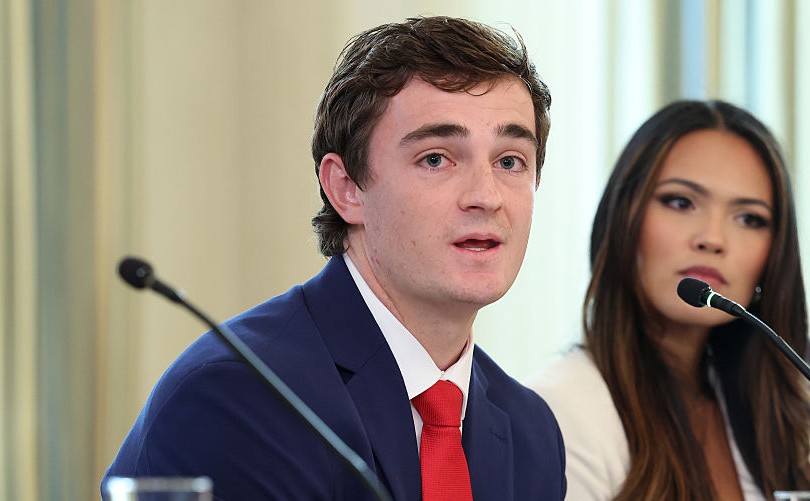
California Democrats have moved a bill nicknamed the “Stop Nick Shirley Act” through the process in a way that opponents say targets investigative reporting and threatens basic free speech protections. Critics argue the legislation was misrepresented in committee and that the author did not give lawmakers the full picture, sparking fierce objections from Republican voices in the state. The controversy centers on whether this measure criminalizes the routine work of reporters and whistleblowers who hold power to account.
‘Outrageous!’ California state Assemblyman Carl DeMaio declared, noting that the author of ‘The ‘Stop Nick Shirley Act’ ‘misrepresented contents of the bill’ and ‘lied to committee members.’ That outburst captures the anger among those who worry the bill shifts the ground under journalists and citizen watchdogs. The allegation that committee members were deceived goes to the heart of democratic process and legislative transparency.
The language critics point to is framed as an effort to stop harmful behavior, but it also reads like a tool to chill aggressive reporting. When statutes leave broad discretion to prosecutors, ordinary inquiries and reporting can suddenly become risky. Journalists and investigators rely on the freedom to ask tough questions; vague criminal rules invite selective enforcement against political opponents.
Republican leaders are blunt about the stakes: this is not just a policy debate, it is a fight over who gets to question public officials without fear. The pattern here matters more than the bill’s title. If the law allows officials to weaponize complaints or investigations against reporters, the effect will be to protect the powerful and punish those who expose misconduct.
Beyond the legal angles, the procedural accusations are alarming. Lawmakers deserve clear, honest explanations when they vote on measures that affect free speech and the press. The claim that the bill’s author misled colleagues undermines trust and demands a full accounting of how the measure evolved and what it actually does once enacted.
Practical problems are easy to envision: reporters who post undercover investigations or follow controversial leads could face prosecutors eager to prove a crime where there was only journalism. That kind of uncertainty pushes media outlets to self-censor and discourages independent reporting. A free society can’t thrive when watchdog work is threatened by vague criminal penalties.
There are better ways to address legitimate concerns about harassment or illegal conduct without turning routine investigative methods into potential felonies. Narrow, precise laws paired with clear standards protect citizens and preserve the press’s ability to report. Legislators should write carefully, consult broadly, and reject measures that create sweeping new powers without ironclad safeguards.
For Republicans watching this unfold, the priority is straightforward: defend constitutional freedoms and demand accountability from colleagues who ram through bills by mischaracterizing their effects. Voters expect transparent deliberation and laws that don’t invite abuse. Standing up for a robust, independent press is part of holding government to account.
What happens next will matter. If the legislature proceeds without fixing the troubling language and answering questions about how the bill was presented, skeptics will see that as a deliberate choice to silence scrutiny. Lawmakers can still choose a path that protects both safety and speech, but it will take clear fixes and public oversight to rebuild confidence.
