
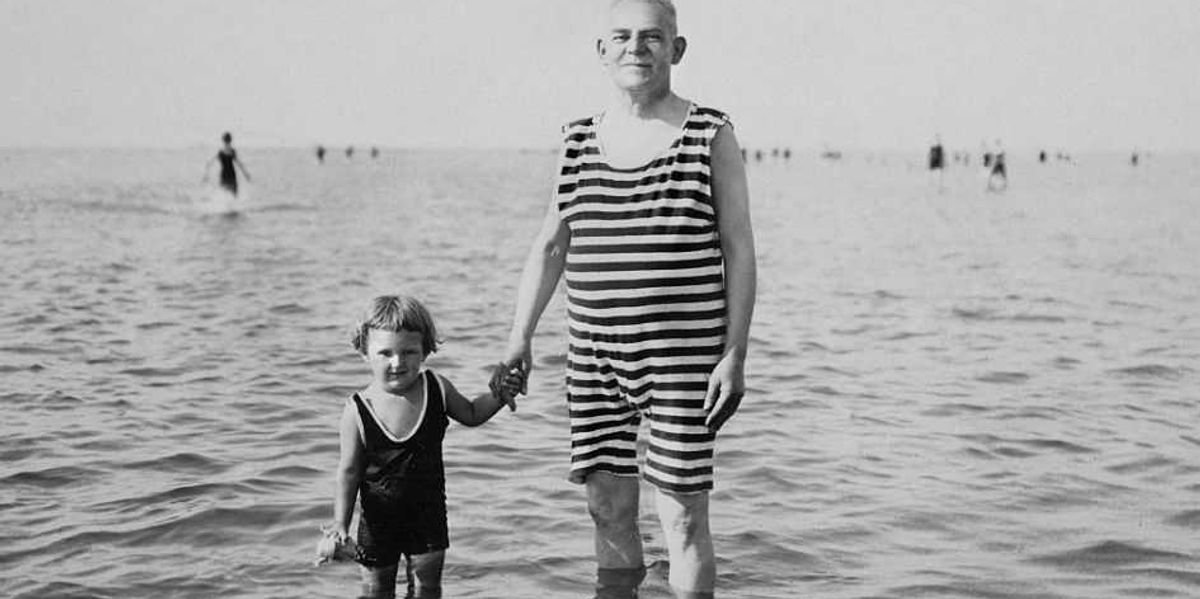
I write about a grandfather I loved, the slow theft of his self by Alzheimer’s, and the shift in science from one-target fixes to broad, connected treatments. This piece mixes memory and reporting to show how a life lived in small rituals becomes the measuring stick for a disease that steals more than names. It argues that hope now rests on treating the whole system rather than a single biomarker.
He taught me to walk the world with patient attention, to notice small things like acorns or the way a cow calmed under a particular hand. Those lessons stuck in bones and habits, not on a résumé: quiet standards about kindness and work that shaped how I move through years. I still carry those scenes with me, the unremarkable rituals that made him who he was.
We rose before dawn to feed animals, breath fogging in the cold, boots hitting frozen ground, hands steady. He had a softness with beasts that felt like a language—one slow touch and a wary sheep would lean in. Those mornings taught me that authority can be gentle, that patience changes outcomes more reliably than force.
He taught me how to play piano and the Irish flute — hours of patient instruction that I traded, around age 13, for sports and the dubious pleasures of warm cider in a field. I stopped. He said nothing. I am still grateful and still guilty in roughly equal measure.
“He never had a bad word to say about anyone. Not once. As an Irishman, this made him practically a medical curiosity.”
Alzheimer’s arrived like weather you couldn’t predict but had to accept. It did not steal the body first; it eroded the person inside the body, inch by collective inch, until recognition faded like a photograph left in the sun. The first blank look was a sharp, exact line: before and after, a brittle edge where conversation no longer landed.
The house changed with the disease. Simple rituals—the scatter of newspapers, a favorite chair, how tea was made—turned into markers of what had been. My grandmother kept going longer than I expected, but when she stopped, it felt like a clock that ran out because the reason for getting up had been taken away. There is a cruelty to watching two lives unwind in slow, parallel steps.
For decades researchers chased amyloid as the main villain, a tidy explanation that fit a single-target strategy. That picture has given way to a messier, truer one: tangles of tau, genetic risks, metabolic breakdowns, and even gut-related influences. Medicine is catching up to the obvious idea my grandfather lived by—systems matter, and you cannot fix everything by aiming at one small thing.
Newer therapies are cautious in their claims: they can slow decline in some patients and show biological effects, but they do not yet restore the man to the kitchen table telling a story as if it were the first time. The scientific ambition now is to combine approaches: target misfolded proteins, clear aging cells, correct metabolism, and address genetic predispositions in parallel. That multipronged approach feels like a return to common sense—treat the whole body and the networks within it.
There is a practical hope in that honesty. It arrives too late for people we’ve already lost, but it raises the chance that future families will see more good mornings. Roughly seven million Americans live with this disease; the circle of people affected is far larger when you count partners, children, and friends who become caregivers. Those private losses rarely figure into statistics, but they are the reason progress matters.
My grandfather carried me when I was too tired to walk and when I was too sick to stand. I carry him now in stories and small acts: cooking the meals he favored, tending a garden the way he taught me, calling his name back into the house through memory. It is a simple, stubborn loyalty—insufficient forever, but real and unending while I can manage it.
