
Across America our houses of worship are no longer assumed safe; attacks that once felt impossible now happen with alarming regularity. This piece lays out the facts about rising violence against churches and other religious spaces, names real incidents and states, and argues for practical, commonsense steps to protect congregations and preserve religious freedom. It stresses that defending sacred spaces is not about fear but responsibility, and calls churches to adopt layered security while staying true to their mission. The goal here is clear: reckon with reality, protect the vulnerable, and keep faith alive in public life.
There was a time when the sanctuary meant sanctuary, when the pews were a zone of peace and prayer. That landscape has changed, and the numbers are stark: hundreds of violent incidents over decades, with nearly 500 lives lost and many more wounded. These attacks did not just strike high-risk neighborhoods; they hit quiet Sunday services, rural chapels and suburban churches alike. The shock is that evil shows up where grandmothers pray and where children sing.
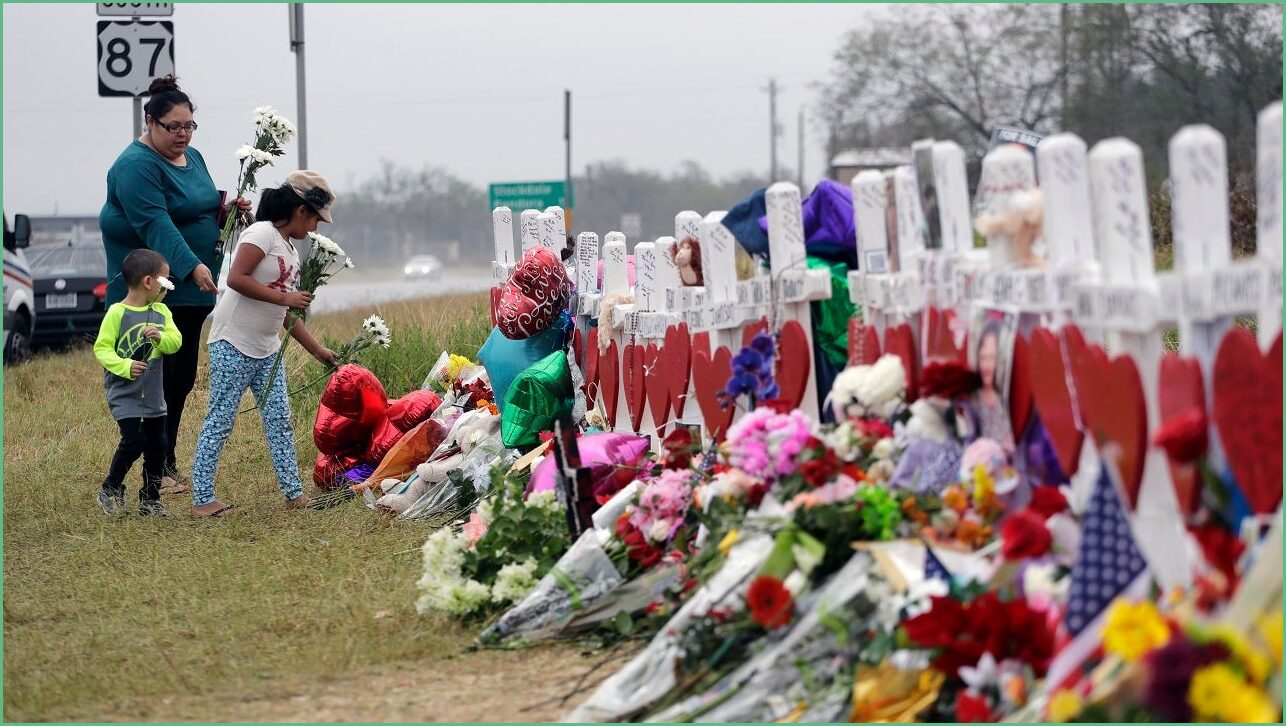
The human toll is not an abstraction. Families are permanently scarred, communities are shaken, and ordinary worshippers now face a threat they never expected. Some of the most searing examples are impossible to forget: Sutherland Springs, Texas, where 26 people were murdered during a Sunday service in 2017. The Tree of Life congregation in Pittsburgh saw eleven killed in 2018 simply for being Jewish, reminding us faith can attract lethal hatred.
Even more recent violence has hit places dedicated to children and study, underscoring the need to take threats seriously. In August 2025 an attack at Annunciation Catholic Church and School in Minneapolis killed students and wounded many more. Weeks after that, a deliberate vehicle attack and shooting at a Church of Jesus Christ of Latter-day Saints chapel in Grand Blanc Township, Michigan left several dead and multiple injured. These are clear warnings, not isolated blips.
These tragedies cut across denominations, regions and communities, showing that no congregation is immune. The pattern spans more than 30 states and every major Christian tradition, plus other faith communities. Frequency is only part of the story; the consequence of violence inside sacred walls is what makes these crimes especially devastating. When a church is attacked, it is personal, not just criminal.
An attack on a house of worship assaults the idea that sacred ground still exists in America, and that is frightening for a nation that once treated faith with automatic respect. This trend did not arise out of nowhere; it reflects a cultural shift toward indifference and, in some places, hostility to faith and tradition. Words and rhetoric matter because they shape the climate that can lead to action, and a climate that tolerates contempt for the sacred invites violence.
Calling for protection does not mean abandoning charity or losing the spirit of welcome that defines many congregations. It means being realistic and responsible. Churches need layered security, trained volunteer safety teams, clear coordination with local law enforcement and regular emergency drills. Security has to be thoughtful, disciplined and treated as part of stewardship of the flock.
Practical safeguards should sit alongside steadfast faith; they are not substitutes for worship but complements that make worship possible. The aim is to preserve the sacred—so that families can gather without looking over their shoulders, and children can attend Sunday school without fear. Taking these steps protects lives and preserves the public space where faith shapes character and community.
From a Republican perspective, protecting houses of worship is also about defending liberty and the freedom to worship openly. Religious freedom is foundational, not optional, and a society that allows attacks on churches erodes the civic soil that sustains liberty. This is a moment to act with clarity and courage, defending both people and principle.
Church leaders should not be left to improvise security alone, and congregations do not have to choose between hospitality and safety. Local officials and citizen volunteers can work together to create plans that are sensible, proportional and respectful of worship. The goal is straightforward: make sure that when people come to pray, teach and sing, they can do so without fear and with the dignity their faith deserves.
