
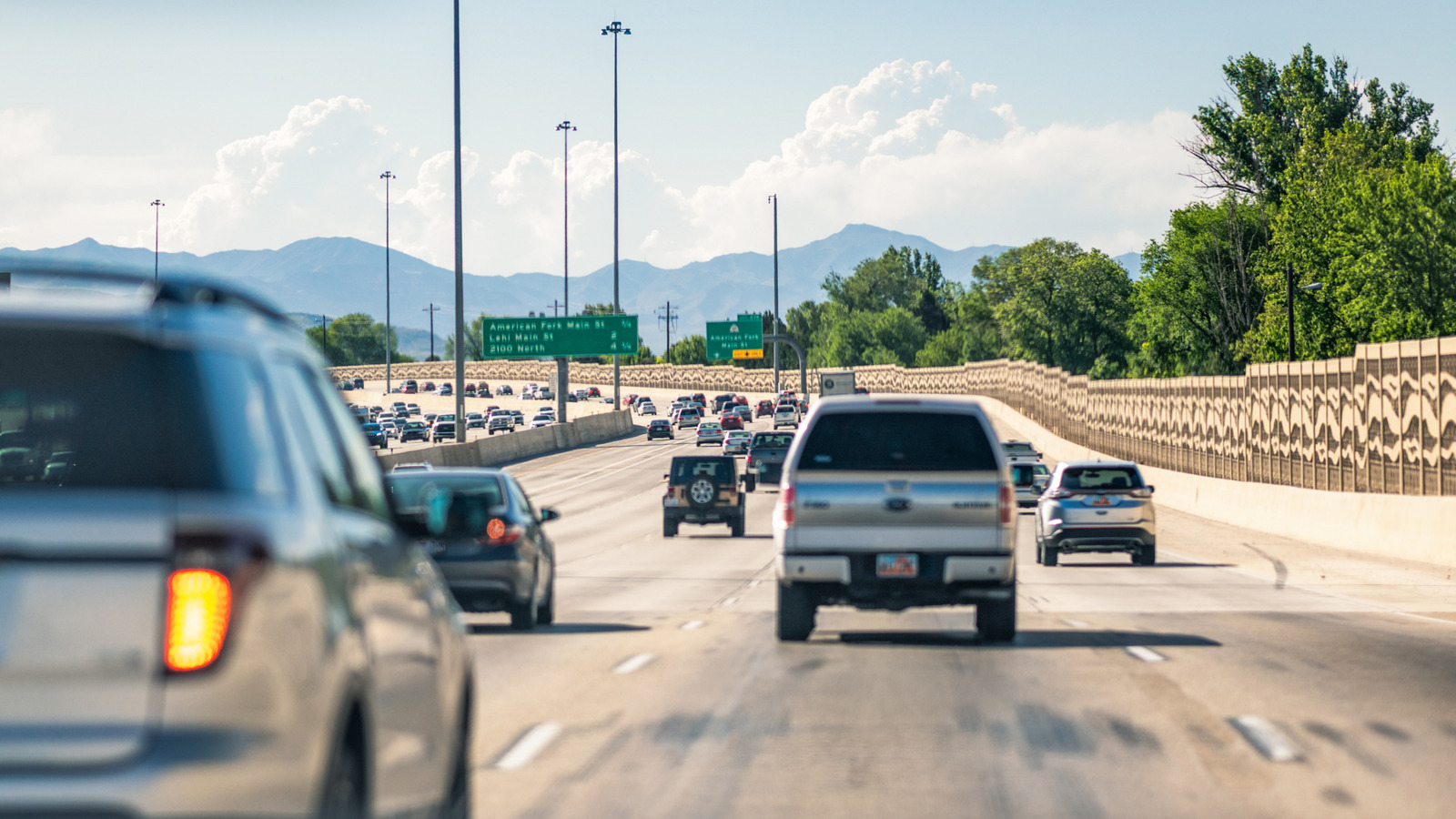
The Maintain Top Safe Speed sign tells drivers to adopt a speed considered safe for specific conditions ahead, and this article breaks down what the sign means, where you might see it, how to respond behind the wheel, and practical tips to stay smooth and legal when you encounter it.
Visually the Maintain Top Safe Speed sign is usually bold and clear, meant to be read from a distance so drivers can adjust early. You’ll most often spot it near tunnels, bridge approaches, work zones, or stretches of road where conditions can change quickly. Authorities place the sign where a uniform, controlled pace reduces risk and eases traffic flow.
At its core the sign asks drivers to hold a speed that has been judged safe for the moment, not to treat it as an invitation to race to the number. Whether the posted figure is advisory or enforceable depends on local rules, so assume caution and treat the indicated speed as the recommended ceiling. Keeping a steady pace reduces sudden braking and surprises for vehicles behind you.
Practical driving behavior matters: ease down gently to the indicated speed, avoid abrupt lane changes, and don’t drop speed so quickly that following drivers must react hard. Maintain a sensible following distance to account for reduced visibility or slick surfaces. Smooth, predictable maneuvers are the point—this sign wants uniformity across a moving lane, not erratic speed swings.
Why do traffic managers use a Maintain Top Safe Speed sign? It cuts speed variance, which is a major factor in crashes, and it helps traffic systems work more predictably in constrained or hazardous segments. Signs like these are often part of a larger traffic management plan that includes signage, variable messaging, and sometimes linked enforcement tools. When everyone moves within a safe band, bottlenecks and collisions become less likely.
Enforcement of the posted speed can range from passive to active: sometimes it’s purely advisory, other times it’s tied to cameras or patrols that ticket serious violators. Even where enforcement is light, compliance brings clear benefits—fewer abrupt lane changes, steadier flows, and less shock to braking patterns. Treat the sign as a signal that the road ahead demands attention, not just a number to glance at and forget.
Technology plays a role too. Many signs are part of systems that respond to sensors for weather, traffic density, or incidents, updating speeds dynamically. That means the safe top speed could change from one day to the next, so avoid assuming a static limit based on past drives. When the sign changes, adjust promptly and calmly; the system is reacting to measurable conditions you might not see yet.
Simple tips make the sign easy to respect: set a sensible speed early, use cruise control where appropriate to avoid drifting, and keep extra space around you in poor visibility. Watch for follow-up signs or lane controls that might modify the instruction further down the road. And if a lot of vehicles are braking hard around you, stay out of their way—anticipation beats reaction every time.
When drivers learn to read the intent behind the Maintain Top Safe Speed sign and respond without drama, traffic behaves better and stress drops for everyone sharing the road. Safe, steady pace beats sudden moves, and that’s the whole point of the instruction: keep the flow predictable and the risk low by choosing a speed that matches the conditions ahead.
