
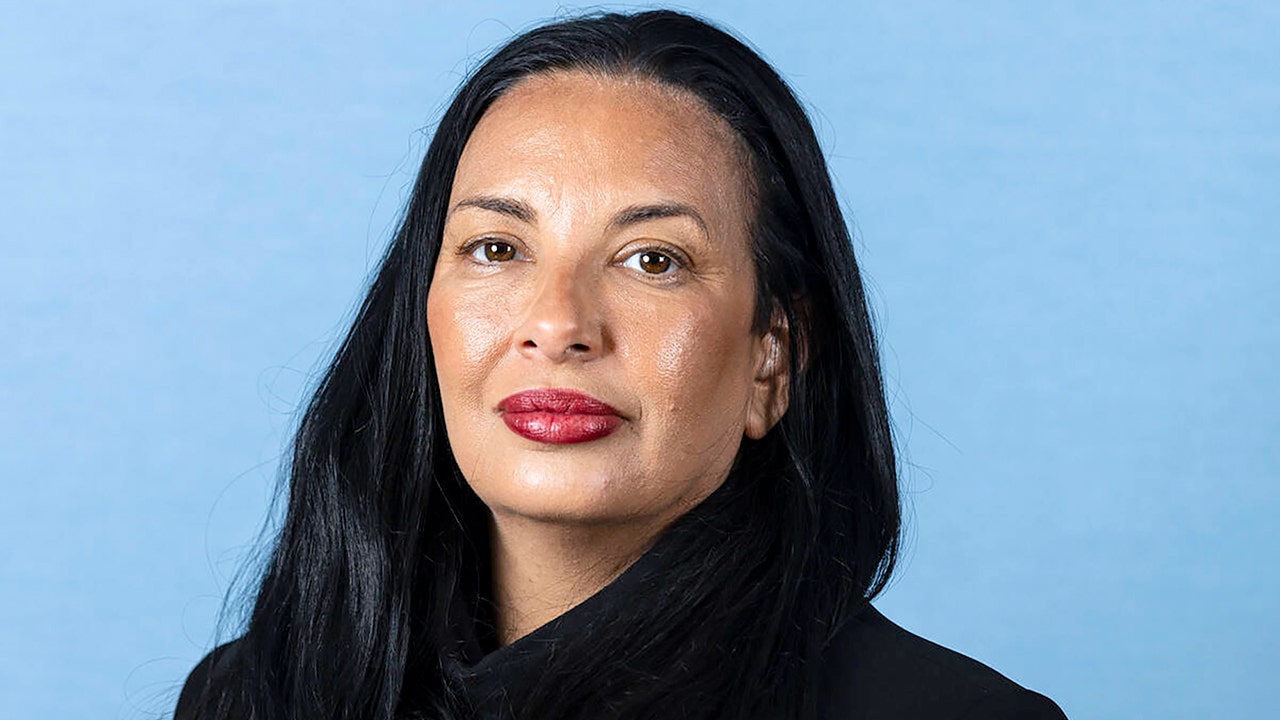
A federal appeals court has thrown out the Justice Department’s workaround in Nevada, ruling that Sigal Chattah was not lawfully kept in place as the state’s top federal prosecutor after her interim term ran out. The decision cuts straight into a familiar fight over who gets to run powerful U.S. attorney offices, how far temporary appointments can stretch, and whether the Senate-confirmation process still matters when Washington wants a shortcut.
The Ninth U.S. Circuit Court of Appeals backed a lower court finding that Chattah was not validly leading the U.S. Attorney’s Office for the District of Nevada. That means she cannot supervise prosecutions in three criminal cases tied to the challenge, and it puts a hard stop on the Justice Department’s attempt to preserve her authority through a mix of appointment and delegation.
Chattah came into the role as interim U.S. attorney on April 1, 2025, with a term capped at 120 days. Before her government service, she had been Nevada’s Republican National Committeewoman, which made her rise into the prosecutor’s office especially visible inside the state and beyond it.
When that interim window was about to close, the Justice Department shifted gears. Then-Attorney General Pam Bondi named Chattah first assistant U.S. attorney after she stepped out of the interim slot, and DOJ argued that this new title let her keep serving as acting U.S. attorney under the Federal Vacancies Reform Act while the permanent job remained unfilled.
Bondi also made Chattah a special attorney, giving the department another layer to lean on. Still, the court saw the move as a stretch too far, especially because the first assistant position was filled after the vacancy already existed rather than before it opened.
Federal public defenders in Nevada pushed back hard, arguing that Chattah had no legal authority to keep running criminal cases. They asked for her disqualification and said the appointment scheme was unlawful, not just imperfect or messy.
U.S. District Judge David Campbell agreed in September, and the administration appealed. The three-judge appellate panel then made it clear that the law does not let a first assistant automatically slide into the acting job unless that person already held the first-assistant post when the vacancy began.
“Nor can the Attorney General create a de facto Acting U.S. Attorney by delegating all of the functions and duties of the U.S. Attorney to someone else,” wrote U.S. Circuit Judge Eric Miller. The panel said that approach would effectively erase the guardrails Congress built into the vacancies law.
The decision was unanimous, with U.S. District Judge Stanley Blumenfeld Jr. sitting by designation and U.S. Circuit Judge Sidney Thomas also on the panel. The court rejected both of DOJ’s main arguments, including the idea that the first-assistant title alone was enough to keep Chattah in power.
This ruling lands in the middle of a broader national fight over temporary prosecutors and the Senate’s role in confirming them. Trump did not nominate Chattah for the permanent Nevada post, choosing George Kelesis in February 2026 instead, and the vacancy fight has only grown louder as similar disputes have popped up in other states.
The issue also ties into the Senate Judiciary Committee’s “blue slip” tradition, which can give home-state senators a strong hand in slowing or blocking U.S. attorney picks. In December, the Third U.S. Circuit Court of Appeals found that Alina Habba, a former personal lawyer for Trump, was not lawfully serving as acting U.S. attorney in New Jersey and could not oversee cases there.
Those clashes have turned into a running test of how much flexibility presidents really have when Senate confirmation gets stuck. For prosecutors, defense lawyers, and judges, the question is no longer theoretical, since the answer decides who has the power to bring charges, direct cases, and hold the office without a cloud hanging over it.
