
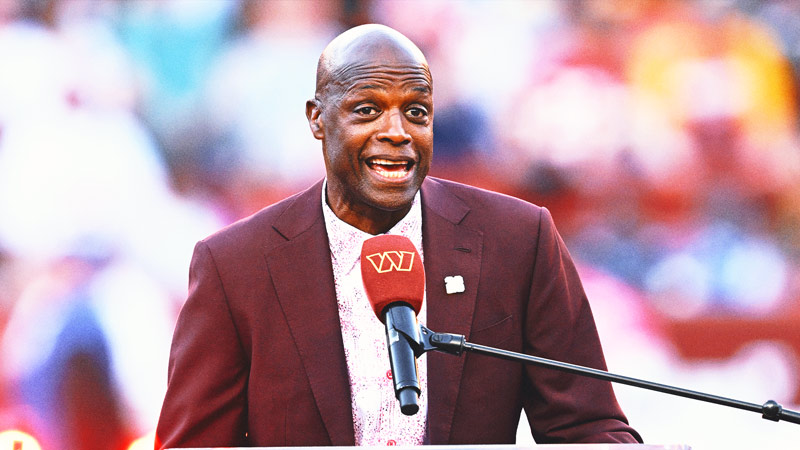
NFL Hall of Famer and Washington Commanders legend Darrell Green, 66, is trying out for the USA Flag Football Team. This piece looks at his unexpected return to competitive play, his legacy, what the tryout means for the sport, and why it matters beyond a single roster spot.
At 66, Green stepping into a tryout turns heads because his NFL career set a very high bar. He built a reputation on speed, instincts, and longevity, and those traits framed his Hall of Fame entry long ago. Watching him test the waters now feels like a bridge between old-school pro football and the fast-growing world of flag football.
Flag football is different from tackle football, but it still rewards quickness, field awareness, and crisp technique. Those are exactly the qualities Green showcased during his 20-year NFL run. For a sport trying to expand its audience and credibility, his name brings instant attention.
Practically speaking, a tryout at this level asks whether skill and experience can offset the natural physical decline that comes with age. Green has a track record of taking care of his body, which fuels skepticism and optimism at the same time. Coaches and fans will be watching how well he moves, how fast he changes direction, and how smart he is in game-like situations.
Public reaction blends admiration with curiosity, and social feeds reacted fast when news broke. Many see it as a bold promotional moment for flag football and a welcome reminder that athletic careers can take new shapes. Others wonder whether this is mainly a media story or a legitimate bid to make a national team roster.
Green’s presence at a tryout also tests assumptions about age and competitiveness in a sport that aims to be inclusive. Younger players bring explosive athleticism, while veterans deliver discipline and situational savvy. That mix could create interesting roster decisions and tactical shifts for team builders trying to balance speed and smarts.
Beyond the roster battle, there’s a narrative about legacy and intent. Green has long been associated with community work and youth sports, and a high-profile tryout feeds those ongoing efforts. If nothing else, his attempt can spotlight opportunities for older athletes who want to stay active and competitive in new formats.
Logistically, USA flag football tryouts focus on speed tests, route running, catching, and defensive agility, all areas where experience helps. Even so, the format rewards short sprint speed and quick hand-eye coordination, so raw athleticism remains important. Evaluators will weigh production in drills against what a player can realistically contribute in tournament play.
There’s commercial fuel in this story too, since flag football is courting Olympic attention and broader broadcasts. Having a recognizable name attached to the movement gives promoters a clear headline and sells curiosity. That attention can be good for growth, though it also raises pressure on selections to avoid appearing cosmetic or gimmicky.
Practically, fans and critics will get answers over the next few weeks as tryouts unfold and selections are announced. If Green earns a spot, it will rewrite expectations about late-career competitiveness and the crossover between football disciplines. If he doesn’t, the effort still underscores his competitive spirit and the appeal of flag football as a place for reinvention.
Either way, the moment is worth watching for anyone who cares about football’s future and the ways veteran athletes can stay involved. It’s a sharp reminder that sports evolve and that recognizable figures can accelerate that change simply by showing up. The coming roster decisions will tell us a lot about how the sport values experience versus youthful explosiveness.
