
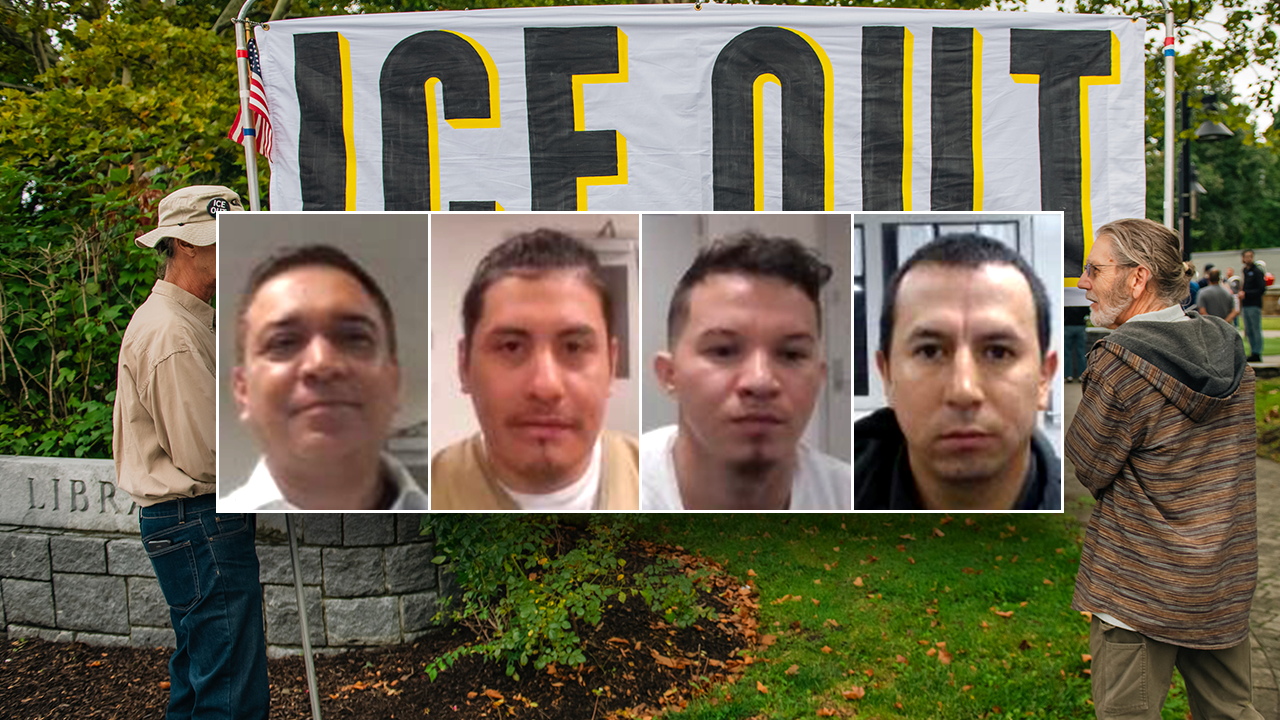
Danbury, Connecticut has landed in a heated fight over a city policy that opened the door for noncitizen legal immigrants and DACA recipients to apply for police jobs. The move drew sharp criticism from federal officials and sparked a loud local debate about public safety, immigration enforcement, and who should wear a badge.
Supporters of the decision say it sends a welcoming signal to immigrant families and reflects the reality of a community built by people from many backgrounds. Critics see something very different, arguing that the city is normalizing a reckless approach at the exact moment law enforcement is under pressure to keep dangerous people off the streets.
The City Council approved the change in an 18-2 vote, and the timing immediately became part of the fight. One council member, Democrat Joe Britton, said the decision was timely in light of recent ICE operations and argued that it tells the immigrant community they belong in Danbury.
That message did not sit well with the Department of Homeland Security, which accused the city of blurring the line between public service and soft-pedaling illegal immigration. A DHS spokesperson said the council should be backing law enforcement instead of taking shots at it, and made the case that an oath of office is about enforcing the law, not encouraging people to ignore it.
The clash grew louder after August ICE operations in Connecticut led to more than 65 arrests, according to federal authorities. Local anger followed, especially among people who viewed the raids as heavy-handed, while DHS said the arrests involved people with serious criminal histories, including assault, sexual assault, false imprisonment, and molestation of a minor.
Among those named by DHS was Eddy Ruano of Guatemala, who was said to have been convicted of molestation of a minor. Another Guatemalan national, Ericko Valenuela-Chua, was described as having convictions tied to sex assault, carnal abuse, and assault, while officials said Elvin Caceres-Martinez and Frank Guaman were also arrested with violent or sexual offense records.
For critics of the city council vote, those details are the heart of the matter. They argue that law enforcement needs clarity and backbone, not policy choices that can be read as sympathy for people who broke the law and then stacked up more serious offenses.
Britton pushed back hard on that framing, saying DHS twisted his comments and that he had no objection to violent criminals being arrested. He said the real problem is fear-driven enforcement that makes entire neighborhoods feel targeted, especially when families worry about routine life turning into a confrontation with immigration agents.
That complaint has become a familiar refrain in cities where ICE activity has stirred protests and political blowback. Britton argued that Danbury is safer when residents trust local government and police, and he warned that residents should not be made to feel like everyday activities, such as work, school, or church, could suddenly lead to detention.
The DHS response was just as blunt, with officials saying the backlash against ICE is fueling a hostile atmosphere for officers already taking serious risks. The agency also pointed to a sharp rise in assaults against federal agents, saying the rhetoric aimed at them only makes an already dangerous job more volatile.
Danbury Mayor Roberto Alves was also asked for comment as the city kept absorbing the fallout. Meanwhile, protesters and local officials continued to clash over whether the real issue is safety from crime or safety from overreach, and that divide has kept the whole debate raw, personal, and far from settled.
