
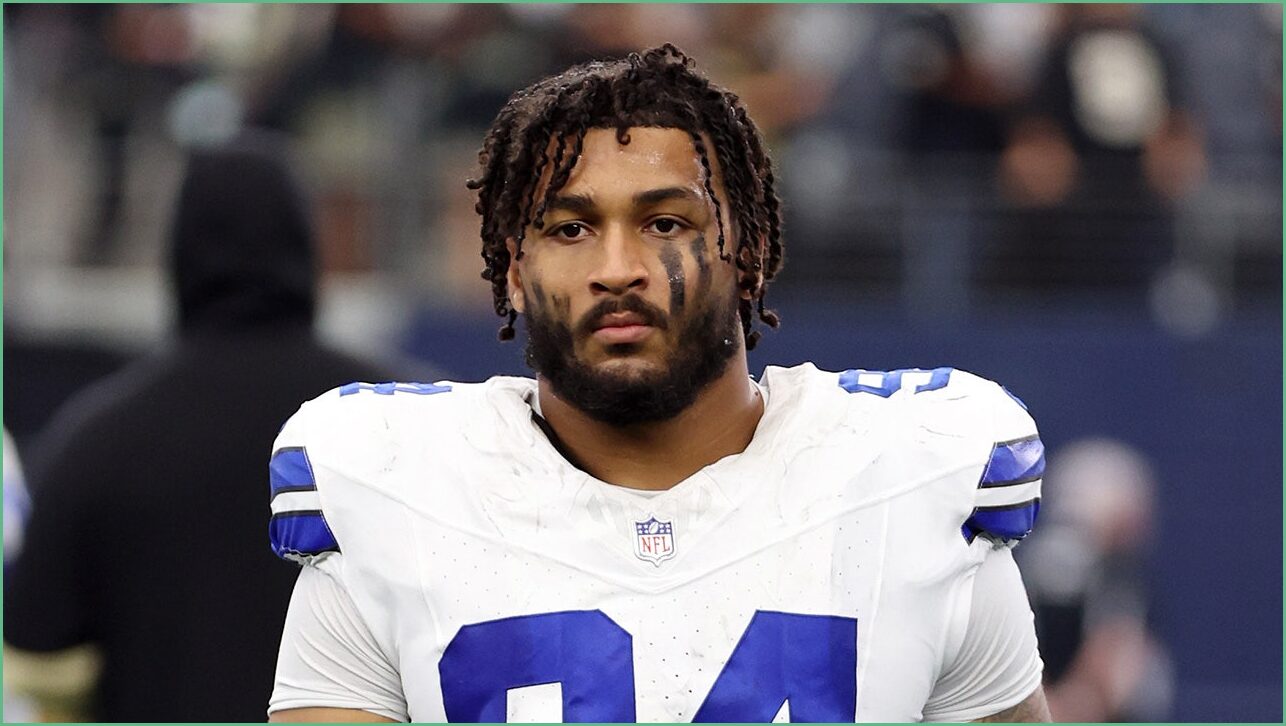
Dak Prescott expressed deep sorrow after the death of teammate Marshawn Kneeland, saying he’s carrying a “heavy, heavy heart” for everyone who loved him. The team and wider football community are grappling with loss while trying to support one another and respect privacy. This piece looks at how players, coaches and fans respond when the locker room loses one of its own.
Grief in sports lands differently than in everyday life because teammates see each other day in and day out. When someone close to the team dies, routines fracture and the familiar rhythms of practice and meetings suddenly feel raw. Players often have to balance personal mourning with public expectations and game-day responsibilities.
Leadership in that moment matters, and voices like Prescott’s shape how the squad processes the news. His message made it clear that the human side of football comes first, and acknowledgment from a team leader helps create space for honest emotion. That kind of openness can trickle through a locker room and encourage others to share how they’re doing.
Coaches and staff also face tough choices about continuity and compassion, deciding how to adjust schedules and offer support. Teams typically bring in counselors and chaplains, provide time off, and tailor practice plans to give players breathing room. Those steps don’t erase grief, but they show a commitment to player well-being.
Fans respond too, often flooding social feeds with messages of condolence and memories. While the outpouring can be a comfort, it can also create pressure on mourning families and teammates to engage publicly before they’re ready. Balancing public interest with private loss is a delicate, ongoing negotiation.
Memorials and tributes become focal points for collective mourning, whether informal gatherings or moments of silence at games. These acts give fans and teammates a place to channel sorrow and honor a life beyond the stats and highlights. They also remind everyone that athletes are people first, with families and friends who feel the absence deeply.
The media plays a role in shaping the narrative, and responsible coverage matters when a family has just lost someone. Sensitivity around details and timing respects the grieving process and avoids unnecessary intrusion. Reporters and outlets that step back and provide space do a public service.
A team’s response off the field can affect how it performs on it, at least in the short term, because emotions change focus and energy. Some groups find renewed purpose in honoring a teammate, while others need time to regroup before competitive intensity returns. Coaches try to read the room and manage expectations accordingly, aiming to support mental health without ignoring season goals.
Teammates often draw strength from rituals and shared history, leaning on inside jokes, locker-room routines, and collective memories to hold the team together. Those small rituals can anchor a group when everything else feels uncertain. They also help teammates remember a person as they were, not just as a headline.
Organizations increasingly recognize the importance of mental health resources for athletes confronting loss and trauma. Access to counseling, peer support programs, and mental health days are all part of a modern approach to player care. Such resources help individuals process grief and return to daily life at their own pace.
Community response extends beyond the stadium, with local organizations and supporters often stepping up to assist families. Practical help — meals, transportation or legal support — can be as meaningful as public tributes. Those contributions underscore that a player’s impact often reaches far beyond their on-field role.
In times like this, requests for privacy from families and teammates should carry weight, even as the public seeks answers and closure. Respecting boundaries lets loved ones grieve on their own terms without the glare of constant media attention. It also models empathy for a culture that sometimes forgets how fragile people can be.
Ultimately, the loss of Marshawn Kneeland is felt across a network of friends, teammates and fans who share in mourning and remembrance. Voices like Dak Prescott’s help articulate the pain and encourage mutual support during a difficult stretch. The emphasis now is on honoring that life with dignity and care while allowing space for healing to begin.
