
- Why Daikin mini-splits are popular in older homes
- Coil leaks and the trouble they can cause
- Streamer unit buildup and warning lights
- Unexpected shutoffs and what often triggers them
- When simple checks end and professional help begins
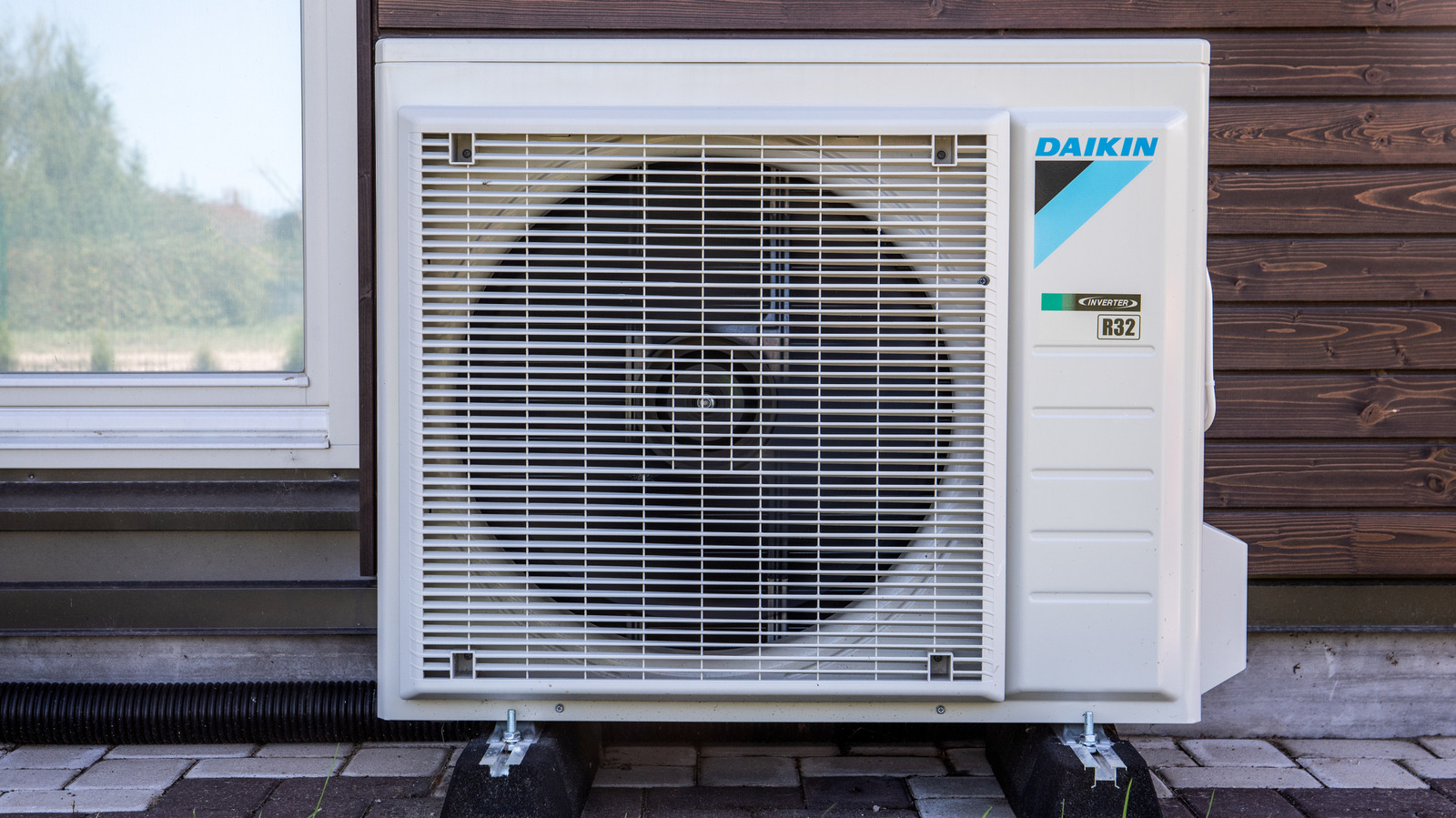
Older homes can be beautiful, sturdy, and full of character, but they are rarely friendly to traditional central air. That is where ductless mini-split systems come in, giving homeowners a way to cool and heat specific rooms without tearing into walls for ductwork. Daikin has become a familiar name in this space, but like any HVAC setup, it has a few trouble spots that can catch owners off guard.
One of the most frustrating issues involves indoor coil leaks. Reports have pointed to evaporator coil failures that show up far earlier than most people would expect, sometimes after only a few years of use, and the result can be water on the floor or refrigerant loss inside the system.
These leaks often trace back to the U-bends in the coil, which can be a headache even after a replacement. Warranty coverage may help with the part itself, but labor and recharge costs can still leave homeowners paying more than they planned. If water starts dripping from an indoor unit, the first move is to check whether the unit is level and whether the drain line is clogged, since either problem can create a mess that looks worse than it is.
A dirty air filter can also stir up trouble by freezing the coil and then turning into a leak when the ice melts. That is why a leak should not always be treated as a major breakdown right away. Sometimes the fix is simple, but repeated coil failures are a different story and can point to a deeper system issue.
Another common annoyance is build-up in the streamer unit. Daikin systems use indicator lights and error codes to flag problems, and an orange light on an indoor unit often means the air-purifying streamer needs attention.
This part can collect dust and other debris over time, which makes the system complain until it gets cleaned. The good news is that the fix is usually straightforward: remove the unit, clean it carefully, let it dry fully, and then reset the indicator if needed.
That said, the process still trips people up because the signal is easy to miss or misread. An error light is not always a sign of a major failure, but ignoring it can let a small maintenance task snowball into a bigger comfort problem. In a system that is supposed to make life easier, a glowing orange warning can be a rude little reminder that even sleek HVAC gear needs hands-on care.
The third headache is when the unit shuts off unexpectedly. Nothing tests patience quite like an air conditioner quitting during a brutal stretch of heat, especially when everything seemed fine a few minutes earlier.
Before assuming the worst, it helps to check the basics. A dirty filter, a clogged drain line, or standing water can cause the system to protect itself by shutting down, and a tripped breaker can stop it cold as well.
Daikin units also use error codes to point owners in the right direction, although the meaning is not always obvious without the manual. In some cases, the panel may flash a code that points to a control board issue or another internal fault, which means a simple reset might help or it might not. When the unit keeps cycling off and none of the obvious fixes solve it, a licensed technician is the safest next step, especially if the problem could involve wiring or another internal electrical issue.
Mini-splits can be a smart answer for homes that were never built with modern ductwork in mind, and Daikin systems are popular for good reason. Still, leaks, warning lights, and surprise shutdowns are reminders that even efficient equipment can get picky. The upside is that many of the early clues are right there in front of the homeowner, waiting to be noticed before a small glitch turns into a bigger repair bill.
