
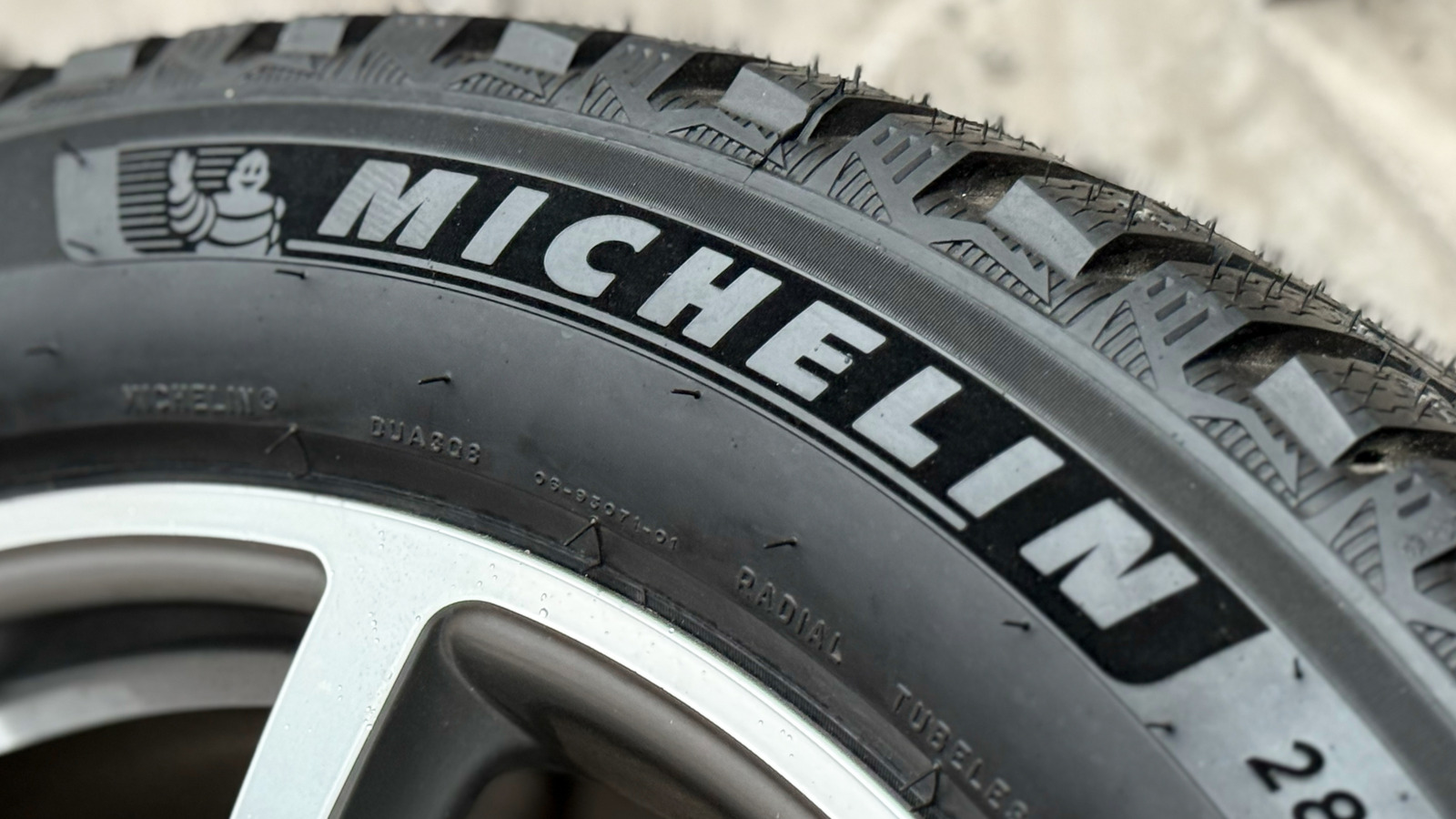
Consumer Reports’ top-rated tires don’t always match what drivers love, and that gap tells you more about testing methods, driver priorities, and the messy reality of daily driving than it does about tire quality alone. This piece looks at why expert scores and owner satisfaction diverge, what factors shift everyday impressions, and how shoppers can use both lab data and real-world feedback to make smarter tire choices.
Lab testing gives a clear, controlled snapshot of a tire’s strengths and weaknesses, but real roads introduce so many variables that results can splinter. Tests weight things like wet braking, dry grip, and treadwear in controlled conditions, which helps rank models on consistent criteria. Still, the way a tire behaves on a short, groomed track doesn’t always match what someone feels commuting through potholes or navigating slushy suburban streets.
Driver expectations complicate the picture. Some buyers prioritize a whisper-quiet ride and cushy handling, while others care only about mileage and price per mile. If a tire shines in mileage tests but thumps over expansion joints, a buyer who values comfort will flag it as disappointing despite high expert marks. Personal fitment choices — wheel size, tire width, and even inflation habits — can flip a lab win into a daily annoyance.
Local conditions are another big reason for mismatch. A tire engineered for warm, dry performance will look great in Consumer Reports’ summer drills but stumble in cold, icy weather. Conversely, an all-season that performs reliably across temperatures might never top any single test yet becomes a favorite among owners who face mixed weather. Geographic realities mean a single rating rarely tells the whole story for every driver.
Installation and maintenance play a quiet but powerful role in satisfaction reports. Poor mounting, misaligned suspension, or neglecting rotations and pressure checks change how a tire wears and feels. Owners often assume a product failed them, when the real culprit is a service issue or mismatched vehicle setup. That gap between purchase and performance is a common source of frustration that doesn’t show up in lab scores.
Tire noise and ride comfort are subjective and magnetic in reviews for good reason. Small design choices that barely nudge braking or cornering numbers can dramatically alter how smooth or loud a tire feels. Consumer Reports measures noise levels, but human perception filters sound through expectations, vehicle insulation, and even highway speed. Those emotional reactions show up strongly in owner surveys and can override a long list of technical positives.
Durability and longevity are areas where objective data and owner feedback can align and clash at once. Treadwear estimates and mileage warranties provide a baseline, yet real-world wear depends on driving style, road surfaces, and maintenance. Two people on the same tire model can report very different lifespans simply because one accelerates hard and the other commutes gently, which skews satisfaction scores even for well-rated options.
Reading both expert reports and owner reviews gives the clearest picture. Use lab results to compare braking, hydroplaning resistance, and expected wear under consistent conditions. Then layer on owner feedback to understand noise, comfort, and how the tire behaves in the specific climates and roads you drive. That two-step approach reduces surprises and helps match a tire to the real-world demands it will face.
Shopping tips that actually help: pick tires tested in conditions similar to yours, prioritize the handful of performance traits you actually care about, and check whether a model has many owner reports from drivers who use their cars the same way you do. Also, insist on professional mounting and a vehicle alignment to avoid service-related disappointments. Treat lab scores as a starting point, not a promise.
Tires are an engineering compromise, not a magic bullet, which explains why top-rated models don’t always dominate owner sentiment. Expert labs sort models by measurable performance; drivers grade them by daily comfort, noise, and longevity in less predictable settings. Understanding that split is the best way to choose tires that make you happy on the road, not just in a test report.
