
This short piece explores doubt, pride, and the simple power of humility in faith. It leans into a classic challenge: believing without seeing and the ways pride gets in the way. The tone is direct and conversational, inviting readers to rethink how doubt and humility interact. The article keeps to clear examples and a straightforward moral point.
“Pride: for faith has no other obstacle than this. If man were humble, he would have faith enough to move mountains.” That line sits at the heart of what follows. It names pride as the active barrier to trust, not circumstance or proof. The sentence is blunt and meant to prod rather than comfort.
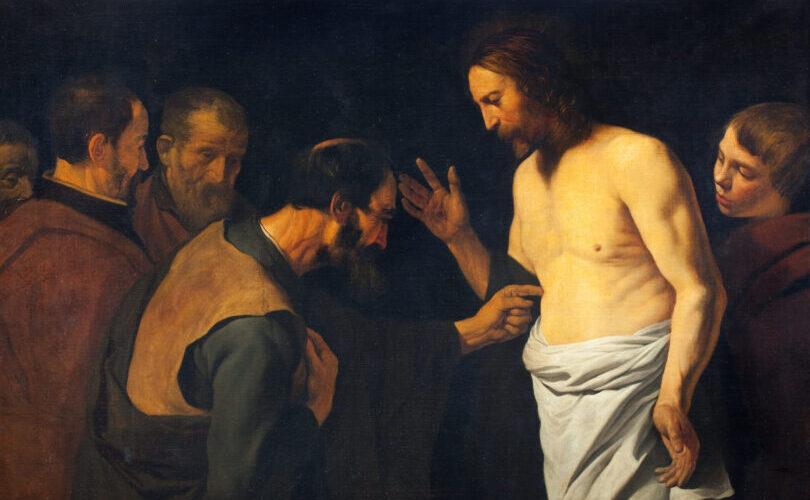
Doubt is not a failing to be shamed away. It is a question that can either harden into cynicism or open into honest searching. Thomas is often remembered for the phrase doubt, but his story can also be read as an invitation to a deeper, tested trust.
Humility does not mean meekness or self-abasement. It means recognizing limits, admitting we do not control everything, and being open to a reality larger than our certainty. That posture flips the script on pride, which pretends control and refuses surprise.
Faith that moves mountains is not a magical formula for wish fulfillment. It is the kind of steady trust that shows up under pressure and keeps acting despite fear. When pride fades, decision and action follow more easily because the self is not putting up roadblocks.
There is a practical side to this spiritual idea. People who insist on being right all the time close off the possibility of learning and of being changed. Humility, by contrast, admits there is room for growth and leaves space for miracles, whether small or large.
Belief without seeing is not blindness. It is an attention to evidence that is not only empirical. Relationships, history, testimony, and moral experience all count in a life that seeks truth. Those who demand proof for every step risk missing what is already present in plain sight.
Community matters in cultivating humility. When people confess their limits and listen, faith can be sharpened rather than weakened. Pride isolates and makes faith brittle, while humble fellowship makes it resilient and practical.
Real change begins in the small decisions where pride is tested. It shows up in conversations, in owning mistakes, and in choosing service over status. Each humble act chips away at the fortress pride builds and makes genuine trust easier.
In the end, the challenge is simple and unsettling. Either we let pride take the lead, or we let humility open the way to trust. The path is not always comfortable, but it is clear: humility widens the heart and patience allows faith to grow into steady action.
