
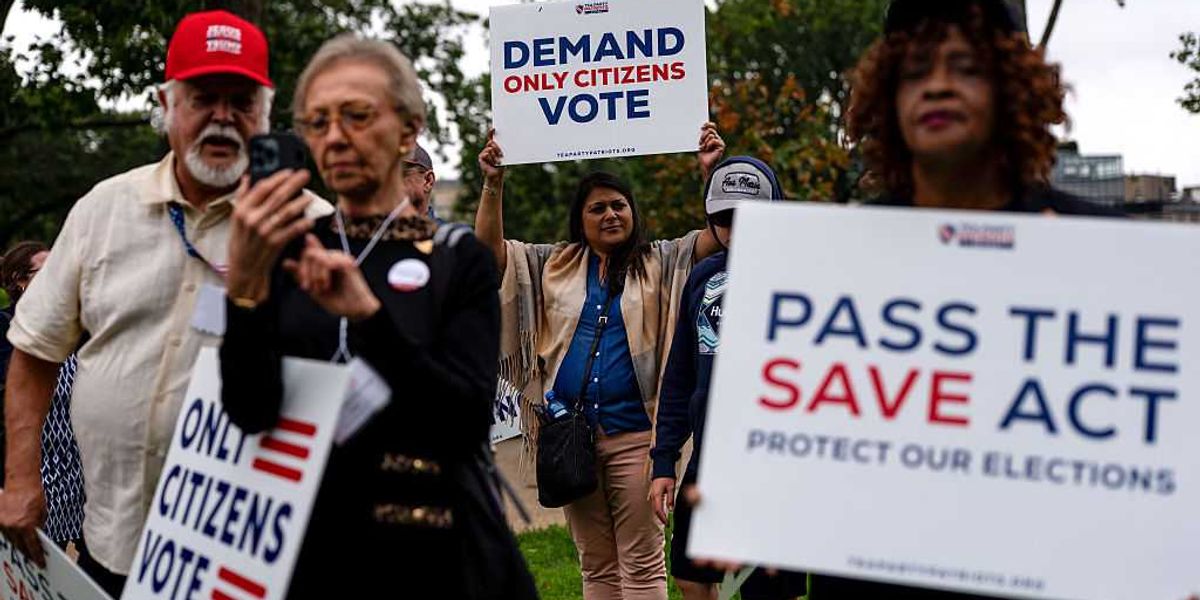
Latino voters are sending a message that should be hard to ignore: they want elections that are clean, secure, and fair. The SAVE Act has landed right in the middle of that conversation, and the push for stronger voter verification is drawing support from people who believe legal immigration and the rule of law should go hand in hand. That matters because this debate is no longer just about politics, it is about trust, belonging, and whether the system rewards citizens who play by the rules.
For a lot of Latino Americans, the issue cuts deep. Many have family stories shaped by paperwork, patience, and the long road to legal status, so the idea of protecting the integrity of the ballot box does not feel abstract at all. It feels personal. If you worked hard to become a citizen, paid your dues, and respected the process, the last thing you want is a system that looks sloppy or open to abuse.
The SAVE Act has become a symbol of that frustration. Supporters say it would help ensure only eligible voters are on the rolls by requiring stronger proof of citizenship, which they see as a basic safeguard rather than a partisan stunt. To them, the logic is simple: a fair election depends on clear rules, and clear rules only work when they are enforced.
That message is especially resonant in communities that value the American dream in a practical, no-nonsense way. People who came here legally, or whose parents did, often understand better than anyone that citizenship should mean something real. They are not asking for a special favor. They are asking for the country to protect the value of the very status they fought to earn.
Pew Research Center polling has helped put some shape around that sentiment, showing that Latino voters are not a monolith and that views on immigration and election integrity can be more nuanced than the political class likes to admit. Some voters want stronger border security, some want a better legal immigration system, and many want both. The common thread is that they expect government to take rules seriously, not treat them like optional advice.
That is where the SAVE Act keeps getting traction. The argument behind it is not rooted in fear. It is rooted in confidence that a healthy democracy can handle verification without drama, and that citizens should welcome safeguards if those safeguards make elections more credible. When people believe their vote matters, they are more likely to trust the outcome, even if their side loses.
Critics often try to turn this into a fight about access, but that misses the point many Latino voters are making. The debate is not about shutting anyone out for the sake of it. It is about making sure the door is open to the right people, with the right credentials, so everyone can feel the process is legitimate from start to finish.
There is also a cultural piece here that keeps getting overlooked. Latino communities are often built around sacrifice, family obligation, and respect for institutions that actually work. When election rules look loose or inconsistent, that does not feel inclusive. It feels careless, and careless government is exactly what drives people to want stronger protections.
Congress is going to keep hearing about this as the 2028 election cycle gets closer. The pressure is not just coming from activists or pundits either. It is coming from ordinary voters who see the American dream as something worth defending, not something to be diluted by weak enforcement and vague standards.
What makes this debate so interesting is that it flips a familiar script. Latino voters are not waiting around for someone else to define what fair elections should look like. They are stepping up and saying that legal immigrants and citizens deserve a system that respects their effort, their status, and their vote. That kind of clarity tends to stick, especially when people are tired of being told that common sense somehow does not count.
