
“`html
Fentanyl is tearing through American communities with brutal speed, and the damage is measured in empty chairs, shattered families, and lives cut short far too early. The crisis keeps showing up in the same places, from county courts to emergency rooms, and the scale of it has become impossible to shrug off.
For prosecutors, the pain is not abstract. It shows up in the faces of parents who have buried a child, in cases tied to counterfeit pills, and in the endless stream of traffickers who keep feeding the market. The drug is now the leading cause of death for Americans ages 18 to 45, and even tiny amounts can be fatal.
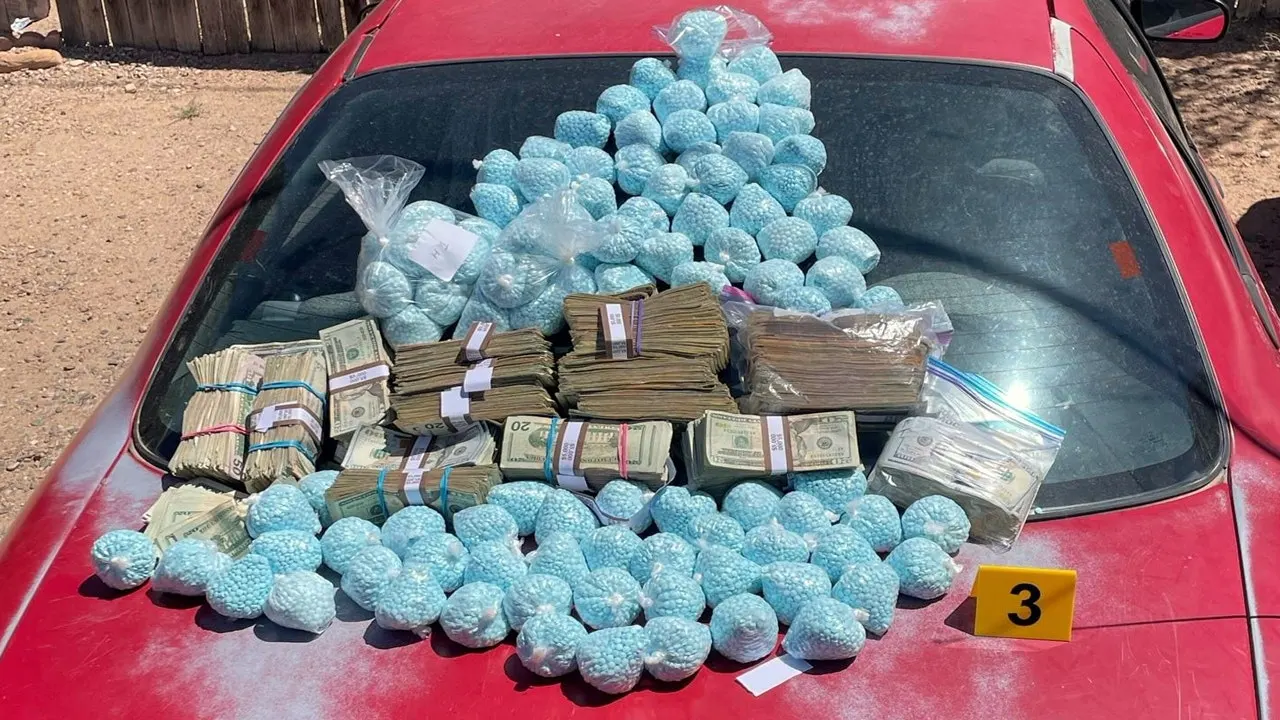
The danger is not limited to powder on a street corner. Fentanyl is turning up in fake prescription pills, mixed into other drugs, and hidden in places that look harmless at first glance. That kind of spread makes it harder to avoid and easier for dealers to profit, which only deepens the crisis.
Border security has become part of the conversation because less fentanyl flowing in means fewer doses reaching the streets. Stronger enforcement has already helped reduce the deadliness of what is being sold, with fewer lethal pills and weaker powder making their way into circulation. Those shifts matter because every drop in purity can mean fewer funerals.
Still, enforcement alone is not enough if the law gives traffickers too much room to gamble. Federal mandatory minimums for fentanyl remain out of step with the damage the drug causes, especially when compared with penalties for other narcotics. A dealer can move a quantity that could kill thousands and still not face the kind of sentence that matches the threat.
That gap has real consequences in courtrooms. Prosecutors often have to choose the most effective charge available, and when fentanyl penalties lag behind, the system sends the wrong signal to the people making a business out of poison. The message should be simple: trafficking a mass-casualty drug should bring serious prison time.
State laws offer a hard lesson. North Carolina and Alabama use tighter thresholds and tougher minimums, and both have seen overdose deaths begin to fall. West Virginia, where fentanyl penalties kick in at very small amounts, has also reported a meaningful drop in deaths over the past year.
Those results matter because they show this is not some impossible mystery. When the punishment fits the crime, the street economy changes, and some of the pressure comes off families who are losing too many people too fast. The numbers do not fix everything, but they do prove that policy can either help or hurt.
Congress has been urged to close the gap at the federal level, with lawmakers proposing lower fentanyl thresholds for mandatory minimums. The idea has not gained much traction, even as the body count keeps climbing and the drug keeps spreading into corners of daily life where nobody expects it.
That lack of urgency is hard to square with the reality on the ground. More than 38,000 Americans died from fentanyl in 2025, a staggering toll that keeps growing while too many leaders move like time is on their side. The crisis is already here, and the law is still playing catch-up.
“`
