
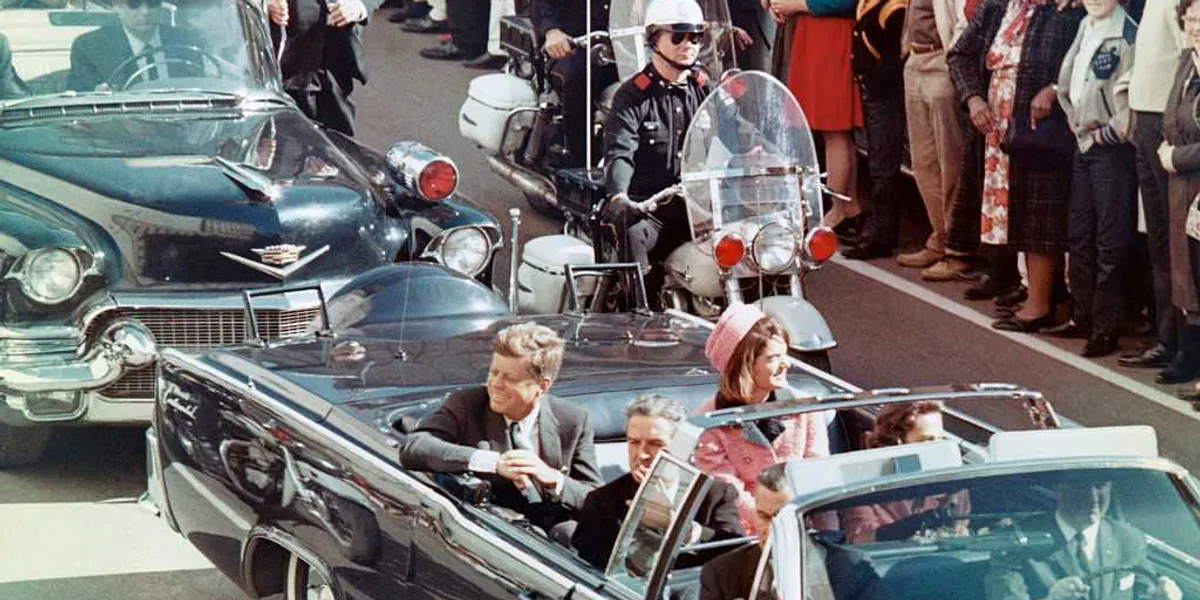
The JFK file fight has a familiar smell to it: big promises, stubborn secrecy, and a Congress that keeps bumping into the same wall. The latest move around the assassination records shows how much heat still surrounds the case, especially when lawmakers start asking why the government keeps so much locked away decades later.
For all the talk about transparency, the public keeps getting a fragmented picture. That leaves plenty of room for suspicion, and it fuels the sense that the country is still being managed through selective disclosure instead of plain answers.
The issue is bigger than old headlines and dusty archives. It touches trust in federal institutions, the power of congressional oversight, and the broader question of whether Americans ever get the full story on the most sensitive moments in modern history.
One reason this keeps coming back is simple: JFK is not just history, it is unfinished business. Every time Congress revisits the records, expectations rise, and every time the process stalls or gets watered down, frustration comes roaring back. That is especially true when people believe the government has had decades to clean house and still has not done it.
The secrecy also keeps feeding a deeper narrative about what else may be hiding in plain sight. Once lawmakers start talking about assassination files, attention naturally spreads to other buried programs, from intelligence operations to old Cold War experiments. The public does not need every detail to know the pattern feels familiar.
That is why names and themes tied to the broader intelligence world keep surfacing whenever JFK comes up. The conversation is never just about one event in Dallas. It quickly opens the door to federal power, covert operations, and the long shadow cast by agencies that are often asked to explain themselves only after the fact.
For Republicans pushing transparency, the politics are not complicated. If the government has nothing to hide, then the records should be opened. If there are genuine national security concerns, those need to be explained clearly instead of being used as a permanent shield against embarrassment.
Democrats often sound more cautious in these fights, leaning on process, review, and institutional deference. That approach may sound responsible in Washington, but to a lot of Americans it just feels like another way to kick the can down the road. When the public has waited this long, more delay does not land as prudence.
The pressure on oversight committees matters because Congress still has the power to force daylight into dark corners. That is especially true when lawmakers decide they are done accepting vague briefings and polished half-truths. The moment elected officials stop acting like spectators, agencies have to start answering hard questions.
There is also a reason this topic never loses its edge. JFK sits at the intersection of grief, memory, and distrust, and that combination does not fade with time. Every new round of secrecy feels like a fresh insult, not just to history buffs, but to anyone who thinks government should serve the public instead of shielding itself.
The longer the records stay tangled in red tape, the more the story feeds on its own lack of closure. People do not need wild theories handed to them when the official response keeps looking incomplete. Silence has a way of making even the plainest questions sound explosive.
That is what keeps this file alive year after year. It is not nostalgia, and it is not just partisan theater. It is the stubborn reality that when government refuses to open the books, Americans start wondering what else has been sealed away, and that question does not go quiet just because Washington wishes it would.

2 Comments
Declassify All on JFK etc files alone NOW
Make all public
The DOJ will never allow the evidence of their assassinations of public figures to be made public