
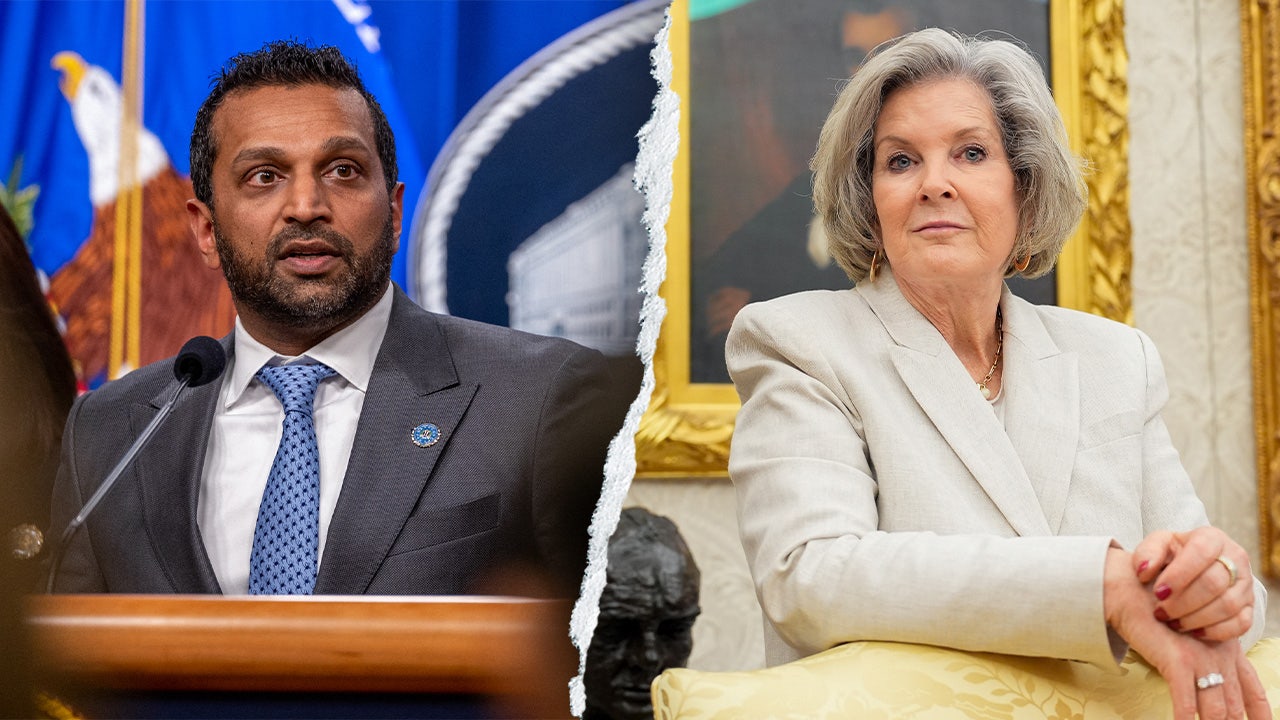
This piece takes a hard look at how Special Counsel Jack Smith handled surveillance and subpoenas during his investigation, especially the secret orders that swept up Trump allies and lawmakers. It highlights disturbing revelations about the targeting of private citizens Kash Patel and Susie Wiles, and it questions the judgment and oversight that allowed those orders to go out. The focus is on accountability, constitutional concerns, and why the public deserves clear answers.
Jack Smith’s methods have long raised eyebrows. He has operated under the old Oscar Wilde line that “the only way to get rid of a temptation is to yield to it.” That tendency matters because the job of a special counsel is supposed to be measured and above politics.
Over the last months the public learned of secret orders tapping phones and seizing records belonging to members of Congress and Trump allies. Among the newly exposed targets were Kash Patel and Susie Wiles from 2022 and 2023, when they were private citizens. That revelation changes the stakes and raises real constitutional questions.
Smith’s reputation for aggressive legal maneuvers preceded his appointment. He lost unanimously at the Supreme Court in the case tied to Robert McDonnell and has seen other high-profile cases collapse. Those outcomes show a pattern where forceful tactics do not always translate into courtroom success.
Some of Smith’s demands appear to have prioritized secrecy over transparency. He reportedly instructed carriers not to inform members of Congress that their calls were being seized, which blocked any chance for those lawmakers to challenge the actions. That kind of secrecy risks swallowing up core protections for sources and for attorney-client communications.
Reuters reported that “In 2023, the FBI recorded a phone call between Wiles and her attorney, according to two FBI officials. Wiles’ attorney was aware that the call was being recorded and consented to it, but Susie Wiles was not.” Recording an attorney-client exchange without the client’s knowledge is a grave breach of trust and privilege. If true, it is a breathtaking invasion of protected communications.
These orders fit a pattern critics describe as a fishing expedition. Smith appears to have compiled lists of well-known allies of President Trump and pursued sweeping demands with limited apparent legal basis. Targeting a “who’s who” of top political opponents looks, at best, like overreach and at worst like partisan prosecution.
There have been personnel consequences within the FBI, with reports of firings tied to how these orders were executed. Agents often follow orders, and any disciplinary action should protect due process for those employees. The public deserves to know whether agents were punished for carrying out directives from above or for willful misconduct.
Smith’s timing and handling of disclosures have also fed concerns about political impact. He struggled to release damaging information and to schedule legal steps at moments that intensified election-related scrutiny. Those missteps only deepened the perception that his actions could sway political outcomes rather than serve neutral justice.
Beyond Smith himself, accountability runs up the chain of command. Former Attorney General Merrick Garland had oversight responsibility and failed to prevent or correct clearly troubling tactics. Oversight is not optional when constitutional rights and the integrity of investigations are at stake.
The new administration and Congress must demand a full, transparent inquiry into these surveillance demands. Proper oversight should include a review of how and why targets like Patel and Wiles were swept up and whether secrecy orders were justified. The goal should be to restore confidence that legal tools are not being used as political weapons.
These files expose flaws in judgment and execution that cannot be swept under the rug. The American people deserve answers and reform so future probes respect civil liberties and the rule of law. If we allow unchecked power and secret seizures to stand, the next investigation could reach further and silence more people.
