
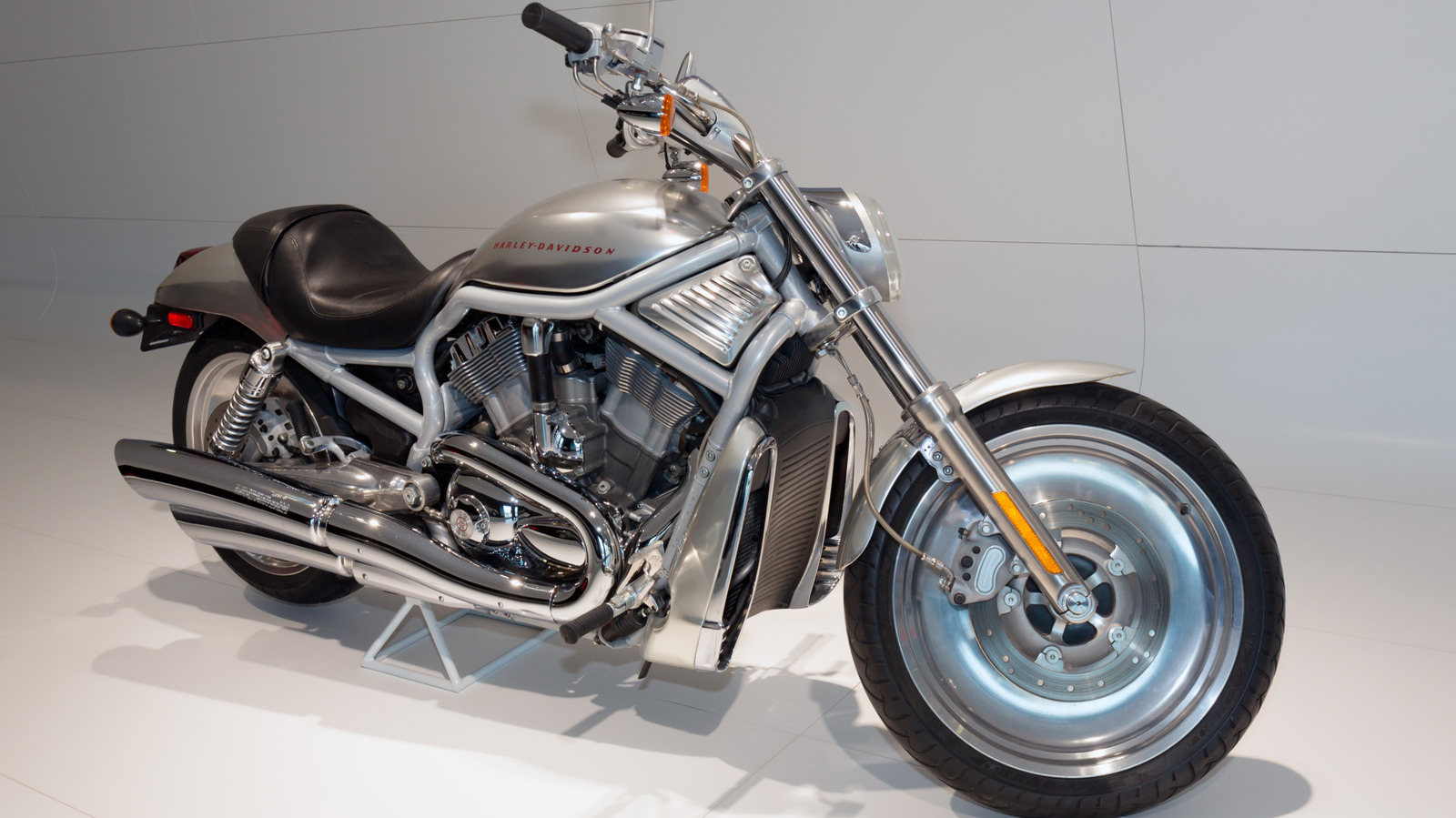
Harley-Davidson’s Evolution and Revolution engines represent two distinct chapters in the company’s engine story, each built with different goals: the Evolution for classic torque and longevity, and the Revolution for modern performance and refinement. This piece breaks down their architectures, what each engine brought to riders and bikes, and why the differences matter for anyone choosing a Harley today.
The Evolution, introduced in the early 1980s, was all about reliability and simplicity. It kept the familiar air-cooled, pushrod V-twin layout that riders expect, tuned to deliver broad low-end torque and a characterful exhaust thump. Engineers focused on proven materials and straightforward serviceability, which helped revive Harley’s reputation for durable Big Twin powerplants. In everyday riding that meant predictable power delivery and a motor that was forgiving when you piled on miles.
The Revolution engine arrived decades later with a different agenda: higher revs, smoother operation, and cleaner emissions. Designed with liquid cooling and overhead cam architecture, it departed from the traditional Harley formula to chase better thermal control and tighter tolerances. That change allowed for more continuous horsepower at higher rpm, along with quieter running and improved emissions compliance. For riders who want cruiser looks but modern performance, the Revolution offered a compromise between heritage and technology.
Mechanical layout is where the divide is clearest. The Evolution is a classic pushrod, overhead-valve V-twin with a heavy emphasis on displacement and torque. The Revolution uses dual overhead cams and four valves per cylinder in a layout that prioritizes breathing and rev range. Those differences affect not only peak numbers but how power arrives: the Evo pulls hard and early, while the Revolution breathes better as revs climb, delivering a more linear power curve at higher speeds.
Thermal management also separates the two designs. Air cooling plus oil-cooling on later Evolutions keeps the design simple and light, but it leaves temperature spikes under hard use. The Revolution’s liquid-cooling system controls cylinder-head temps more consistently, helping the engine sustain higher output without distress. That engineering choice impacts longevity under stress and also lets modern calibrations cut emissions more effectively.
Serviceability and parts culture play into ownership experience. Evolution engines are straightforward for independent shops and DIY mechanics—fewer covers, easier valve adjustments, and a massive aftermarket built up over decades. The Revolution is more complex, with tighter tolerances and systems that require specific tooling and diagnostics. Owners who prize wrench-friendly bikes often lean to the Evo, while those wanting factory-level refinement accept the tradeoffs of the Revolution.
Sound and feel are subjective but important to the Harley identity. The Evolution’s rumble and lower-frequency pulse are instantly recognizable, part of the brand’s emotional pull. The Revolution tones that down a bit with smoother harmonics and less vibration, aiming for a refined character without losing all of the V-twin flavor. Riders who want raw Harley thump will favor the Evo, while those who appreciate civility on longer highway stretches will find the Revolution more comfortable.
Both engines influenced where Harley could go as a brand. The Evolution kept the core Harleys affordable, reliable, and true to their roots, forming the backbone of a lot of Harley’s model range. The Revolution allowed the company to explore higher performance and meet tougher regulations without abandoning the V-twin silhouette. Choosing between them comes down to what you value most: classic torque and simplicity or modern cooling, higher revs, and quieter refinement.
