
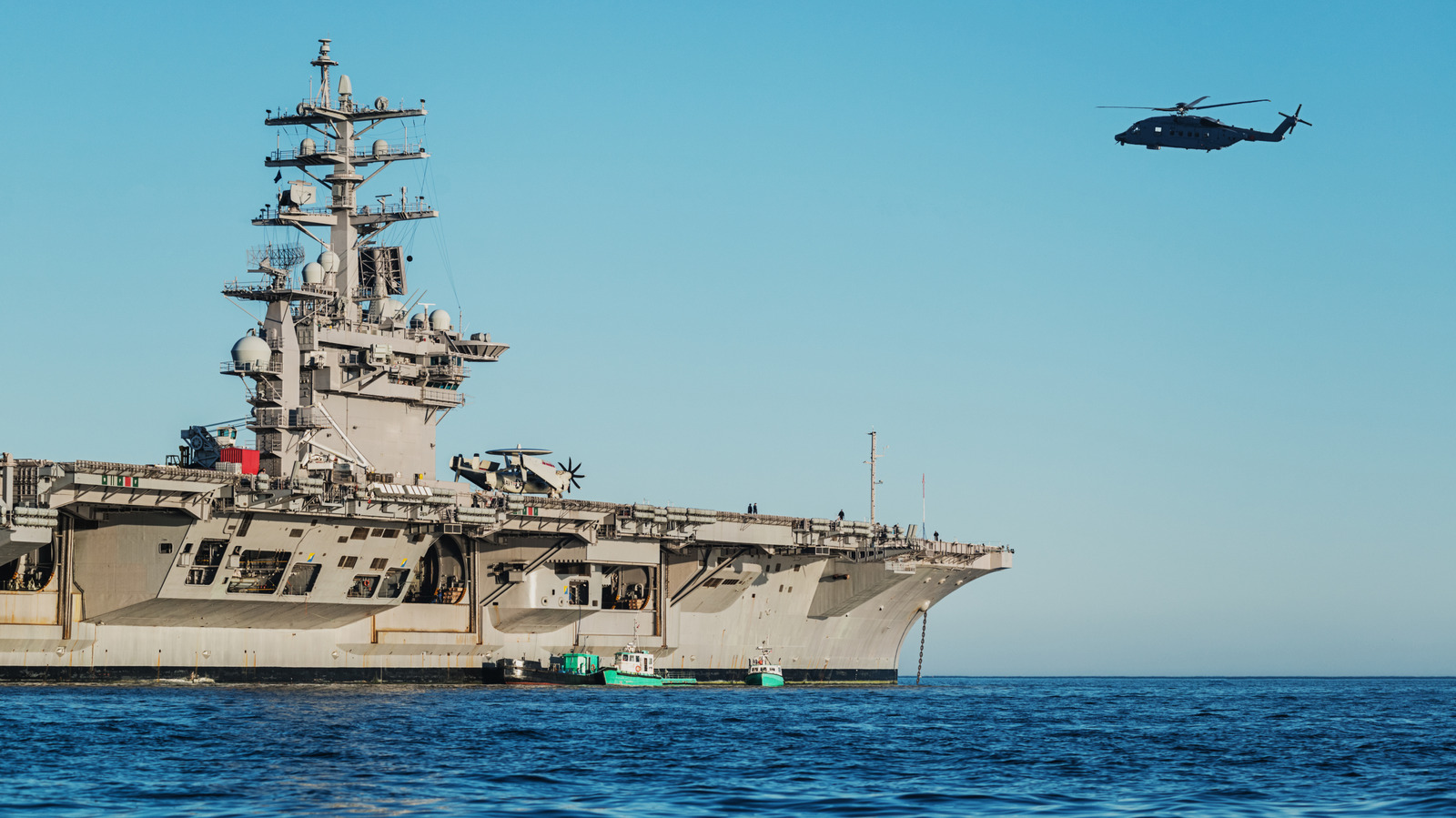
This piece explains the rules and common-sense steps boaters must follow around U.S. Navy ships, why those zones exist, and what to do if a safe transit becomes unavoidable. You’ll get clear guidance on distance limits, communication expectations, and how to avoid fines or dangerous confrontations. Read on for practical, plainspoken advice that keeps you legal and keeps everyone alive on the water.
There are established safety and security zones surrounding Navy vessels that aren’t suggestions, they’re enforceable boundaries set for good reason. Navy ships have restricted approaches to protect crew, sensitive equipment, and mission readiness, and civilian vessels are obliged to steer clear. Ignoring those lines can trigger warnings, fines, or escalation to law enforcement.
If you find yourself near a Navy ship, first slow down and assess whether you really need to be there at all, because avoidance is always the best option. Many conflicts on the water happen when operators act rashly or try to squeeze past a vessel rather than taking a wider route. Staying calm and giving the Navy ship a wide berth keeps things simple and safe for everyone involved.
When a passage cannot be avoided, there is a basic protocol to follow that centers on clear communication and predictable movement. Make radio contact on the appropriate VHF channels and listen for instructions from the vessel or local authorities. Move deliberately and maintain a steady speed and heading so your intentions are obvious to the ship’s bridge team.
Keep visual signals straightforward and conventional: navigation lights at night, daytime shapes when required, and hand signals only if radio contact fails and you are at a safe distance. Do not attempt to cross directly in front of a Navy ship or pass between one and a pier, because these are higher-risk maneuvers. Passing astern or well clear on the flank is usually safer if permitted.
Distance matters. Safety zones vary by port and mission, but the rule of thumb is to give Navy vessels far more room than you would a recreational boat. Even if a rule says a specific number of yards, err on the side of extra distance when visibility or sea state is poor. The extra space buys time and reduces the chance of accidental close encounters.
Keep your lights and sound signals in working order so you won’t be mistaken for something else, and make sure your radio is tuned and functional before entering an area where Navy ships operate. Electronic failures at the wrong moment turn small navigation issues into big headaches. A working VHF radio is a simple insurance policy on busy or restricted waterways.
If a Navy ship issues instructions, comply promptly and clearly, and avoid arguing or excessive negotiation on the radio. Escalation rarely benefits anyone and can lead to enforcement action or escorting by authorities. Document what happens afterward if you feel you were treated unfairly, but while at sea the sensible move is to follow orders and get to safety.
Know the legal consequences that can follow a breach of a security zone: fines, detention, impoundment of your vessel, or criminal charges in serious cases. These aren’t theoretical outcomes; authorities have acted in the past to protect assets and lives. Being informed about local regulations before you set out is far easier than dealing with penalties later.
Practice good seamanship, plan your route to avoid restricted areas, and if you must transit near Navy vessels make contact, signal clearly, and keep a wide margin. Simple habits like checking Notices to Mariners and local advisories cut your risk dramatically. Follow the protocol, show respect for the mission, and you’ll enjoy safer days on the water without unnecessary trouble.
