
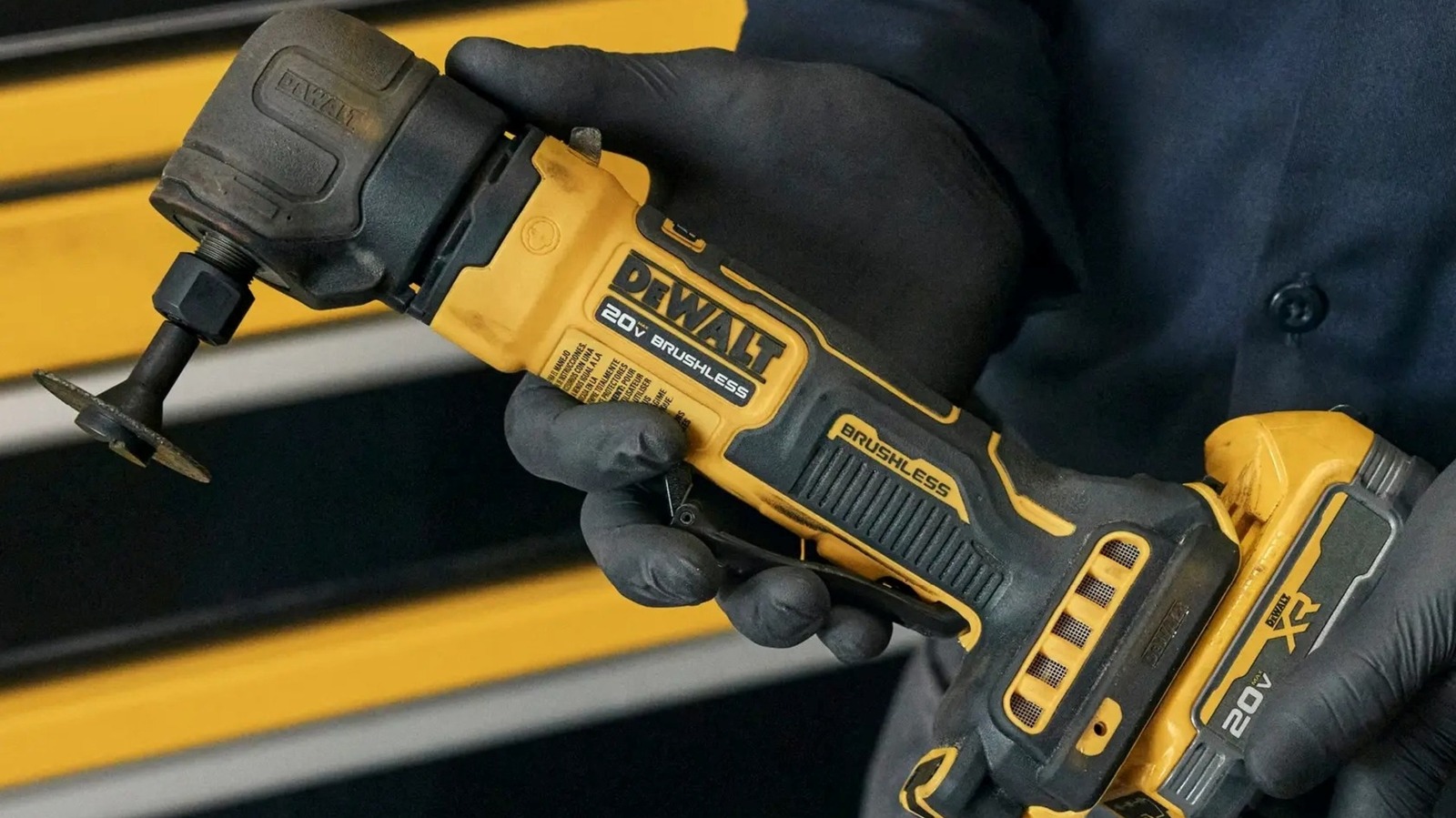
Curious whether the yellow-and-black maker sells a die grinder? This piece walks through the kinds of die grinders they offer, how pneumatic models compare to the compact 20V Max Atomic-style options, and what you can expect to pay for each route.
Yes, that familiar yellow-and-black brand does produce die grinders, and they cover different use cases rather than a single one-size-fits-all model. Over time the lineup has included traditional air-powered grinders favored in shops and more recent compact cordless tools aimed at portability. The goal is to serve both heavy-duty tradespeople and on-the-go pros who need a lightweight option.
Pneumatic die grinders remain a staple for many pros because they are simple, durable, and light in the hand. These air-powered tools are often priced on the lower end for the tool itself, with many basic units falling into an accessible range that suits busy shops. The downside is that you must factor in an air compressor and hoses, which adds upfront cost and reduces portability.
On the cordless side, the compact 20V Max Atomic-style offerings focus on convenience without completely sacrificing power. They tend to cost more than a bare pneumatic body but offer freedom from hoses and quick swaps between jobs. Expect to pay more for a cordless grinder when you include batteries and chargers, but the tradeoff is immediate mobility and compatibility with an existing battery platform.
In terms of raw numbers, pneumatic die grinders typically land on the more budget-friendly end for the tool itself, while cordless Atomic-style units push into a higher price bracket. A basic air die grinder often sits at a modest price point, but realistic budgeting needs to account for compressor investment. Cordless units commonly range higher as bare tools or kits, depending on whether a battery and charger are bundled.
Performance differences are straightforward: air tools generally deliver higher sustained power and better cooling for extended runs, whereas cordless grinders excel in convenience and setup speed. Pick pneumatic if you work in a fixed shop and need continuous high RPM without battery swaps. Choose cordless if you value mobility, quick setups, and the ability to move between sites without dragging hoses.
Accessories and maintenance also shift the value equation. Pneumatic grinders demand quality hoses, fittings, and regular lubrication, but replacement parts are typically simple and inexpensive. Cordless grinders require battery maintenance and eventual cell replacement, which raises long-term ownership cost but keeps daily setup leaner.
Who should buy which one? If your work is mostly stationary and intensive, pneumatic gear paired with a reliable compressor is often the smarter long-term investment. If your days involve service calls, tight spaces, or quick cut-and-grind jobs, the compact 20V Max-style cordless option will save time and hassle, even if it costs more upfront.
When shopping, focus on specs that matter: collet size, no-load RPM, and compatibility with your existing power platform or compressors. Check how accessories like die grinder bits and safety guards fit the tool, and calculate total cost including batteries, chargers, or an air system. That practical approach prevents surprises and helps you match tool choice to real job demands.
Bottom line, the yellow-and-black brand offers both traditional pneumatic die grinders and compact cordless alternatives, with price and practicality depending on which path you take. Match the tool to the environment and tally the add-ons before you buy so you get the performance you need without unexpected expenses on the jobsite.
