
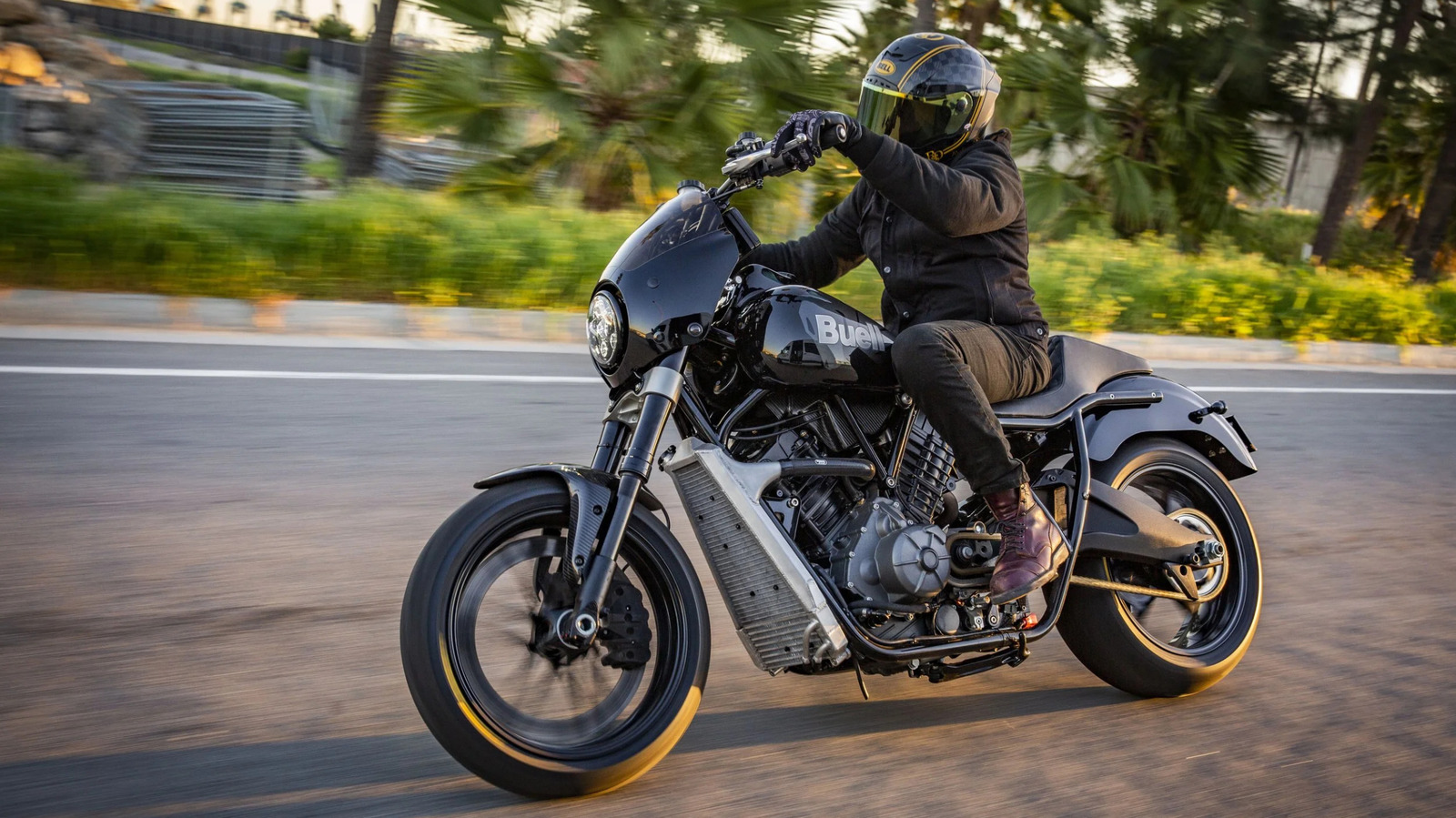
Picking an American-built motorcycle means weighing brand pedigree against fresh thinking, and this piece breaks down how to spot long-established builders, rising contenders, and the real factors that matter when choosing a bike made in the USA.
Start with heritage: brands that have been around for decades often have deep engineering knowledge, established supply chains, and a huge dealer network that makes ownership easier. That history usually shows up in build quality and parts availability, but it can also mean slower adoption of new tech. Riders who value tried-and-true mechanics and abundant aftermarket support tend to favor those legacy names.
Newer manufacturers bring energy, rapid innovation, and sometimes bold design choices that shake up the market. They may build bikes around modern materials, electric drivetrains, or unconventional engineering to stand apart from established rivals. The trade-off is often a thinner parts network and less long-term proof of reliability, so early adopters should be ready for growing pains.
Where a bike is assembled matters, but so does where its parts come from; true American-built often means final assembly happens stateside even if some components are sourced overseas. That distinction affects tariffs, regulatory compliance, and the local job story that buyers sometimes care about. If supporting domestic manufacturing is a priority, verify assembly location and the percentage of U.S.-made content rather than relying on a badge alone.
Think about service and support before you buy: a strong dealer and service network can save weeks on repairs and reduce ownership headaches. Legacy brands typically have established training programs for technicians and clearer warranty pathways. New brands can surprise with excellent owner engagement, but confirm where you’ll get routine maintenance done and how easy it is to order parts.
Performance and character are personal, so test-riding a few different American-built models reveals more than spec sheets. Feel how the chassis responds, listen to the exhaust note, and assess ergonomics for your typical ride length. Pay attention to vibration, shifting smoothness, and electronics—those are areas where design choices by the manufacturer become obvious in real-world use.
> “Choosing an American-built motorcycle starts with knowing the brands behind them. See which companies are newcomers and which have decades of experience.”
Resale and long-term value often mirror a brand’s track record: well-known names tend to hold value better because buyers trust the history. New entrants can offer a better initial deal but may depreciate faster until they establish a proven record. If resale matters, weigh current price against expected demand and the likelihood of aftersales support down the road.
Warranty terms and transparency are practical clues to a maker’s confidence in their bikes. Look beyond marketing to read the fine print: what’s covered, what’s excluded, and how easy it is to make a claim. A clear, strong warranty backed by a national service network reduces risk for first-time buyers of both legacy and startup brands.
Finally, lifestyle and identity play big roles in the choice: some riders buy into a brand because it aligns with a culture, while others prioritize tech and performance. Whether you prefer a classic V-twin from a decades-old factory or a cutting-edge electric model from an upstart, make sure the bike fits how you ride and what you expect from ownership. That alignment is the clearest sign you’ve chosen the right American-built motorcycle.
