
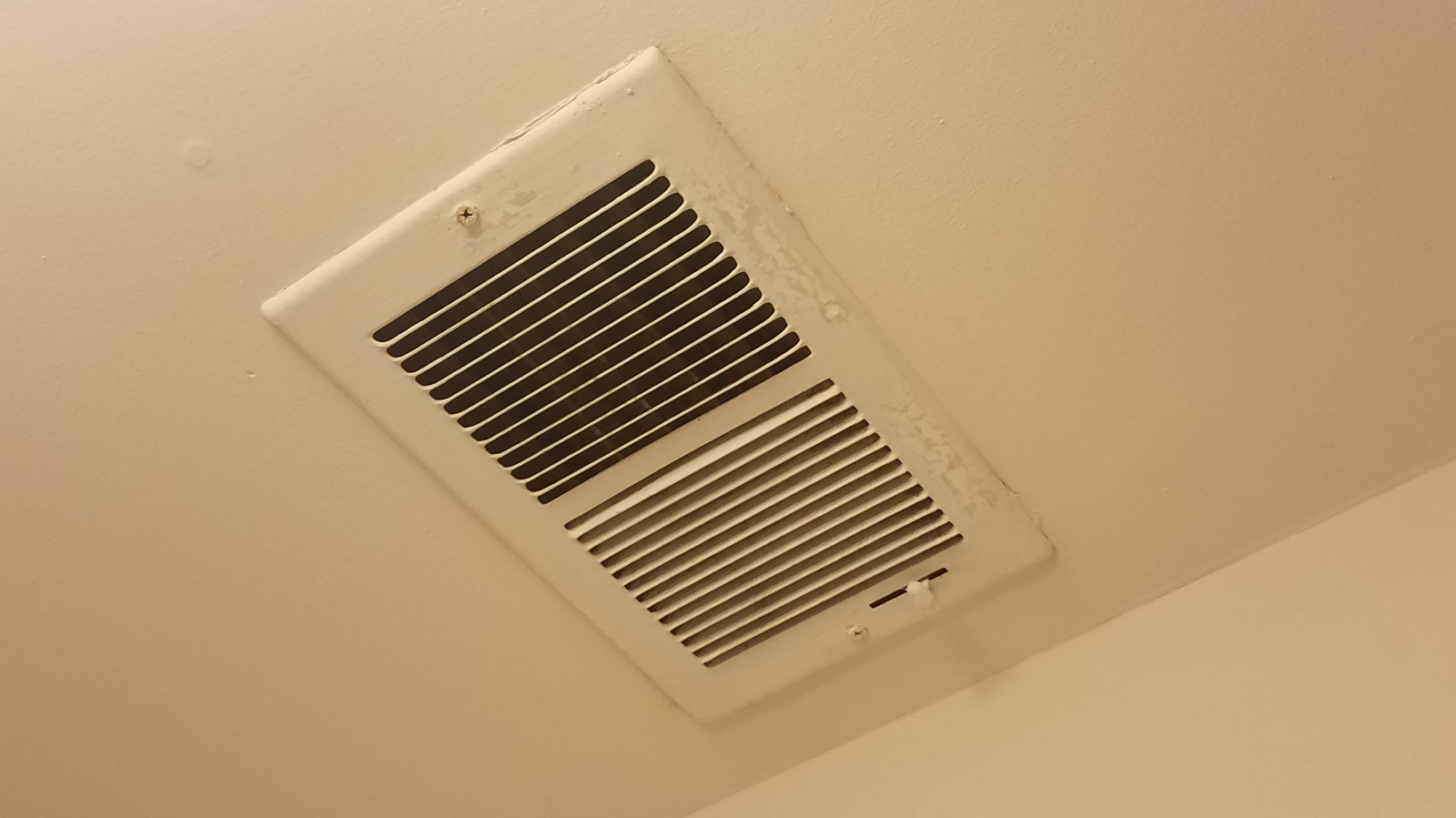
Closing off air conditioner vents in empty rooms sounds like a clever shortcut, especially when the house feels sluggish in the summer heat. The idea is simple enough: send more cold air to the rooms that matter and maybe shave a bit off the power bill. The catch is that central HVAC systems do not really reward that kind of move, and the result can be the opposite of what is intended.
Air conditioning is built to move a specific amount of air through a home’s ducts and living spaces. When vents are shut, the system does not magically need to make less cool air, it just has fewer places to send it. That creates extra pressure in the ductwork and changes the balance the system was designed to maintain, which can make the whole setup less efficient.
Instead of helping the AC breeze through its job, blocked vents can force it to push harder. That usually means more energy use, not less, because the equipment is still working with the same load while the airflow gets restricted. The home may not feel cooler any faster either, since the problem is not the amount of air being produced but how well that air can circulate.
That extra pressure can also stir up more trouble over time. Duct leaks can develop or worsen, and once airflow starts getting uneven, the entire system can struggle to keep temperatures steady from room to room. What looks like a small habit in one room can end up affecting comfort across the whole house.
There is also a bigger risk that is easy to overlook: strain on the HVAC system itself. Any time airflow is obstructed, components have to work against that resistance, and that wear can shorten the life of the equipment. Repairs to ducts or system parts can cost a lot more than whatever tiny savings closing vents might seem to promise.
A better approach is to help the AC do its job instead of boxing it in. A programmable thermostat can make a real difference by adjusting temperatures based on when people are actually home, so the system is not cooling an empty house for no reason. That keeps comfort more consistent without putting unnecessary pressure on the equipment.
Home insulation matters too, and often more than people expect. If the attic or walls leak heat like a sieve, the AC has to fight a losing battle all day long. Better insulation helps hold indoor temperatures where they belong, which takes some of the burden off the cooling system.
Sealing gaps around doors and windows is another quiet win that pays off in the summer. Those leaks let cooled air escape and warm air creep in, which makes rooms feel uneven and the thermostat stay busy. Fixing them can make a house feel calmer and more stable without messing with the vents at all.
Even ductwork deserves a closer look, since hidden leaks can waste a surprising amount of conditioned air. If cooled air is slipping away before it reaches the rooms that need it, closing a few vents will not solve the real problem. The smarter path is to keep airflow open, balanced, and supported by a system that can actually move air the way it was designed to.
