
Dirty washing machine drums hide more than grime; they can harbor mold, bacteria, and residues that transfer to clothes and to you. This article explains how a drum gets contaminated, what health risks are involved, and the exact cleaning timeline experts recommend to keep your laundry truly clean. Follow the simple schedule and targeted habits here to stop smells, reduce irritation, and keep fabrics fresh without overdoing it.
The problem starts with moisture, trapped suds, and leftover soils that cling to the drum and gasket. Cold-water cycles and low-temperature washes are kind to clothes but not to microbes, which find a damp, dark drum a perfect place to grow. Add fabric softener and liquid detergent residue and you get a slick biofilm that retains odor and germs.
That film is more than unpleasant; it can affect your health and your wardrobe. People report skin irritation, persistent musty smells on clothes, and flare-ups in allergy or asthma symptoms after wearing laundry washed in contaminated machines. While serious infections are rare, vulnerable people can see outsized effects from bacteria and mold exposure in the wash.
Recognizing a sick machine is straightforward if you know what to look for. A strong sour or mildew smell, visible black or gray specks around the gasket, and sticky detergent buildup in the drawer are clear red flags. Even when clothes look clean, odors and residue are signs the drum needs attention.
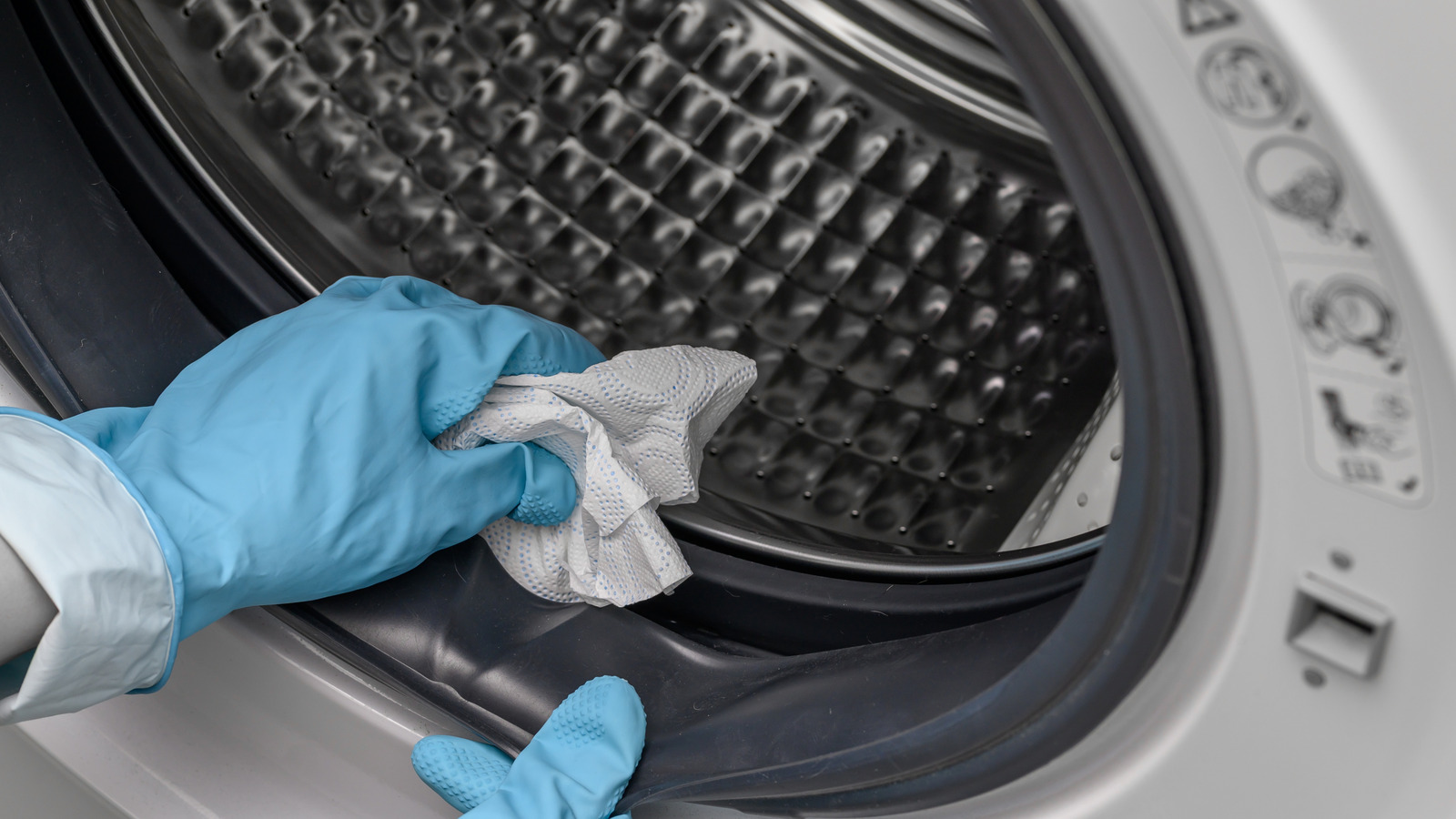
Experts recommend a consistent, simple cleaning timeline that hits the drum and the supporting parts. Daily habit: leave the door open after a cycle to let the drum dry and reduce moisture buildup. Weekly: wipe the rubber gasket and door edge with a damp cloth to remove trapped lint and water, and check the detergent drawer for residue.
Monthly maintenance should be a no-excuses event: run an empty hot-water cycle with a dedicated washing machine cleaner or a measured amount of bleach designed for laundry appliances. Scrub the drum and the gasket with a soft brush and a mild cleaner if you see stubborn spots. Also clean the detergent drawer and filter while you’re at it to prevent recirculation of grime.
Every three months perform a deeper clean that reaches parts water alone misses. Remove and rinse the detergent drawer, clean inlet filters where accessible, and inspect hoses and seals for buildup or damage. If your machine has a drain pump filter, clear it on this schedule to avoid clogs that lead to standing water and odors.
Small daily and weekly habits plus a firm monthly and quarterly routine stop problems before they start and keep clothes smelling fresh. If you notice persistent issues despite following the schedule, call a technician for an inspection; sometimes worn seals or failing components trap moisture and need replacement. Stick to this timeline and your machine will stay cleaner, your laundry will feel fresher, and you’ll reduce the health nuisances that a neglected drum can cause.
