
The nation hits its 250th year amid real civic unease, with schools, institutions, and public life wrestling over whether the Declaration of Independence still sets our moral bearings; this piece argues that one Supreme Court justice has kept those founding truths alive, insisting the Declaration remains the republic’s essential creed and the touchstone for equality and rights.
As we approach this milestone, many Americans feel a loss of common purpose. Campuses and cultural institutions debate whether equality is an enduring truth or a passing idea, and that debate is hollow if there’s no shared standard to test ideas against. The result is a sense that the glue holding national identity together is fraying.
Public bodies are often timid about defending the natural rights philosophy that animated the Revolution. When institutions shy away from those commitments, the language of the Declaration becomes ornamental instead of actionable. That erosion matters because the Declaration was meant to be more than rhetoric.
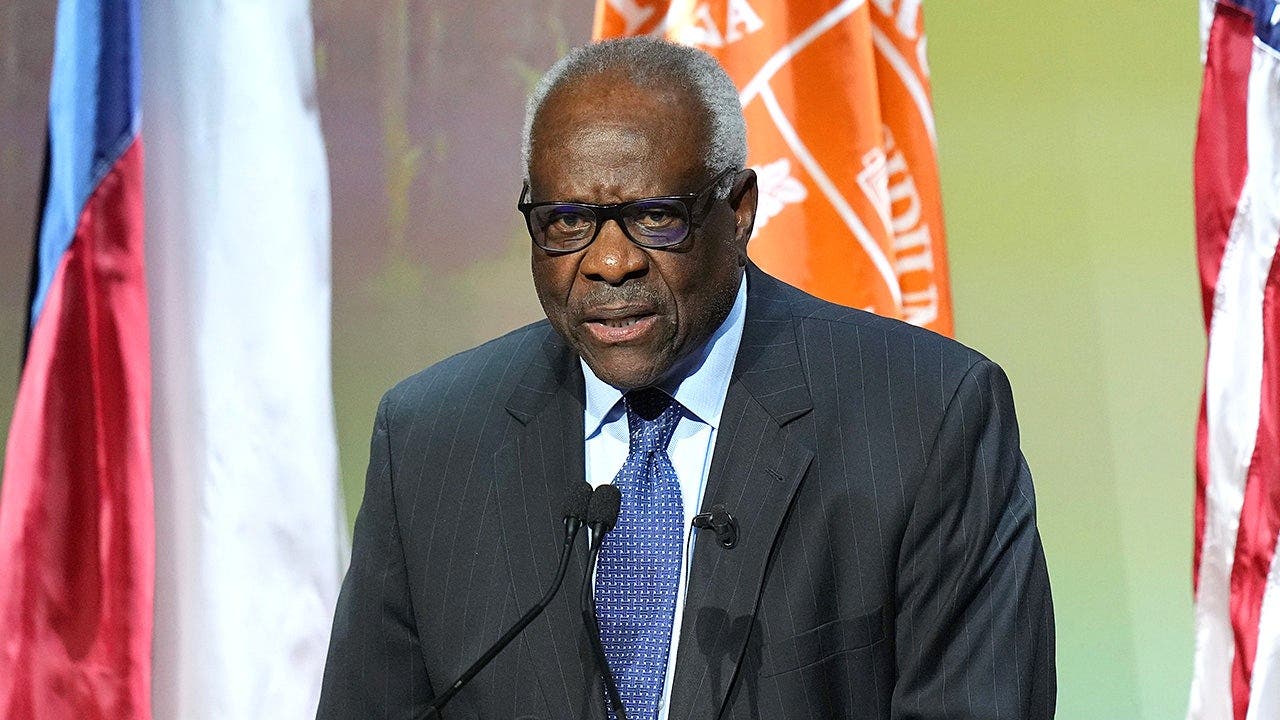
Justice Clarence Thomas has spent decades insisting the Declaration still matters in law and civic life. Now the Court’s second-longest-serving member, he treats the Declaration not as ceremonial history but as the republic’s moral foundation. That stance runs against academic fashions, but it aligns with how the Founders wrote and understood the document.
Jefferson called the Declaration “an expression of the American mind.” Lincoln framed it as the “apple of gold,” with the Constitution as the “frame of silver” built to protect it, and leaders from Frederick Douglass to Martin Luther King Jr. treated its claims as binding moral truths. Those echoes show the Declaration has guided reform and judgment across generations.
The Founders rejected unchecked majority rule for a reason, fearing what Elbridge Gerry called “the excess of democracy” and designing a constitutional republic to secure natural rights. The Constitution was never meant to be the final moral arbiter, but a structure to guard the ends the Declaration names. In that sense, the charter is a means to an explicitly moral end.
Equality and natural rights are the essential premises of the American experiment, and the Constitution exists to secure them. When those premises are left vague, the charter can be stretched or hollowed to fit the politics of the day. Keeping the moral frame clear preserves the whole enterprise of self-government.
Thomas’s jurisprudence reflects that commitment. He reads constitutional guarantees like equal protection and due process through the Declaration’s moral lens rather than through transient political currents. That originalist posture makes his rulings consistent and rooted in the nation’s founding purpose.
In a 1995 government-contracting opinion, Thomas warned that racial paternalism “is at war with the principle of inherent equality that underlies and infuses our Constitution,” and he has held that mindset ever since. His forceful concurrence in the 2023 admissions disputes at Harvard and UNC reaffirmed those convictions and reshaped how the Court treats race-based policies. These moments aren’t nostalgic; they are an argument about fidelity to founding principles.
Critics say Thomas clings to an old vision, but the opposite is true: a stable republic needs enduring standards to navigate change. Anchoring law to fixed moral commitments is not backward-looking; it’s a way to keep the nation steady while letting citizens correct mistakes. That steadiness has always been the point.
Today’s debates over race, identity, and equality are turbulent, and clarity matters more than ever. Thomas’s insistence that the Declaration still speaks to our obligations offers a simple metric for judgment: either the nation claims those truths or it does not. It’s a blunt choice, but nations survive on clear convictions.
The 250th anniversary is an opening to reclaim a shared vocabulary of rights and duties. A people who genuinely believe “all men are created equal” hold themselves to a standard when they fail. Without that standard, political arguments become contests of power with no moral baseline to settle them.
The Declaration is more than a founding document; it’s a statement of national purpose that has animated reform movements and moral progress. One justice has consistently pointed back to those truths as the yardstick for law and public life. If Americans want a sturdy compass, they can start there and let the nation’s core commitments do the work of judgment and reform.

1 Comment
I do believe this ais right as some of if not most of our elected demon Demo-rats in DC do not honor their OATH of OFFICE. Look at how they are trying to dismantle free peach along with OUR 2ND AMENDMENT every time some nut uses a gun. These bleeding heart, hand wringing, hanky stomping liberal socialist commie left wing demon democ-rats are destroying this country by doing their worst turning this country socialistic. Look who won in NY and who is running for mayor here in Kaliphonia, foreigner’s who do not embrace the ideals of what America is all about. It is about OUR the individual freedoms WE all enjoy as AMERICANS and these evil liberals want to take them away from US and enslave us with debt! ! ! WE either believe in the original text of OUR CONSTITUTION and follow it to the letter or the left will control US>