
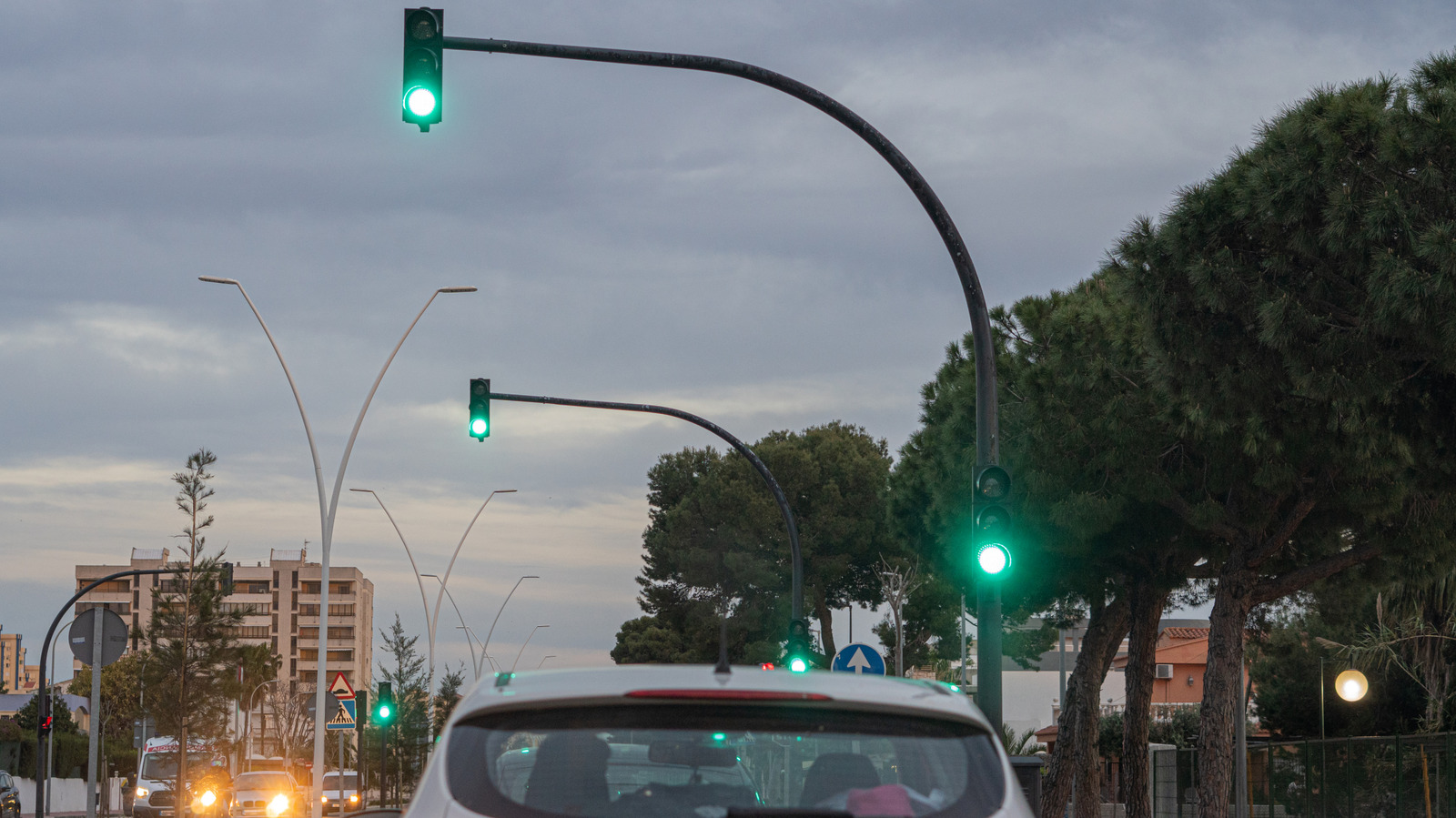
This article explains what the term “Green Wave” means for traffic signals, why municipalities use coordinated signal timing, and what the trade-offs are for drivers, transit riders, and the environment. It walks through how Green Wave setups work, the tech behind them, environmental impacts, and practical considerations for cities and commuters.
The phrase “Green Wave” describes a system where a string of traffic lights are timed so a vehicle traveling at a set speed can hit multiple green lights in a row. That coordination is planned along a corridor to reduce the number of full stops and to smooth the flow of traffic without relying on drivers to guess ideal speeds. City engineers pick target speeds and timing plans based on the street design, the mix of vehicles, and local goals. Implementations can be simple fixed schedules or complex adaptive networks that change timing in real time.
At its core, a Green Wave reduces stop-and-go driving by aligning signal phases so fewer vehicles idle at red lights. Less idling means fewer abrupt accelerations and decelerations, which are the phases of driving that burn disproportionate fuel. For commuters this often translates into shorter trip times and a less frantic ride, while fleets and buses can shave minutes off schedules. The result is a more predictable travel experience for anyone using that corridor.
Environmental benefits are among the main selling points for Green Wave schemes because emissions drop when engines run smoother and spend less time at idle. Fewer stops also cut fuel consumption, which lowers greenhouse gases and local pollutants like nitrogen oxides and particulate matter. Noise pollution declines too, as fewer cars are accelerating hard from rest. The scale of those benefits depends on traffic volumes, vehicle types, and how consistently drivers follow the target speed.
Technically, cities implement Green Wave in a few ways, from simple time-of-day plans to modern adaptive systems that use sensors, cameras, and connected vehicle data. Fixed-time coordination is cheaper and works well where traffic patterns are predictable, while adaptive control reacts to real-time volumes and can handle rush-hour surges. Integrating transit signal priority lets buses and trams extend greens when they run behind schedule, which helps public transit stay reliable. All of these options require investment in controllers, communications, and maintenance, and they demand ongoing tuning.
Not everyone benefits equally from Green Wave schemes. Motorists traveling at the target speed see the clearest gains, while drivers who speed or slow below that pace may still face delays. Cyclists and pedestrians can benefit from reduced vehicle turbulence and clearer crossing phases, but planners need to ensure crossing times and curbspace treatments are preserved. There is a safety dimension: smoother traffic can encourage slightly higher average speeds, so signal timing must be paired with speed management and good street design.
Equity and neighborhood impact should factor into decisions to deploy Green Wave corridors because the advantages often concentrate on main thoroughfares. If timing priorities favor through traffic, side streets and adjacent communities might experience longer delays or spillover congestion. Community engagement and careful performance monitoring can steer signal plans toward balanced outcomes that support transit riders, local businesses, and nearby residents. Pilots with transparent metrics help cities make adjustments before committing to wide rollouts.
There are practical downsides and limits: unpredictable incidents, variable demand, and construction can break the flow and undermine gains, and maintenance lapses can render coordination ineffective. Green Waves also risk creating induced demand by making driving faster and more convenient, which can fill up freed capacity over time. That means success requires continuous data collection, periodic retiming, and a willingness to tweak objectives if side effects appear.
For cities considering Green Wave, start with a focused pilot on a corridor where benefits are easy to measure and where alternatives like transit priority can be tested alongside timing changes. Track travel times, stops per vehicle, emissions proxies if available, and equity impacts so adjustments are evidence-based. Drivers should watch for posted target speeds that are part of the timing plan and avoid aggressive accelerations; matching the suggested pace is the simple, practical way to make the system work for everyone.
