
America’s ports are a lifeline and a vulnerability at once: everyday cargo could mask a strategic threat, recent conflicts show how commercial networks can be weaponized, and rebuilding our maritime industrial base is a national security priority that needs immediate, Republican-led action.
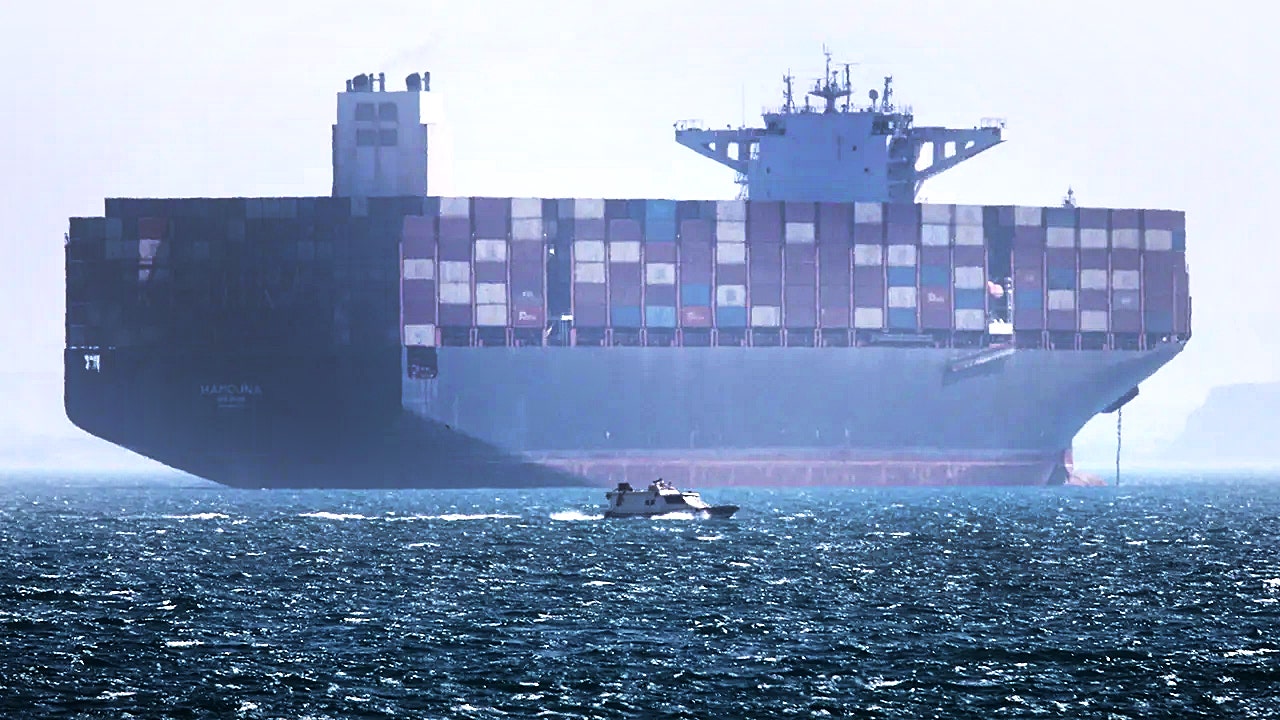
We import appliances, clothing, and household goods on container ships every day, but we must face the uncomfortable truth that those same containers could hide weapons. Technology and creative adversaries have closed the distance to our shores, turning global commerce into a potential avenue for attack. Ignoring that risk because of convenience would be reckless.
The Ukraine conflict offered a stark lesson in asymmetric tactics: adversaries packed drones into containers and used domestic transport routes to strike deep inside Russia. That operation exposed how a clever actor can exploit ordinary logistics chains to cause outsized damage. It proved that technical ingenuity plus commercial cover is a real battlefield tactic.
AMERICA’S POWER GRID, FOOD SUPPLY AND MORE ARE UNDER THREAT FROM DRONES
Those events should make us rethink how we secure ports, rail yards, and highways linked to global trade. A high share of incoming ships are managed by firms with ties to the Chinese Communist Party, and that relationship presents clear strategic risk. The scale of global shipping means vulnerability is systemic, not hypothetical.
TIM SHEEHY EXPOSES A ‘SCARY’ SHIPBUILDING COLLAPSE THAT LEAVES THE US VULNERABLE TO CHINA
Naval analysts warn that some cargo ships are being adapted with long-range strike systems, surface-to-air weapons, drone launch platforms, and improved sensors. Imagine an armed merchant vessel arriving under cover of routine trade and unleashing those capabilities in a crowded port. That scenario would turn commerce into combat and civilians into collateral damage.
Take Houston, for example: it handles massive tonnage and sits near crucial petrochemical hubs and refineries. The best-case outcome in a detection scenario is a Coast Guard interception that closes the port and halts trade, costing billions and crippling energy flows. The worst-case is an undetected assault that destroys infrastructure, fouls the air with toxic plumes, and causes catastrophic loss of life.
TRUMP PLAN FOR FOREIGN SHIPBUILDERS COULD CREATE 540,000 JOBS AND EXPAND US FLEET
An attack on Houston would not just be local pain; it would ripple through supply chains and energy markets, sparking shortages and economic damage nationwide. Other critical hubs are at risk too, from Los Angeles on the West Coast to Norfolk on the East Coast, where naval assets and commercial traffic converge. Our strategic geography gives us advantages, but it also concentrates targets.
The reason this is fixable is obvious: we surrendered control of a vital industrial base and now pay the price. After World War II the U.S. fleet was nearly 4,000 ships strong, but priorities shifted and shipbuilding declined while competitors scaled up. Today we operate fewer than 100 oceangoing commercial vessels while China has nearly 6,000, and that imbalance is a strategic liability.
That is why a bipartisan effort in Congress is pushing to rebuild domestic shipbuilding and expand our flagged fleet. The Shipbuilding and Harbor Infrastructure and Security Act, or SHIPS Act, aims to revive yards, spur new construction, and return key capabilities to American hands. It is a practical plan to replace dependence with deterrence.
The SHIPS Act combines tax incentives, permitting and regulatory reform, and investment in workforce development at maritime academies to jump-start production. It also proposes a Maritime Security Trust Fund to help finance the effort and a target to expand the U.S.-flagged international fleet to 250 ships by 2035. Rebuilding sealift and commercial capacity is both an economic and security imperative.
We have momentum at the White House level too, with President Trump’s Maritime Action Plan described as “mobilizing the whole of” government to restore American maritime strength. That alignment between Congress and the executive branch is exactly what’s needed to move quickly. It’s time to convert policy into steel and jobs.
China is turning commercial hulls into potential warships, and the proof is mounting. We have a concrete, Republican-led plan to protect ports, secure supply lines, and put American mariners and American ships back where they belong. Congress should pass the SHIPS Act without delay.
