
China’s showy diplomacy may have bought a little breathing room, but it did not erase the deeper problem facing Beijing: the math on its military buildup is turning ugly. A huge navy is one thing to launch, but keeping it running is where the real pain starts to hit, and that pressure is closing in fast.
Xi Jinping’s trip to Washington came with all the usual theater, from ceremonial pageantry to talk of a trade truce and a glossy promise that the two powers “should coexist in peace.” Behind that polished surface, though, the substance was thin. Taiwan stayed a flashpoint, rare earth issues stayed unresolved, and the trade pause was just that, a pause.
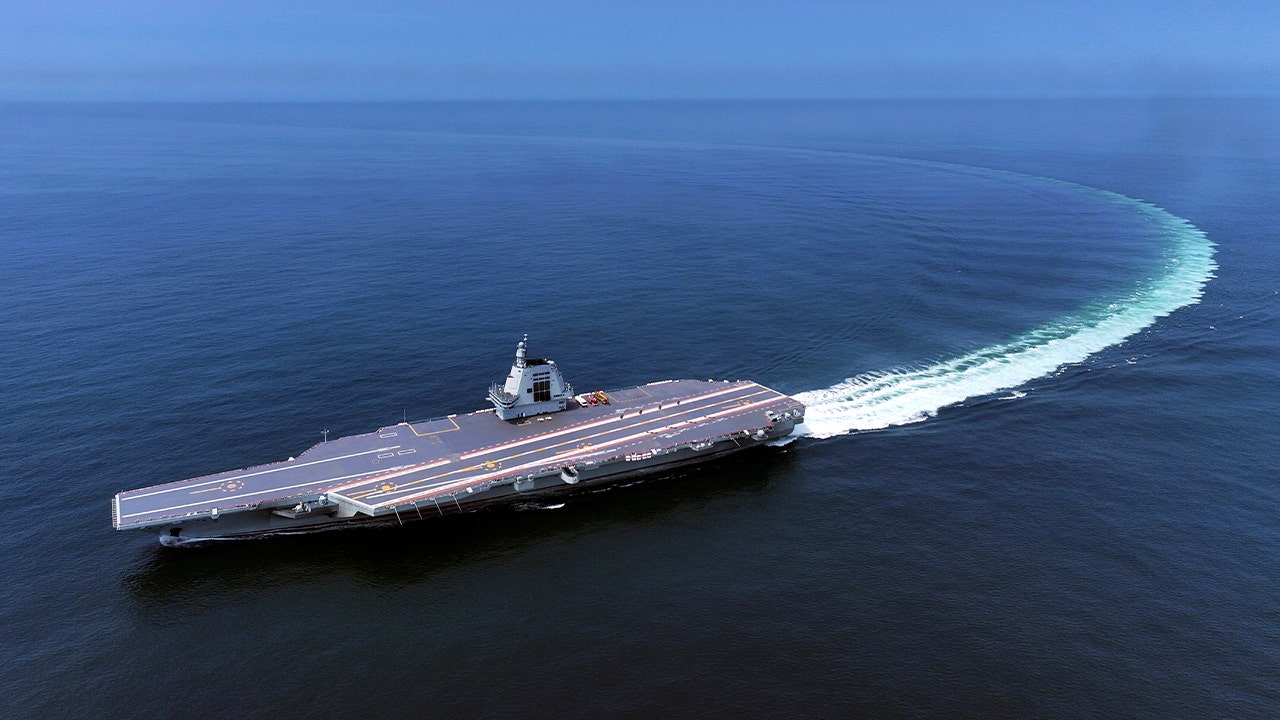
What really matters is the machinery underneath the headlines. China has spent years building warships at breakneck speed, stacking up destroyers, frigates, carriers, and submarines like there was no tomorrow. The question now is not whether the fleet exists, but whether the country can afford to keep it seaworthy once the bills for maintenance, fuel, training, and repairs start arriving in force.
That is where 2031 becomes a problem year. Modern navies are expensive over the long haul, and once ships age into heavy overhaul cycles, the cost of keeping them operational can swallow a massive share of the defense budget. If China’s newer vessels follow the same pattern as its older ones, the shipyards that built them will soon be buried under a second wave of work, while the demands of new construction keep piling up too.
The strain does not stop at the docks. Local finances across China are already stressed, with provincial revenue falling far short of spending in many places. Land sales, once a dependable cash machine, have fallen apart, and Beijing has been shuffling hidden debt onto official books just to make the system look cleaner than it really is.
That kind of fix only works for so long. Debt becomes heavier when growth slows, property markets weaken, and deflation creeps in, because every yuan has to do more work against less income. Beijing can push banks, issue more bonds, and keep the numbers moving for a while, but it cannot conjure a healthier economy out of thin air.
There is a blunt historical lesson hiding in that. Big military buildups can look unstoppable until the financing cracks start showing, and then the choices get ugly fast. Germany learned that in the 1930s when rearmament collided with hard fiscal reality, and the system only limped forward through conquest and plunder.
China is not repeating that script exactly, but the pressure point is similar. Once a force is built, sustaining it takes a stream of money that the buildup years never required. That is why the timing matters so much, because a navy that is still growing can hide its weakness better than one that has to pay its own bills.
At the same time, Beijing has been using its leverage in minerals and magnets to try to shape the battlefield before any confrontation arrives. The aim has been simple enough: keep the West dependent while China locks in its own advantage. But that tactic is losing force as the United States and its allies scramble to redraw supply chains and reduce exposure.
That shift cuts into Beijing’s leverage every year it drags its feet. Rare-earth dependence once looked like a powerful choke point, but pressure from Washington is pushing defense supply chains away from Chinese sources. The longer China waits to cash in its advantage, the less control it keeps over the systems it tried to pin down.
So the polished summit photos and calm words do not tell the whole story. China may still project power, but it is also marching toward a sustainment wall that cannot be waved away with slogans or staged diplomacy. The fleet looks impressive now, yet the real test is coming when the maintenance cycles hit, the budget tightens, and the easy years are over.
