
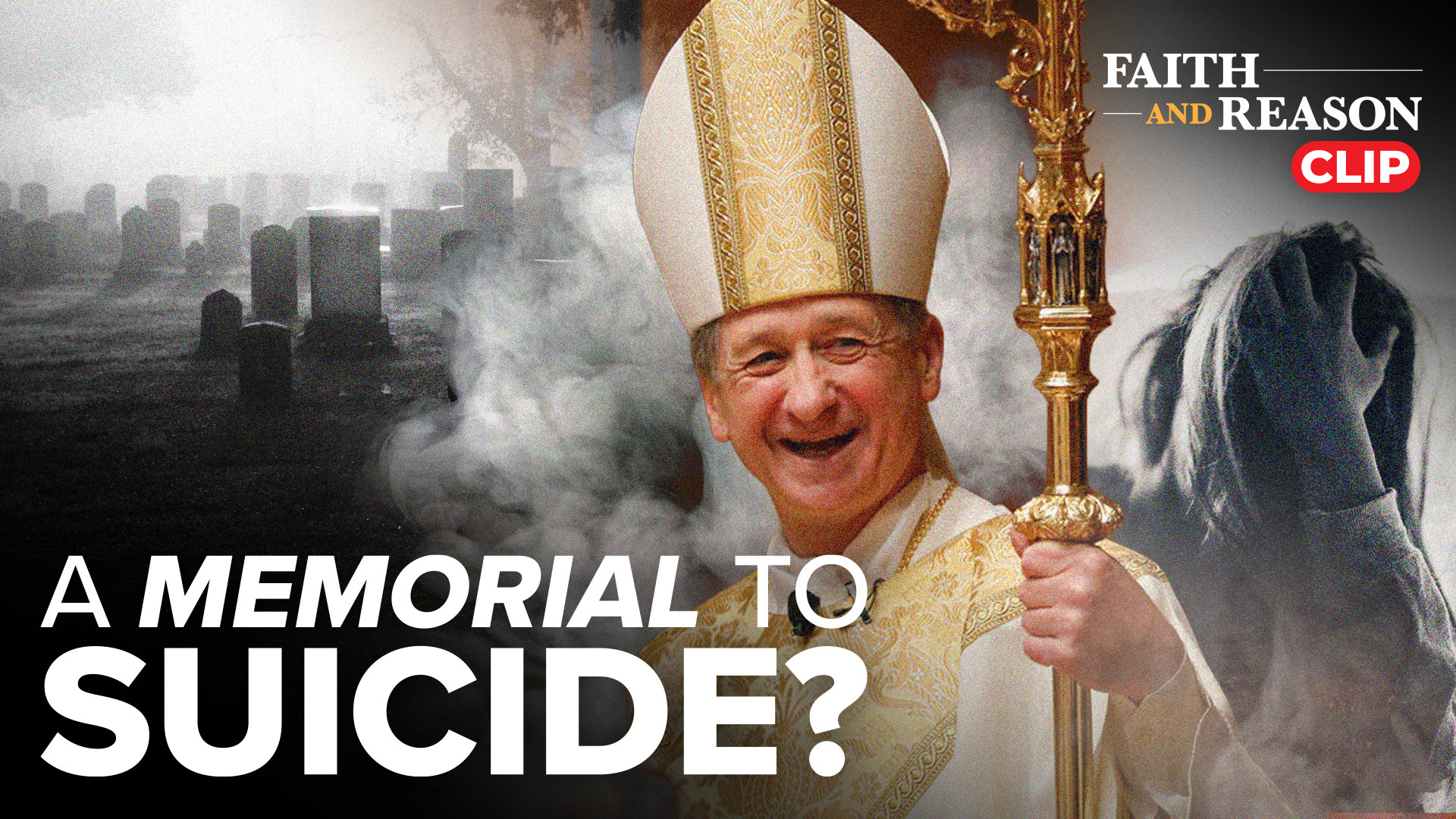
The Archdiocese of Chicago has installed what it calls the first United States Catholic cemetery memorial specifically honoring those who died by suicide, and that decision has rekindled a sharp debate about pastoral care, doctrine, and public messaging from Church leaders.
The memorial marks a visible shift in tone from some corners of the Church, with local officials emphasizing compassion and a changed understanding of culpability when mental illness is involved. The new marker and the statements around it are meant to comfort grieving families by insisting that those who die by suicide are not condemned. That reassurance arrives amid strong reactions from clergy and laypeople who worry about unintended theological consequences.
Many Catholics know that funerals and prayers for those who take their own lives have long been part of parish life when pastoral judgment finds mitigating circumstances. The Church has historically weighed mental health, psychological disturbance, and coercion when determining responsibility and the rites that follow a death. What feels different here is the outward, permanent claim on a cemetery monument that speaks to salvation rather than to pastoral care for the bereaved.
Not everyone welcomes that outward claim. Father Charles Murr said plainly, “It’s bizarre. It’s pushing the envelope to an extreme. Nothing is wrong.” His words capture a fear among some priests that public gestures like a memorial can be read as doctrinal statements rather than acts of consolation. Critics worry the marker could be interpreted as closing off the need for repentance or a sober discussion of sin and consequence.
Supporters counter that modern pastoral practice must reflect what clinicians and chaplains already know: severe mental illness can radically impair judgment and moral agency. For families left behind, a visible sign acknowledging suffering and offering hope can be a powerful balm against stigma and shame. Advocates argue that compassionate language and inclusive memorials help survivors find dignity and community instead of isolation and suspicion.
The debate touches on larger questions about how the Church balances mercy with truth, comfort with doctrinal clarity, and public symbols with private pastoral decisions. Cemetery monuments speak more loudly than a parish homily because they are permanent and public, seen by pilgrims, visitors, and future generations. That permanence makes critics doubt whether the right conversations about sin, redemption, and the afterlife are being held where they belong: in catechesis, confession, and pastoral counseling rather than on a stone.
Practical concerns also surface: will such memorials change how parishes approach suicide in sacramental practice, or will they simply provide a place for communal mourning? Will grieving families be nudged toward a sense of assured salvation at the expense of spiritual formation that acknowledges mystery, mercy, and the need for repentance? Pastors say careful pastoral outreach and clear teaching can coexist with compassionate memorials, but not everyone is convinced.
At the center of the argument is the pastoral imperative to care for the living while speaking responsibly about the dead. That means ministering to families, addressing mental health, and avoiding simplistic answers about complex moral realities. The new memorial is a visible sign of a pastoral shift, and the conversations it has prompted underline how delicate it is to balance compassion with theological coherence in public acts by Church authorities.
