
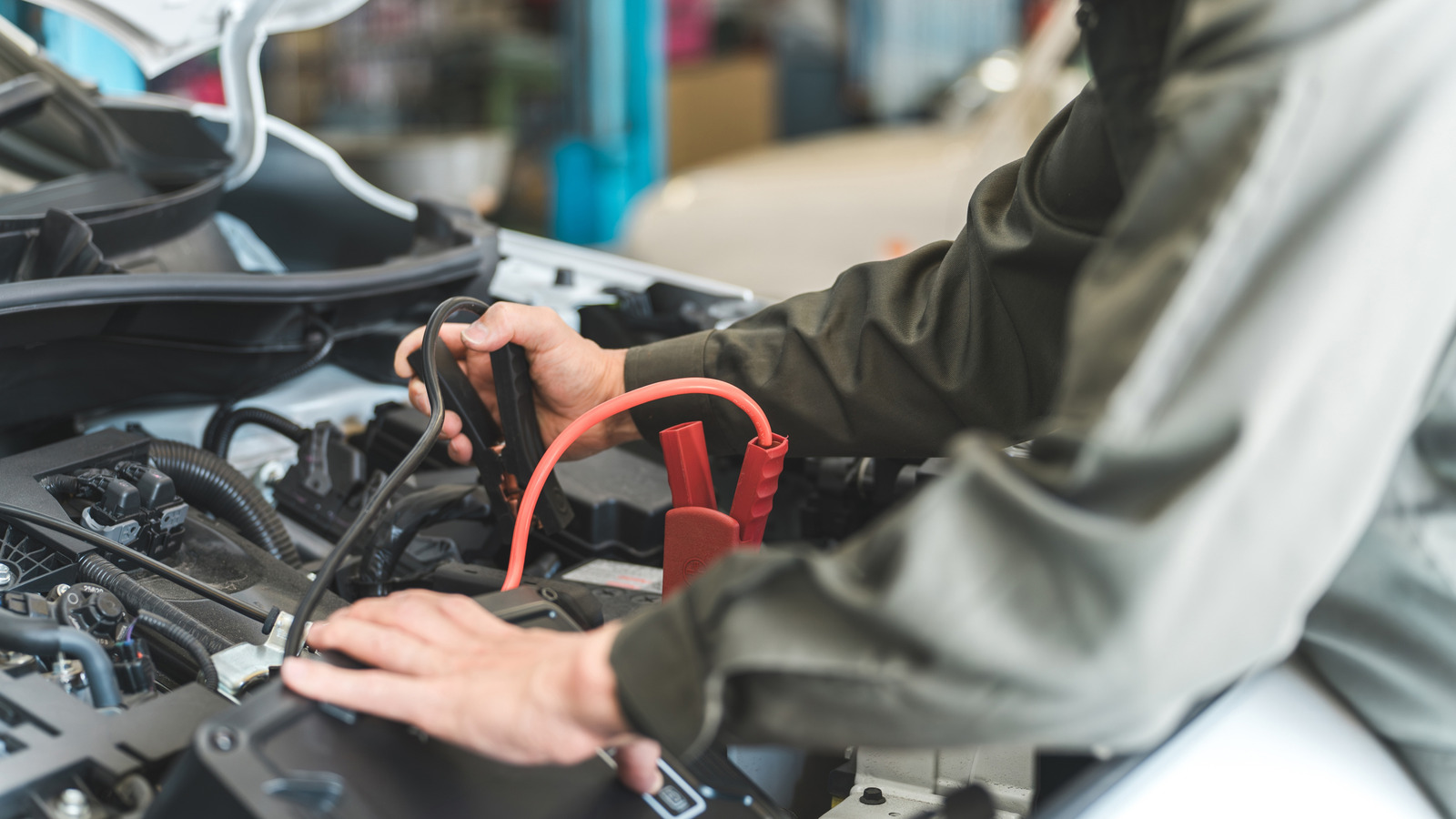
If your car refuses to start because the battery is dead, pause before reaching for jumper cables. This short piece walks you through the one crucial thing to do first, why it matters, and the safe choices if the battery looks damaged.
It’s natural to think jump-starting is the automatic fix when your engine won’t turn over, but there’s a safety check you shouldn’t skip. A damaged battery can leak acid or rupture under the strain of a jump, and electrical sparks around a compromised battery are dangerous. Taking a quick look first can keep you and your car safe.
Pop the hood and give the battery a close look before you do anything else. You’re checking for obvious signs of trouble: cracks in the casing, a bulging top, wetness that could be battery acid, and heavy corrosion around the terminals. If you see any of these, do not attempt to jump the car.
Corrosion often shows up as white, green, or blue powder around the terminal clamps and posts, and it can hide a loose or poor connection. A poor connection may make a jump ineffective and produce sparks when you try to hook up cables. If the terminals are just lightly corroded and the battery case is sound, you can proceed carefully; if corrosion is severe, call for help.
A cracked or swollen battery is a red flag for internal damage or overheating, and it can be unstable enough to rupture when charged. Leaking fluid is another clear reason to stop and avoid connecting jumper cables. Batteries that smell strongly of sulfur or rotten eggs could be venting gases from internal failure, and that is a dangerous condition around sparks.
If the battery looks intact and the terminals are secure, make sure the vehicle is off and accessories like lights and the radio are turned off before any attempt to restart. That reduces the sudden electrical load when you try to bring the system to life. Still, it’s smart to think about where you’re working; avoid enclosed spaces and keep bystanders back.
When the battery is clearly damaged or leaking, the right call is to get professional help rather than trying to force a start. Towing the vehicle to a shop or calling a roadside service can prevent further damage and reduce risk to people nearby. A technician can safely remove the battery and inspect for related problems under the hood.
Even if the battery appears undamaged, make sure someone who knows what they’re doing is handling any jump-start if you’re not comfortable. Mistakes hooking up cables can fry electronics or create sparks. Modern vehicles have sensitive electronics that can be harmed by improper jump connections, so caution isn’t just about personal safety; it’s about protecting costly components too.
If you successfully start the car after a safe jump, plan to have the battery tested and the charging system checked soon after. A successful start doesn’t mean the battery will hold a charge long-term, and an alternator problem can leave you stranded again. A quick check at a shop will tell you whether the battery needs replacing or if the charging system is the real culprit.
Preventive care can reduce the chance of finding yourself in this situation again, and routine checks are an easy habit to form. Keep battery terminals clean and tight, watch for slow drains from accessories that stay on, and replace batteries that show age or frequent trouble. Knowing the signs of a failing battery gives you options before an emergency.
When in doubt, choose safety over a quick fix—especially with something as volatile as a battery. A brief visual inspection is fast, often decisive, and could save you from a dangerous outcome. If you ever spot damage, corrosion, or a strong chemical smell, skip the jumper cables and get professional help right away.
