
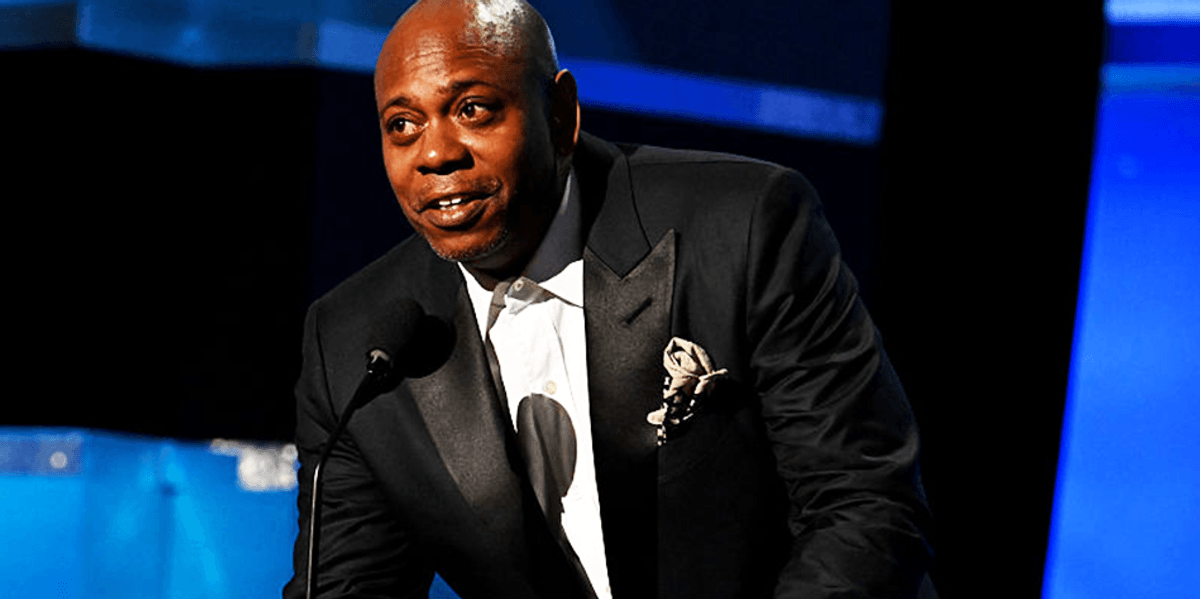
Dave Chappelle has landed in hot water after sharp comments about Charlie Kirk set off a fresh round of outrage, and the reaction has been loud on both sides. Erika Kirk did not hold back, blasting the remarks as “Beyond disgusting” and adding another layer to an already tense conversation around comedy, grief, and the boundaries of public commentary.
The fallout quickly shifted from a simple joke debate into something bigger, touching on how comedians are judged when they aim at political and cultural figures. Chappelle has built a career on pushing lines and daring audiences to laugh at what makes them squirm, but this episode shows how fast the room can change when the subject feels too raw for too many people.
For supporters, Chappelle is doing what he has always done, which is say the uncomfortable thing out loud and refuse to sand down his edge for approval. That kind of brand has kept him in the center of American comedy for years, and it is also why every controversial line gets picked apart with a microscope.
Critics see it differently. They argue that there is a point where provocation stops being clever and starts looking cruel, especially when the target is tied to a tragedy or to people still dealing with the emotional wreckage around it.
Erika Kirk’s response gave the moment real heat, because it moved the story beyond a generic social media pile-on. When a family member pushes back with that kind of force, the conversation stops being abstract and starts carrying the weight of real pain.
That is part of what makes comedy such a messy business right now. Audiences want honesty, but they also want restraint, and those two things are often at war when a performer is chasing the biggest possible laugh.
Chappelle has never been the kind of comic who plays it safe, and that reputation can be both a shield and a magnet for backlash. People who admire him tend to see courage and precision, while people who dislike him see a performer who knows exactly how far to lean into controversy and still walk away smiling.
The bigger issue is that modern entertainment moves fast, and outrage moves even faster. One comment can explode into a cultural battle in minutes, with fans, critics, and public figures all dragging the same moment in different directions.
In that kind of environment, the line between satire and insult gets thinner by the day. What one crowd laughs at, another crowd treats as a cheap shot, and the gap between those reactions is exactly where stories like this catch fire.
Chappelle’s defenders are likely to say that comedy loses its bite the second it becomes afraid of offending anyone. His critics will say that being fearless is not the same thing as being thoughtful, and that there is still a basic human standard that should matter when the jokes get personal.
That tension is not going away anytime soon, and neither is the appetite for public figures to speak out when they feel someone has crossed a line. The whole episode has turned into one of those culture moments that keeps circling, because every new reaction adds more fuel and makes the next response even sharper.
