
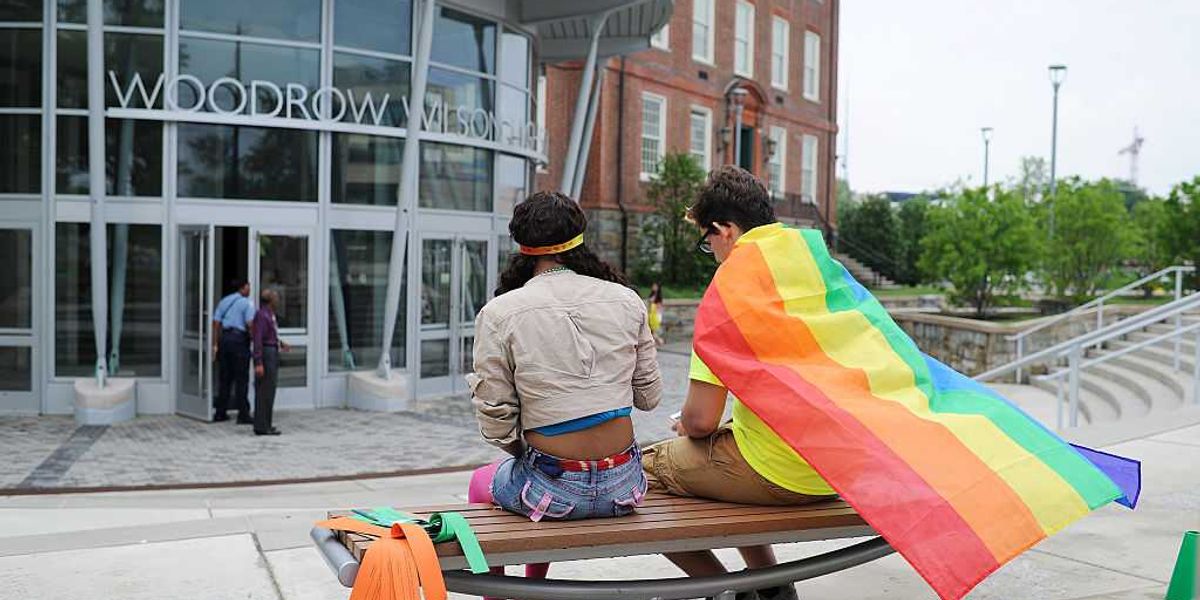
The latest CDC youth data is turning heads for one simple reason: the share of teens identifying as lesbian, gay, or bisexual is dropping fast. That shift is happening while other parts of the youth identity conversation remain loud, messy, and heavily debated. The numbers are forcing a fresh look at what has changed, what may be fading, and why the trend is showing up so sharply now.
The most striking part is the speed of the decline. A generation that spent years hearing nonstop messaging about labels, identity, and self-definition is now showing a clear pullback in the data, especially among high school students. That does not mean the entire conversation has vanished, but it does suggest the cultural grip is not as strong as it once looked.
For many observers, this is a reminder that teen behavior often moves faster than the adults around them expect. Social trends can explode with the force of a trend cycle, then lose steam just as quickly when the spotlight shifts. In this case, the downward swing in self-identification is being read as a sign that the hype may have outrun the reality.
The CDC analyst at the center of the discussion framed the change as a “free fall,” and that phrase fits the mood surrounding the numbers. When a trend drops that hard, people start asking whether the earlier rise reflected deep, stable identity changes or something more fluid and temporary. The answer may be some of both, but the data is making one thing hard to deny: the pattern has changed.
That shift also matters because it lands in the middle of a broader cultural fight over youth, schools, and the messages kids absorb every day. Parents have watched classrooms, media, and social platforms normalize identity labels at a speed that felt relentless. Now the data is complicating the story, showing that teen self-description is not locked in stone and can move in unexpected ways.
Some will read the numbers as proof that the cultural pendulum is swinging back. Others will say the trend reflects changing language, not necessarily changing feelings, since younger people often adopt and drop labels with more flexibility than adults like to admit. Either way, the decline is real enough to spark attention, and it has put fresh pressure on those who treated the earlier rise as permanent.
There is also a bigger question lurking behind the statistics: what exactly do these identity labels capture? For some teens, they describe attraction. For others, they can reflect curiosity, social belonging, or a moment in time rather than a fixed life direction. That makes the sharp drop especially interesting, because it suggests the label itself may be less durable than the culture assumed.
The political edge is impossible to miss. A lot of the public conversation around youth identity has been filtered through activism, school policy, and media narratives that pushed a very specific worldview. When the numbers start heading the other way, that worldview gets a little less comfortable, and the debate gets a little more honest.
Still, the story is not about triumphalism or panic. It is about a real shift in teen self-identification that deserves to be taken seriously instead of spun into a slogan. The next round of data will matter, too, because trends like this often reveal whether the change is a blip, a correction, or the start of something bigger.
What stands out most is how quickly the public conversation can move from certainty to uncertainty once the numbers stop cooperating. The cultural script was supposed to run one way, but teen behavior is writing a different one for now. That is why this report is getting so much attention, and why the debate around youth identity is not going away anytime soon.
