
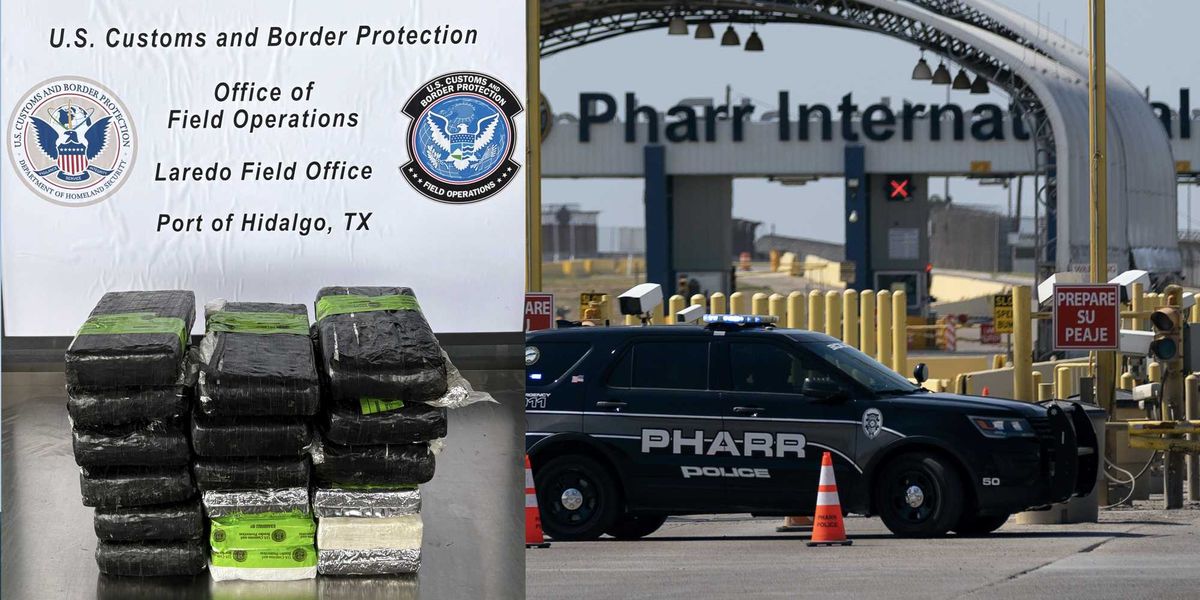
Federal agents intercepted a major suspected cocaine shipment tied to the southern border, and the size of the seizure is already drawing attention. The bust highlights how drug smuggling remains one of the most persistent threats facing border security, with traffickers constantly looking for weak spots and fast routes into the country.
The seizure, valued at about $634,000, underscores the money behind these operations and the pressure on law enforcement to stay one step ahead. Smuggling networks do not move on guesswork, and the fact that this load was caught shows how much work goes into spotting suspicious activity before it disappears into the interior.
Officials said the alleged cocaine was being moved from Mexico into the United States, a familiar path for cartel-linked trafficking. That route has long been a problem because it combines geography, volume, and the sheer creativity of smugglers who hide narcotics in vehicles, cargo, and other transport methods.
Customs and Border Protection has made drug interdictions a key part of its mission, and cases like this show why. Even when one shipment is stopped, the larger fight keeps rolling, because traffickers treat every busted load as just another cost of doing business.
The scale of the seizure also puts a spotlight on how much cash is tied up in the illegal drug trade before a single dose reaches the street. A load worth hundreds of thousands of dollars can still be only a piece of a broader operation that stretches across borders and feeds violence, addiction, and corruption.
Border security advocates often point to these kinds of arrests as proof that strong enforcement matters. When officers catch a shipment this size, they are not only pulling dangerous drugs out of circulation, they are also disrupting the confidence smugglers need to keep pushing their next run.
The challenge is that traffickers adapt quickly, shifting tactics whenever pressure rises. That means the next shipment could look different, come through another crossing, or be hidden in a new way, but the goal stays the same: move product, make money, and exploit any gap in enforcement.
Even without the full details of the operation, the message is clear enough. Border agents are still running into a steady flow of narcotics, and each seizure is a reminder that the fight against smuggling is not abstract, it is active, costly, and far from over.
