
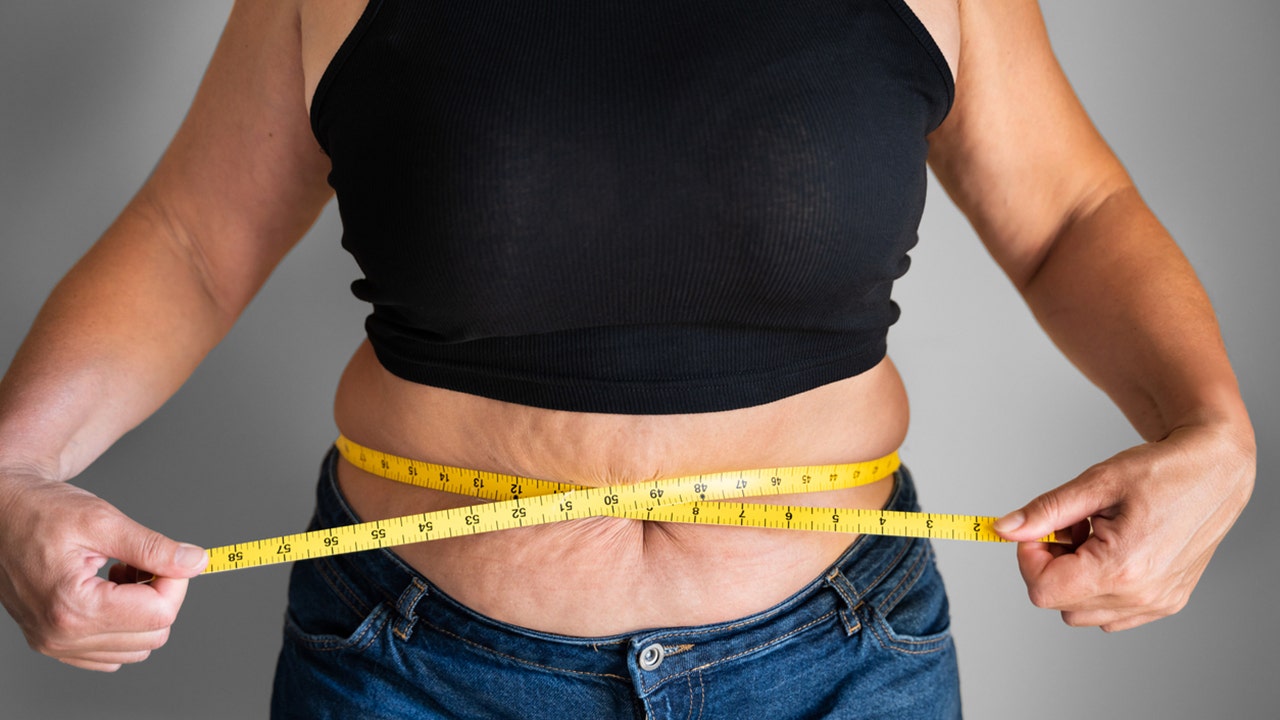
Early trial results are giving a fresh look at a stubborn health problem that sits deeper than a waistline. An experimental injection called CBL-514 is showing signs it may shrink visceral fat, the dangerous kind packed around internal organs. That matters because this hidden fat is tied to metabolic trouble, insulin resistance, and a higher risk of type 2 diabetes and heart disease.
Visceral fat is not the soft layer people can pinch under the skin. It nestles inside the abdomen, crowding the organs and influencing how the body handles sugar and fats. That makes it far more than a cosmetic issue, especially since research has linked it to serious cardiovascular risk.
In one recent analysis, visceral fat was found to have a stronger association with heart failure risk than BMI, which is a reminder that scale numbers do not always tell the whole story. A person can look fairly ordinary on paper and still carry a risky amount of deep abdominal fat. That disconnect is part of why treatments aimed specifically at visceral fat are drawing so much attention.
The CBL-514 studies were led by researchers including Dr. W. Timothy Garvey of the University of Alabama at Birmingham and Yu-Fang Ling of Caliway Biopharmaceuticals in New Taipei City, Taiwan. The early human trials focused on whether the injection could reduce visceral fat deposits rather than just body weight in a broad sense. That narrow target is exactly what makes the results stand out.
Earlier phase 2 work had already suggested the drug could cut subcutaneous fat, the layer just beneath the skin. That kind of fat is more visible and often drives the cosmetic side of weight-loss treatments. Visceral fat is the bigger health concern, so seeing evidence that both types may respond is an encouraging twist.
MRI scans from the phase 2 trials pointed in the same direction. Participants who received CBL-514 showed a drop in visceral fat, while those in the placebo group saw an increase. After the final treatment, the average fat volume in the treatment group was down 12.01%, a sharp contrast to the placebo group’s 5.68% increase.
The dosing schedule was fairly structured. Participants received injections into the lower abdomen every three weeks for as long as 12 weeks, with doses reaching up to 600 milligrams. The number of injections depended on how thick the abdominal fat layer was, and as that layer thinned, the number of injections decreased.
What makes the drug especially interesting is the way it works. CBL-514 is designed to trigger apoptosis, a process that causes fat cells to self-destruct while leaving nearby cells alone. That kind of selectivity is a big deal, since broad tissue damage would be a nonstarter for a treatment meant to refine body fat safely.
The cosmetic side will likely get plenty of attention, because a flatter stomach is an easy selling point. But the bigger prize is the health payoff tied to reduced body weight, better blood pressure, improved cholesterol, and less visceral fat overall. Those shifts can change the long-term outlook in a real way, especially for people already climbing the risk ladder.
That is also where the treatment separates itself from procedures like liposuction. Liposuction can shape the surface, but it does not reach the fat buried around the organs. So while a procedure may improve appearance, it cannot touch the deeper metabolic threat that visceral fat brings along for the ride.
For now, the trial data are still early, and that means caution is part of the picture. Even so, the numbers are strong enough to keep researchers watching closely, especially in a medical world hungry for tools that do more than trim inches. If future studies keep lining up like this, the conversation around belly fat may start sounding a lot more serious than before.
