I walked into the cancer center with decades of caregiver habits folded into my pockets and left with the odd sensation of being the patient for once; a routine check, an unexpected embarrassment, some laughter in the waiting room, a brief imaging hiccup, and the steady small hope that comes with early detection.
The receptionist asked me to verify my date of birth. I gave her Gracie’s. “Oh … that’s my wife’s birthday.” The pause that followed felt like the moment a mirror finally points back at you.
After 40 years of scheduling appointments, signing forms, and navigating hospital hallways for someone else, answering with my spouse’s birthdate was automatic. This time, the call was for me: imaging and treatment planning ahead of radiation for prostate cancer, caught early and with an encouraging prognosis.
Sitting in the waiting room, I realized I was younger than most by a decade or more. A staff member later said many of their patients are in their 70s or older, and sometimes someone in his 50s turns up. For the day, I was the new kid.
I chose a chair at the room’s edge, trying not to intrude on a group that had the unspoken map of this place. They reminded me of the men who gathered at Nick’s grocery back home, the kind who could swap weather and fishing stories and end up on a medical tangent without missing a beat.
The conversation slid toward prostate cancer, its treatments, and the little humiliations that come with getting older. One man told of an exam when the sheet slipped and the nurse replied, “Don’t worry. If I see something I’ve never seen before, I’ll kill it.” The line landed with a laugh and a kind of blunt comfort.
They called me back, and technicians arranged me into a machine that looked like faded sci-fi set design. They explained the process, positioned my legs, and tucked me into the scanner before stepping out to the control room.
A technician returned a few minutes later looking apologetic. “We have a bit of a challenge.” I braced for numbers or delays. “There’s a gas bubble.” The explanation continued, “It’s in … you.” “Oh.”
I wrestled with responses that would have made four brothers proud and staff relations awkward, but I asked instead, “What do you recommend?” The solution was almost absurdly simple: take a walk and see if anything happens.
So there I was, pacing hospital corridors to coax physics into cooperating, carrying the additional problem of having been told to drink lots of water for clear images. At times I smiled thinking that our household of five boys would have treated this as an opportunity for foolishness rather than official consultation, which only made the walk feel more human and less clinical.

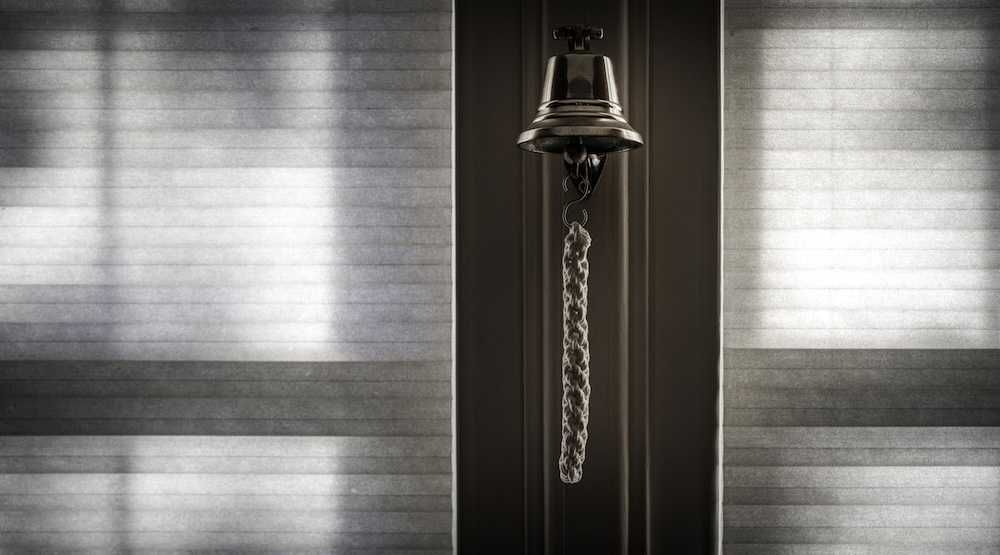
The imaging worked out. Planning finished. In a few days I’ll return to begin treatment, and somewhere down the hall hangs a bell patients ring when they finish. Lord willing, I’ll get to tug that rope and clang it once this month.
Ahem. Leaving the center, I thought about those older men who’d accepted the place’s routines without surrender. They knew where to park, where the coffee sat, and which stories landed. They weren’t eager to be there, but they weren’t lost either.
Eventually, if you stay on any road long enough, you stop asking for directions and start giving them. One day I might be the man telling the new kid the good jokes, the practical tricks, and the awkward anecdotes about walking off a gas bubble that messed with a scan.
For years, I have encouraged fellow caregivers to pay attention to their own health rather than waiting until a crisis forces the issue. This experience has only reinforced that conviction. Prostate cancer is often called a silent disease. Mine was. Fortunately, silent does not have to mean deadly.