
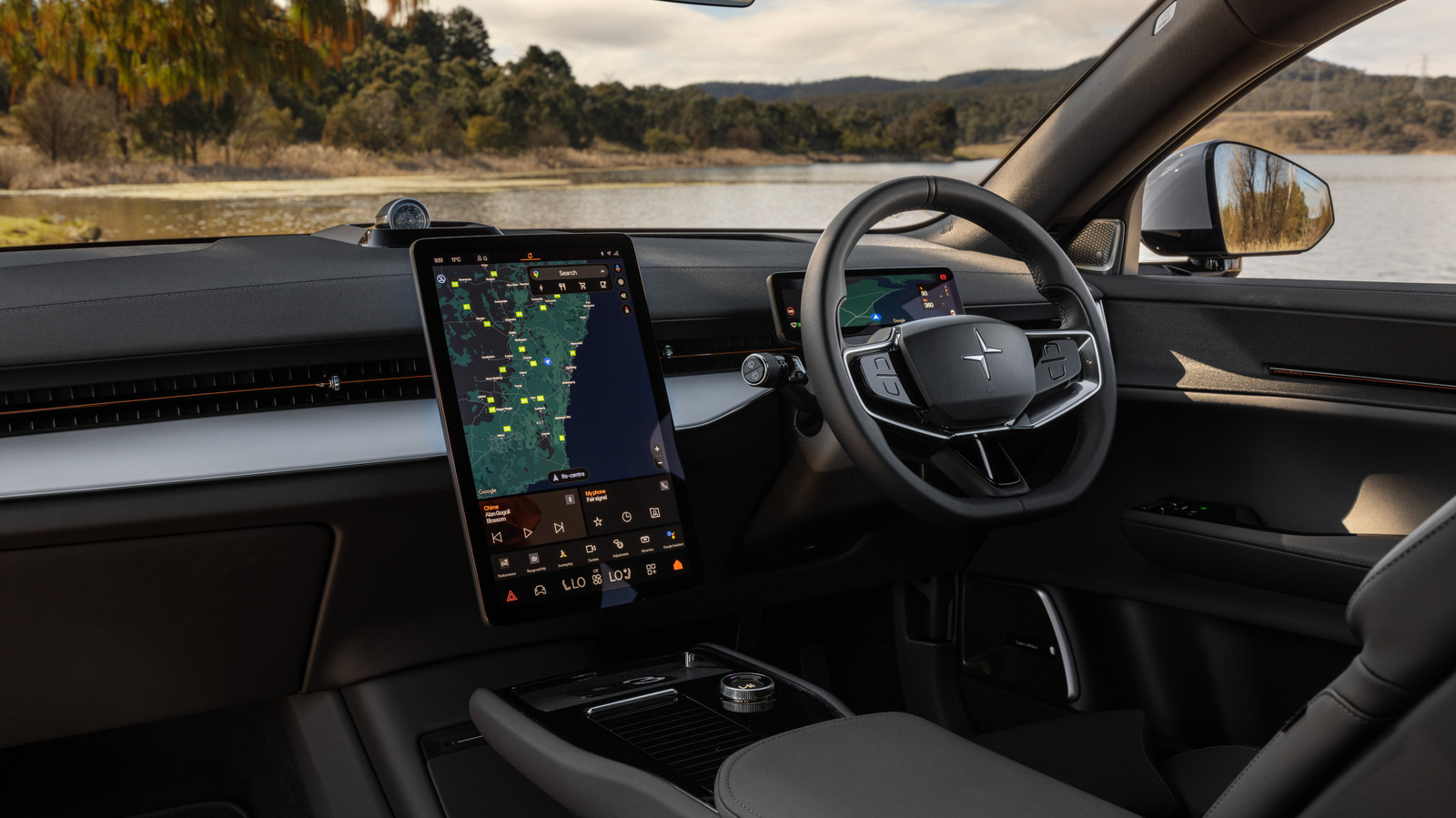
Cars keep getting smarter, but not every new gadget or idea finds a welcome seat in the market; this article looks at why some automotive innovations stick and why others quietly vanish, exploring design choices, buyer behavior, technical trade-offs, and industry pressures that shape which features survive.
Automakers chase the next big thing because buyers notice novelty and headlines, but novelty alone is a poor guide to long-term value. A shiny promise can turn into a daily annoyance if ergonomics, reliability, or cost are ignored. Consumers reward intuitive, durable improvements and punish gimmicks that complicate ownership.
One major reason ideas fail is poor human-centered design. If a feature interrupts a driver’s workflow, requires constant calibration, or responds unpredictably, drivers simply stop using it. Technologies that demand a learning curve without obvious benefit get tossed aside in favor of what already works.
Cost and perceived value are another brutal filter. Manufacturers may greenlight expensive options to differentiate a model, but buyers vote with their wallets. When a pricey feature doesn’t deliver clear advantages—better safety, convenience, or economy—it rarely justifies the premium over years of ownership.
Reliability and maintenance overhead also decide fate. Features that add complexity to routine repairs or need specialized diagnostics can scare both buyers and independent mechanics. Long-term serviceability matters: owners favor systems that can be fixed affordably at a local shop rather than ones that require dealer-only fixes.
Regulatory and legal hurdles can stop promising ideas cold. Safety standards, emissions rules, and liability concerns shape what makes it from concept to showroom. Even if a technology shines in lab demos, real-world approval and insurance acceptance are non-negotiable barriers that often slow or cancel rollouts.
Timing and infrastructure play a role too. Some technologies depend on a broader ecosystem—charging networks, robust connectivity, or accurate mapping—before they make sense. When the surrounding infrastructure isn’t ready, even clever features can seem premature and fail to gain traction.
Marketing and messaging matter more than companies admit. A capable feature can flounder if customers don’t understand why it exists or how it improves daily life. Clear demonstrations, simple language, and honest explanations help adoption, while hyperbole and jargon create skepticism.
Market segmentation influences survival as well. A feature that appeals to early adopters or niche buyers might never scale to mainstream success. Automakers learn from this and often migrate successful ideas from high-end models down into cheaper trims, but those that never clear the niche threshold disappear quietly.
Competitive dynamics create pressure to innovate, sometimes producing half-baked additions rushed into production. When rivals leapfrog with improved iterations, first attempts are remembered as awkward experiments. That cycle means the landscape will always include both brilliant breakthroughs and well-intentioned flops.
Consumer feedback loops and data-driven tweaks have improved how features evolve, but the fundamental lesson remains simple: usefulness beats novelty. Innovations that respect the driver, lower friction, and reduce long-term cost stand the best chance of surviving the test of time. Manufacturers who keep that balance are the ones shaping which new ideas become standard equipment in the years ahead.
