
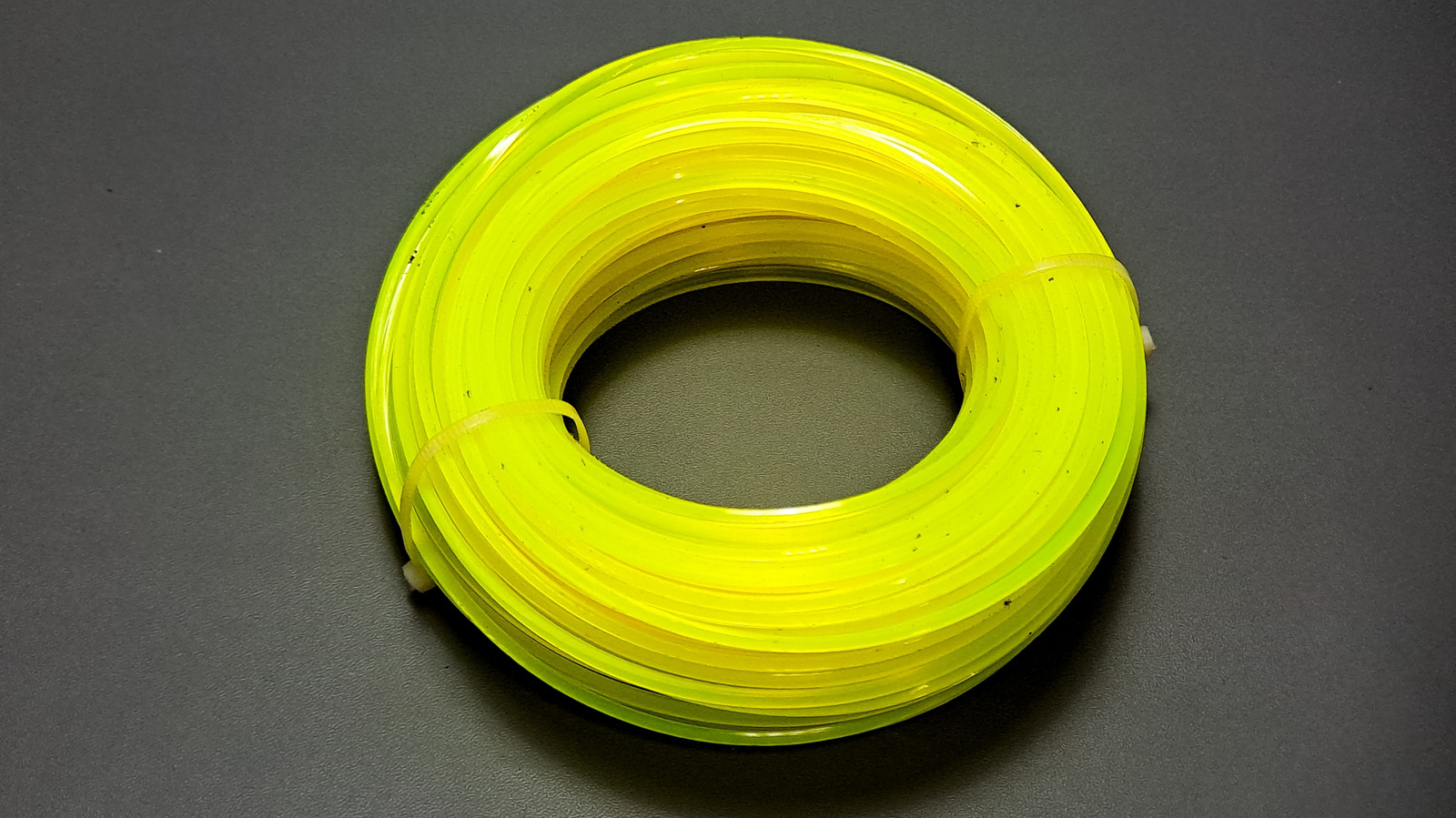
- Using weed eater line as an alternative to standard 3D printer filament
- Why nylon trimmer line can work with the right printer settings
- Feed rate, spool handling, and diameter differences that matter
- Heat tuning, ventilation, and safety concerns when printing nylon
- Moisture control, drying, and airtight storage for nylon line
Weed eater line can sound like a hack ripped from a garage-day dare, but in the right setup it really can stand in for 3D printing filament. Since many trimmer lines are made from nylon, they share enough material traits with common print plastics to make the idea more practical than it first appears. The catch is that it is not a simple swap, and the printer needs a few adjustments before the results stop looking like a science fair gamble.
The first thing to think about is the line itself. Trimmer line is usually thinner than standard filament and often comes in odd shapes meant for cutting grass, not feeding an extruder. That means the printer may need a modified spool arrangement and careful attention to the feed path so the line does not twist, snag, or slip during a print.
Diameter matters a lot here, because the printer is built around a specific filament size. If the line is smaller than expected, the extruder can underfeed unless the feed rate is adjusted to compensate. Some printers may also struggle with rollers slipping on the smoother nylon surface, which can cause weak layers or uneven output if the machine is not dialed in properly.
That trial-and-error phase is where the real work starts. Heat settings often need to be pushed around depending on the exact trimmer line being used, and print speed may need to be slowed or raised to find a stable rhythm. A setup that works on one printer can misbehave on another, so there is no one-size-fits-all formula waiting in the wings.
Nylon brings another layer of trouble because it can release unpleasant fumes when heated. Proper ventilation is not optional, especially when the printer is running hot and the material is being pushed through the nozzle for long stretches. The output may be useful, but the workspace still needs to be treated like a place where hot plastic and air quality both matter.
Moisture is another big factor, and nylon loves to absorb it. If the line has been sitting in a garage, shed, or toolbox, drying it before printing can make a noticeable difference in quality. A filament dryer works well, but a food dehydrator or another low-heat drying method can also help bring the material back into shape.
Once the line is dry, storage becomes the next headache. Nylon does not stay dry for long if it is left out in open air, so sealing it in an airtight bin with silica gel can help keep it usable. That extra step may feel fussy, but it saves time later by reducing clogs, pops, and messy prints that waste more material than they use.
For hobbyists who already have spare trimmer line on hand, the appeal is obvious. It is cheap, easy to find, and sometimes already sitting in the garage waiting for yard work, which makes it tempting to test on a 3D printer. With the right expectations and a willingness to tweak the machine, that plain weed eater spool can turn into a surprisingly useful backup supply.
