
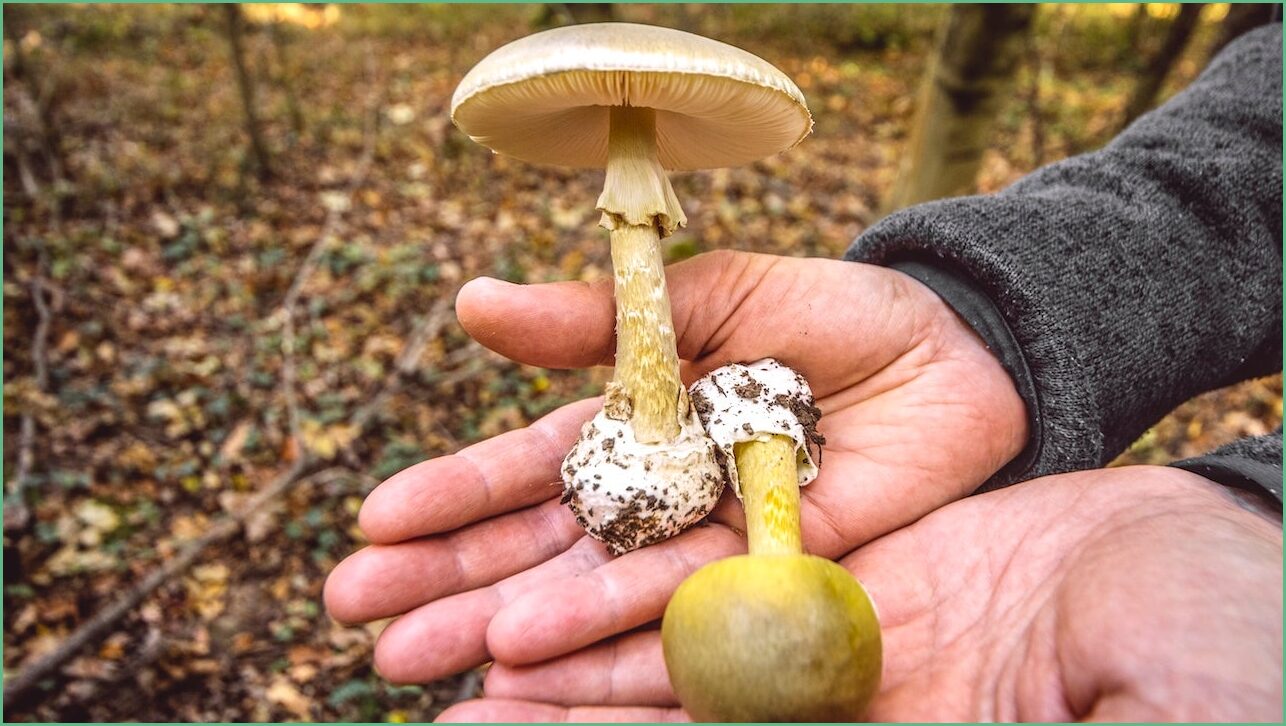
Health officials in California have tracked a cluster of amatoxin poisonings tied to foraged death cap mushrooms that left several people critically ill, caused multiple deaths and prompted urgent warnings against eating wild mushrooms; the toxin damages the liver and can appear deceptively harmless at first, so experts urge caution, medical follow-up and avoiding foraging entirely unless you are an expert.
The outbreak centered on consumption of Amanita phalloides, commonly known as the death cap, a mushroom notorious for its potent amatoxins. Cases were reported across Northern California and the Central Coast, and public health authorities tied the surge to recent heavy rains that encouraged mushroom growth. People of widely varying ages were affected, showing that the risk is not limited to any single group.
Symptoms can begin subtly and then escalate, often starting with stomach distress that feels like a bad case of food poisoning. Common early signs include nausea, vomiting, diarrhea, abdominal pain and dehydration, typically within six to 24 hours after ingestion. That lag can lull people into thinking they are improving when the toxin is actually working its way deeper into the body.
“You might not get symptoms for the first five or six hours, and that’s just by nature of the breakdown of the toxin in the stomach. Then you get the nausea, vomiting and diarrhea,” Dr. Lauren Shawn, M.D., a board-certified emergency medicine physician and medical toxicologist, said about the typical early pattern. Those initial stomach issues sometimes clear up in a day, which dangerously masks ongoing damage. Serious liver injury can emerge two to four days later, long after people feel better.
Amatoxin attacks the liver at a cellular level, stopping production of RNA and the proteins cells rely on to repair and protect themselves. “It takes some time for the toxin to actually damage the cell, which is why people don’t show up with liver failure until a day or two after,” Shawn explained, highlighting the delayed timeline. This slow-burning damage is what makes amatoxin particularly deadly and insidious.
“Amatoxin damages many types of cells in the human body, but especially liver cells,” Dr. Adam Berman, the associate chair of emergency medicine and a medical toxicologist, warned about the way the poison targets the organ. “Because of the damage caused by the death cap mushroom, the liver is no longer able to function properly. Without a functional liver, the body begins to fail and can quickly die,” the doctor warned.
Clinical diagnosis is challenging because there is no widely available rapid test for amatoxin. Physicians must rely on exposure history, the timeline of symptoms and blood tests that show liver function decline. That makes early recognition and honest reporting about mushroom consumption essential for getting the right care in time.
If you believe you or someone in your family has eaten a suspect mushroom, bring any leftovers or take detailed photos to aid identification. Toxicologists recommend consulting poison control and medical experts immediately rather than waiting to see if symptoms worsen. Early medical monitoring can detect liver injury before it becomes irreversible and can speed decisions about interventions like transplantation when needed.
Health authorities stress that cooking, boiling, freezing or drying does not neutralize the toxin in death cap mushrooms. The CDPH stated that the death cap is “still poisonous even after cooking, boiling, freezing or drying.” That means culinary tricks or home preparation cannot be relied on to make these mushrooms safe.
Because the death cap can resemble several edible species to an untrained eye, the easiest and safest rule is simple: do not pick or eat wild mushrooms. Toxicologists caution that even experienced foragers can make mistakes, and the stakes are liver failure or worse. Buying mushrooms from trusted retailers is the safest alternative for people who want to cook with them.
Keep children and pets away from wild mushrooms found in yards, parks or trails, since accidental ingestion can be catastrophic. Those who have consumed a suspected death cap mushroom should seek medical attention right away and contact poison control for guidance. In this region, the California Poison Control System hotline is available at 1-800-222-1222 for immediate advice and triage.
Medical teams have already seen severe outcomes tied to this outbreak, including deaths, liver transplants and dozens of hospitalizations. Local health agencies are urging caution across affected counties and reminding the public that visual identification alone is not a safe method for determining edibility. When it comes to wild fungi, the safest choice is simply not to take the risk.
