
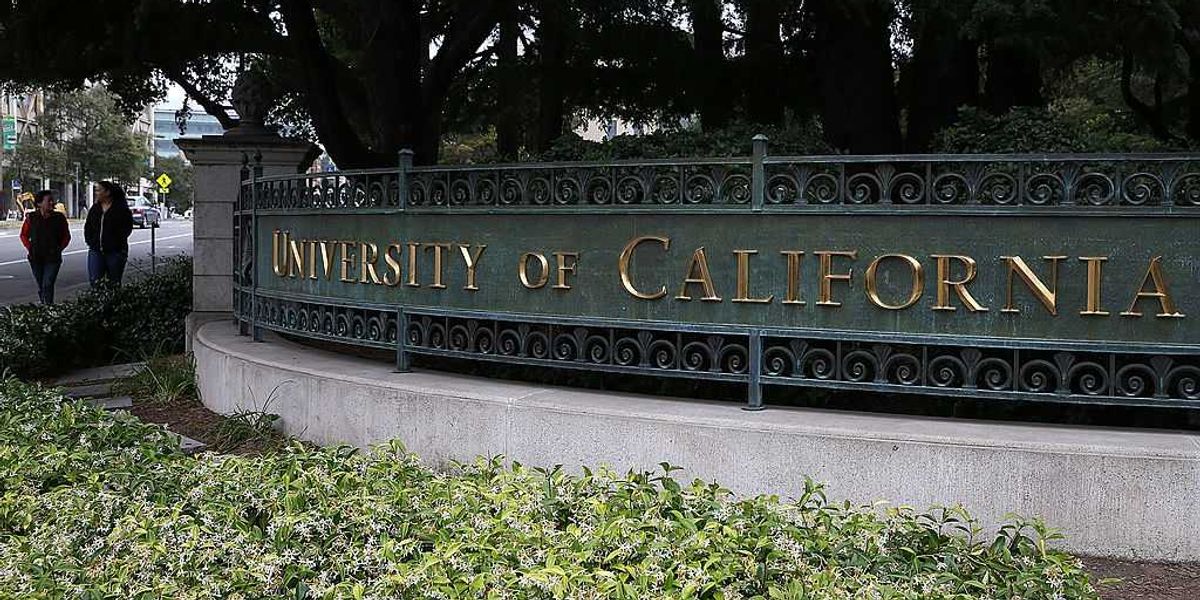
Berkeley’s latest defense of DEI ran straight into a stubborn reality: the campus may have the slogans, the committees, and the confident rhetoric, but the money trail does not show a payoff. That is where the conversation gets sharper, because once the branding gets stripped away, the question becomes whether these programs are actually delivering value or just soaking up attention and resources. The answer in this case looks a lot less glamorous than the campaign posters.
Much of the debate around DEI has been built on moral language, urgency, and big promises about fairness. Supporters often talk as if the mission alone proves the case, but institutions still have to justify the spend, the staff time, and the administrative machinery that comes with it. When results are hard to spot, critics are quick to argue that the whole operation is more about signaling than solving anything.
That tension matters at a place like Berkeley, where prestige and political posture often go hand in hand. Universities like to present themselves as engines of progress, but they also answer to budgets, donors, students, and the public. If a program is sold as essential, people expect more than buzzwords and polished statements.
The broader national backdrop only makes the issue hotter. DEI has become a flashpoint across campuses, corporations, and government offices, especially as the Trump administration and conservative critics have pushed back against what they see as ideological overreach. In that climate, every new example that fails to show a clear benefit becomes another reason for skepticism.
Berkeley’s defenders would likely argue that the value of DEI cannot always be reduced to a spreadsheet. They will point to culture, inclusion, and the idea that institutions should reflect a wide range of voices. That argument has force on paper, but it gets weaker when the spending keeps climbing and the practical results stay fuzzy.
There is also a credibility problem that hangs over the entire enterprise. Programs built to promote fairness can start looking suspicious when they come wrapped in political language, heavy bureaucracy, and the expectation that everyone must nod along. Once that happens, even decent goals can get buried under distrust.
For many observers, this is where the Berkeley story lands: not on some abstract battle over ideals, but on the plain question of performance. If the university wants people to believe DEI is worth it, the institution needs to show more than intent. Without that, the whole pitch starts to feel expensive and thin.
The irony is hard to miss. The same campuses that claim to value evidence and accountability can become remarkably resistant when those standards are turned back on their own preferred projects. That disconnect keeps feeding the backlash, and it gives critics plenty of room to say the emperor has no clothes.
What makes the issue stick is how familiar it feels beyond Berkeley. From boardrooms to government agencies, DEI has been marketed as a cure-all for institutional problems, yet the results are often hard to pin down. When the promised upside never quite appears, people notice, and the confidence behind the whole movement starts to crack.
At bottom, this is why the debate keeps coming back with force. Institutions can talk about values all day, but they still need to prove they are getting something real in return. If Berkeley cannot make that case, the criticism will not fade quietly, and neither will the pressure to rethink what DEI is actually buying.
