
California’s pricey reality is changing the way people eat out, shop, and even plan their commutes. Across the state, diners are chasing deals, cutting back on extras, and treating happy hour like the main attraction instead of a warm-up.
At the center of that shift is a simple fact: when everything costs more, people get picky fast. One San Diego restaurant operator said the draw of discounted food and drinks has exploded, turning a small slice of business into a major driver of traffic.
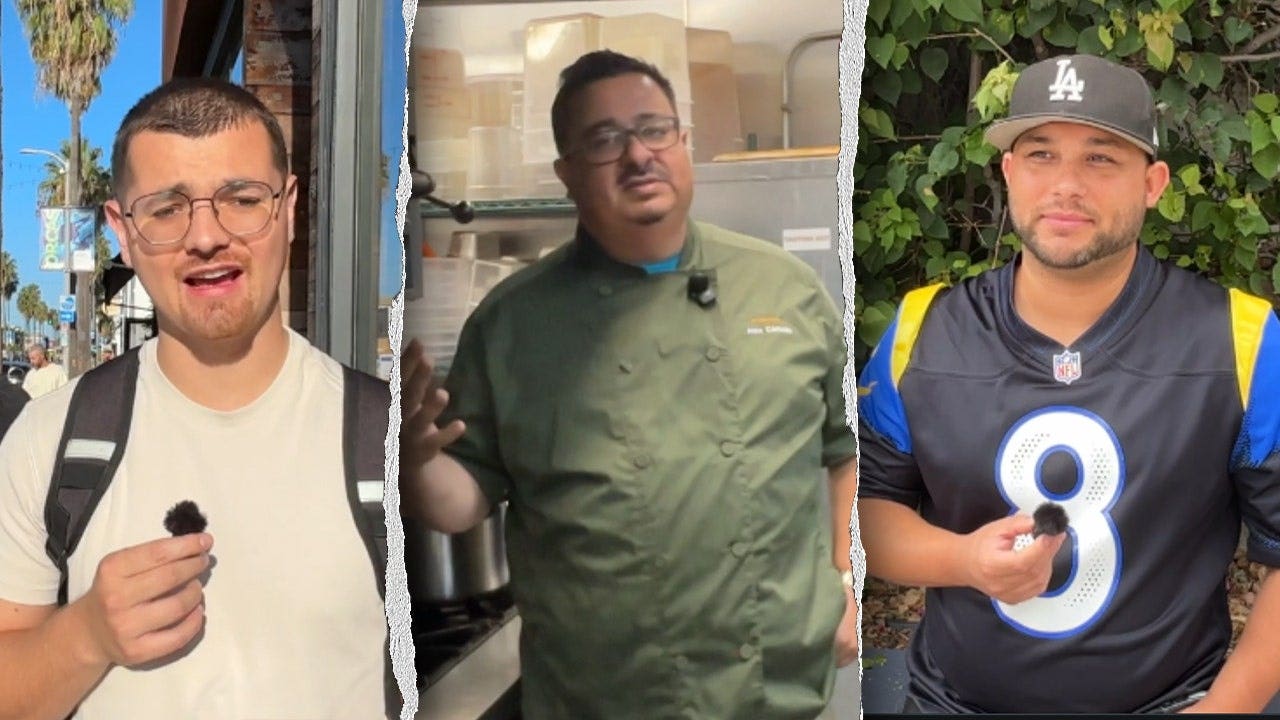
Chef Alex Carballo of Grand Restaurant Group said happy hour used to account for roughly 5% to 8% of his business. Now it has climbed to nearly 30%, even as some customers are going out less often overall.
“My happy hour has increased a lot, so I think people are looking for deals and looking for options,” Carballo said. That kind of behavior is all over California right now, where the cost of living has shoved a lot of everyday decisions into the spotlight.
Residents say the pressure starts long before they reach the restaurant door. Housing, groceries, and gas keep eating into budgets, and that leaves less room for casual spending on meals, drinks, and nights out.
California’s price levels remain the highest in the country, with statewide costs sitting well above the national average. Still, the squeeze is not unique to the Golden State, since shoppers across the U.S. are also feeling the sting from higher prices on basic necessities.
For restaurant owners, happy hour can be a double-edged sword. The lower prices bring in people who might otherwise stay home, but the operating costs do not suddenly take a nap just because the menu gets cheaper.
Carballo said customers are showing up less often, and some regulars have cut back sharply on how many times they dine out each week. What used to be a routine stop for drinks or appetizers is now, for many, the full meal.
“They’re going out three times a week, where they were coming out to see me four or five [times]. And the people that used to see three times a week, they’re only coming out once,” he said. That kind of drop explains why discounted offerings are suddenly carrying so much weight.
He also said the math is brutal on the business side. Food costs are still high, wages still have to be paid, rent is still due, and discounting menu items is basically a gamble to keep seats filled.
“I’m still paying the same amount for food. I’m still paying the employees. My rent didn’t change. Nothing changed. Only thing I’m doing is trying to discount my product to gain people to come here,” Carballo said.
That tension shows up in everyday life too. A Santa Monica resident named Jonas said he and his fiancée are tightening their budget while planning a wedding, with gas, rent, and groceries all pressing in at once.
“Certainly gas is expensive, rent is high, and then grocery prices are pretty high as well,” Jonas said. He said the couple is eating out less often and making little changes, like walking to work, just to keep costs down.
His reaction matches a broader feeling many Californians describe: prices seem to be climbing everywhere, but paychecks are not keeping pace. Even people who are not in crisis still feel like they are getting less value for the money they spend.
For some, the answer has been to leave altogether. Justin, who grew up in Glendora and now lives in Las Vegas, said California’s cost of living helped push him out years ago, and the gap still feels wide.
“Affordability is crazy,” Justin said while visiting Los Angeles for a Rams game. He added that rent and gas felt steep years ago, and now the state feels even less manageable for people trying to live alone.
Housing remains one of the biggest pressure points. In the second quarter of 2026, only 19% of California households could afford the state’s median-priced home of $916,750, a number that keeps a lot of would-be buyers on the sidelines.
That same strain shows up in places like Venice, where Tatiana said nearly everything has gotten more expensive, from gasoline to local restaurants. “Everything is more expensive, gas is more expensive, food,” she said. “There’s really very few affordable restaurants left on Abbot Kinney. Even our local co-op prices have gone up at least 15%. Everything costs more.”
She summed up the mood in one blunt line: “We’re not getting any breaks in California.” For a lot of people, that is exactly what it feels like, from the grocery store checkout to the dinner tab to the drive home.
