
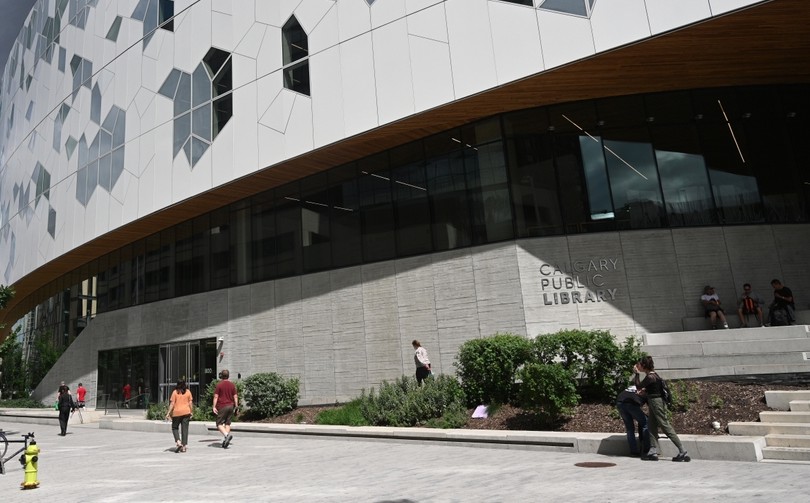
Calgary’s “bubble zone” bylaw is now heading into a constitutional fight, and the stakes are bigger than one protest, one ticket, or one library entrance. The case has drawn fresh attention because it puts freedom of expression squarely against city rules that limit how close people can stand when they want to object to certain events. The appeal will test whether Calgary went too far when it tried to block protests near drag queen story times and other LGBTQ-related events at public facilities.
The challenge centers on a rule that bars certain demonstrations within 100 meters of entrances to recreation centers and libraries. According to the constitutional freedom group involved in the case, the bylaw restricts protests that express “objection or disapproval” toward a wide list of characteristics, including race, religion, gender, gender identity, gender expression, and sexual orientation. That kind of language is exactly why critics say the city built a speech filter, not a safety measure.
The dispute got more concrete after protester Larry Heather was ticketed for comments he made near Calgary’s Central Downtown Library during a drag queen story event in April 2023. A lower court judge upheld the ticket, even while agreeing the bylaw was overly broad in how it reached beyond the LGBTQ community. That mix of rulings has kept the legal fight alive and pushed the issue into the Alberta Court of Appeal.
At the heart of it is a simple question with huge consequences: can a city tell people they must keep their objections far enough away that they cannot be heard? The defense of the bylaw says public spaces should be protected from harassment and intimidation, but opponents see something else entirely. They see government deciding which views are allowed to show up near public buildings and which ones get pushed out of sight.
The Calgary council approved the Safe and Inclusive Access Bylaw back in March 2023, giving it broad reach around city-owned and affiliated public buildings. It was framed as a way to block “specified protests” both inside and outside those spaces, especially after some drag queen story time events drew public pushback. Critics argue that once officials start using city rules to manage the content of protest, the line between order and censorship gets dangerously thin.
The penalties are no small thing either. People found guilty of violating the bylaw could face fines as high as $10,000 or even a year in jail. That kind of punishment sends a loud message, and not just to one protester, but to anyone who thinks public sidewalks and plazas should still be open for open disagreement.
The Canadian Constitution Foundation says the bylaw is an unlawful attempt to control expression, and its lawyers have leaned hard on the idea that democracy depends on hearing unpopular views. Christine Van Geyn said protesters should not be forced to stand blocks away from the very event they want to challenge, and Josh Dehaas argued that freedom of expression exists to protect speech people may find offensive or deeply disagreeable. That is the kind of plainspoken argument that lands because most people understand what is at risk when officials start policing disagreement.
There is also the political backdrop in Calgary itself. In June 2022, city council amended bylaws to ban insulting or demeaning behavior and harassment tied to categories like age, race, sexual orientation, disability, gender identity, and gender expression. Former Mayor Jyoti Gondek also made clear she wanted the street harassment bylaw used against drag story time protesters, which set the tone for the whole fight and made the city’s position impossible to miss.
Now the focus shifts to what the appeal court does next and whether Calgary’s rules can survive closer scrutiny. New Mayor Jeromy Farkas has not fully spelled out where he stands, though he has made comments in the past that many would call “woke.” With the appeal moving forward, the city is back in the spotlight, and the argument over who gets to speak, where they can stand, and how much disagreement a public square can handle is not going away anytime soon.
