
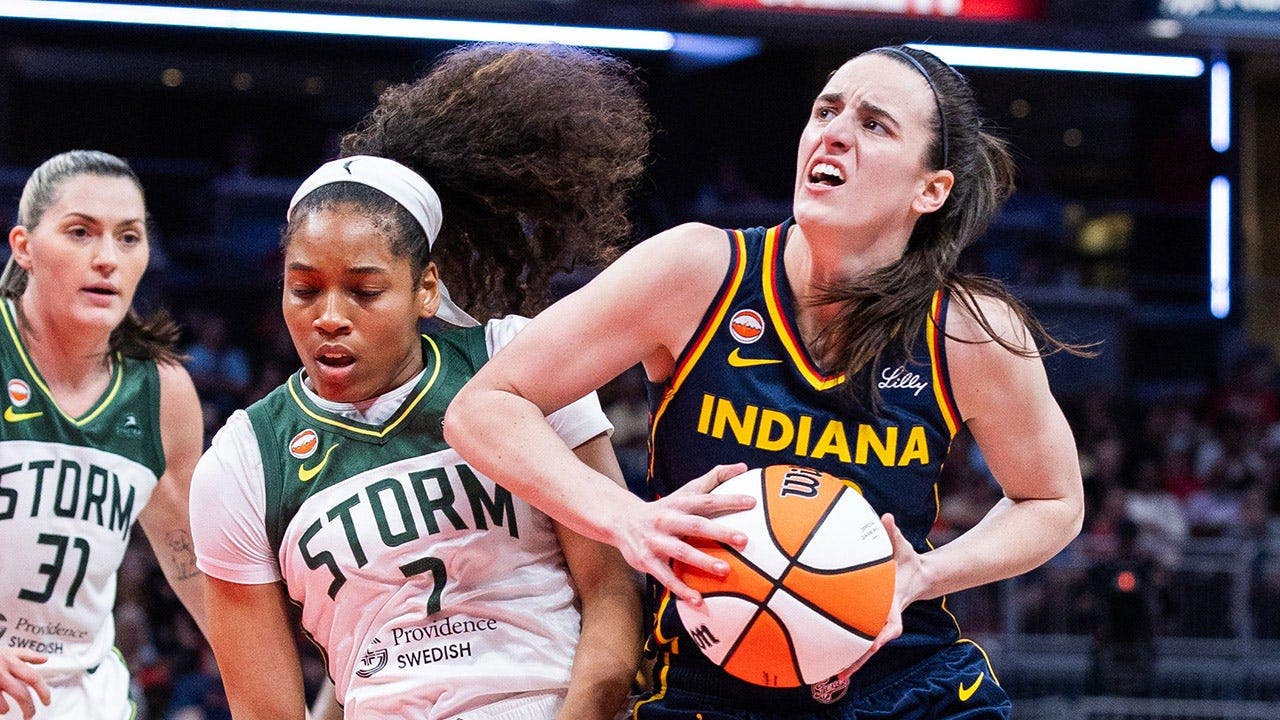
Caitlin Clark delivered an efficient 21-point, 10-assist performance to lift the Indiana Fever to an 89-78 win over the Seattle Storm on Sunday evening, and this article breaks down what that stat line meant for the game, how she affected the court, and what to watch next for the Fever.
Clark’s 21 points were the kind you notice not just on a box score but in how the offense moved around her. The description “efficient” matters here; it means she found high-value shots, avoided wasted possessions, and let the clock work for her team rather than against it. That kind of scoring keeps defenses honest and opens passing lanes. In a game that ended 89-78, those points came at the right time and in the right ways.
The 10 assists tell a companion story: this was a night of creating for others as much as scoring for herself. Assists reflect vision and timing, and reaching double digits shows a willingness to involve teammates and trust the supporting cast. When a primary playmaker posts that many assists, the whole offense becomes harder to scout and easier to execute. It’s not just about racking up numbers; it’s about making the offense flow.
Combining efficient scoring with high assist totals is a particular skill set that changes how a team fights through pressure. Opponents can’t simply double down on her scoring without risking open looks elsewhere, and that balance forces match-ups and rotations that favor the Fever. In a close-ish game against a reputable opponent, that kind of dual threat can be the difference between a split and a statement win. The 89-78 final reflects a game where control mattered.
Playing the Seattle Storm is rarely a casual assignment, so this result carries weight beyond the win column. Beating a team with playoff aspirations requires poise on both ends, and a leader who can manage tempo and decisions. Clark’s night served as that management: she set the rhythm, found the gaps, and converted opportunities. When leadership looks like calm production, it’s encouraging for a team trying to stitch together consistent results.
For fans and media, performances like this sharpen the narrative around a player without needing to overstate things. A 21-point, 10-assist line is a clear headline, but the underlying takeaway is about habit and repeatability. If the efficiency and playmaking seen in this game become routine, the Fever aren’t just winning matches—they’re building an identity. That’s the part that has longer-term consequences for how opponents prepare and how confidence grows inside the locker room.
On the court, those assists often come from reading the defense and making quick, decisive passes before coverage can adjust. That kind of anticipation creates easy buckets and reduces the number of forced shots late in the shot clock. It also helps teammates settle in and play with clearer roles, which feeds a virtuous cycle: easier shots lead to better percentages, and better percentages lead to more space for the playmaker. Efficiency begets more efficiency.
Of course, one game does not define a season, but individual nights like this serve as useful templates. Coaches can point to what worked—the mix of scoring and creating, the timing of drives and kicks, the importance of conserving energy for late possessions—and replicate it. Opponents will film and adjust, so the challenge becomes maintaining that balance under new pressure and scouting plans. Watching how the Fever use this blueprint will be telling.
What to watch next is straightforward: see if Clark can sustain that combo of clean scoring and generous playmaking, and notice whether the team responds by closing out similar contests with the same composure. Nights like the 21-point, 10-assist performance against the Storm provide a roadmap, but the test is in repetition. If the Fever can keep finding that mix, those headlines will start to feel less like surprises and more like expectations.
