
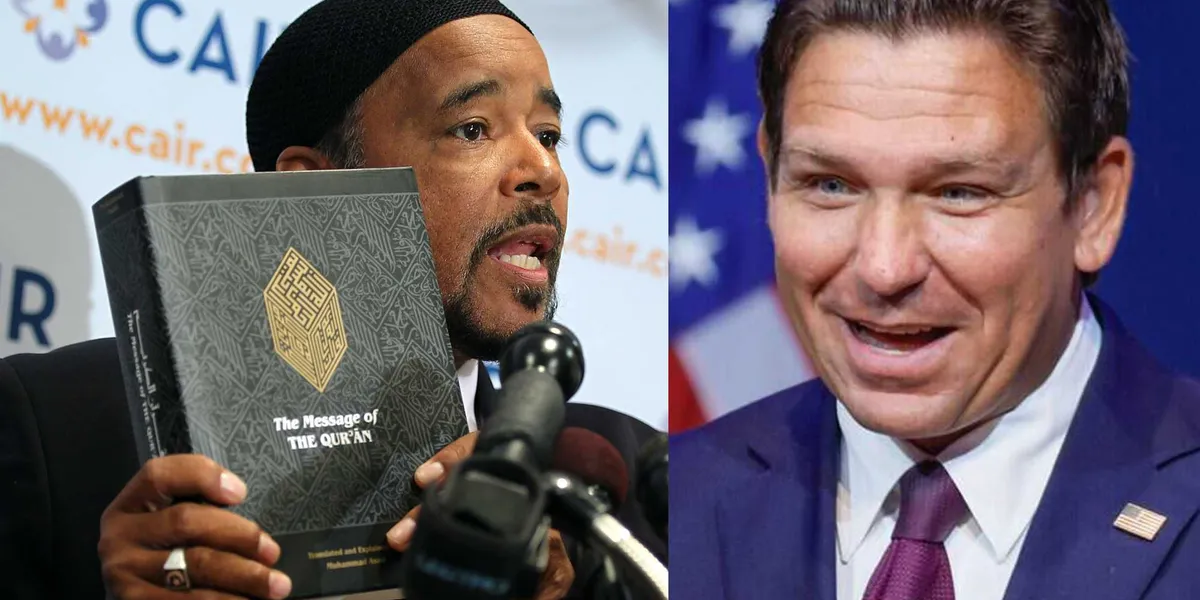
Florida just landed in the middle of a legal and political storm after a federal judge ruled against a lawsuit tied to CAIR’s effort to challenge its terrorist designation in the state. The decision quickly shifted the pressure onto the organization’s Florida operations, which were then suspended, setting off a fresh wave of debate over security, accountability, and how far state officials can go when confronting groups they believe pose a threat.
The case has drawn attention because it sits right at the intersection of law enforcement, civil rights claims, and aggressive state politics. Florida officials have long taken a hard line on groups they view as tied to extremism, and this latest ruling gave that posture a major boost. For supporters of the move, the court’s decision looked like a clear validation of a tough-on-terror stance that refuses to give controversial organizations a free pass.
CAIR, the Council on American Islamic Relations, has faced scrutiny for years from critics who say its advocacy often overlaps with activism that is hostile to American security interests. The organization has rejected that characterization, but the legal setback in Florida put it on the defensive in a big way. Suspending operations in the state sent a loud message that this fight is no longer just about public relations or talking points, but about whether the group can keep its footing under mounting legal fire.
Ron DeSantis and other Florida Republicans have built a brand around being blunt about threats they believe are being ignored elsewhere. In that climate, the ruling lands as more than a courtroom win, because it reinforces a broader strategy of drawing sharp lines between Florida and organizations tied to controversial foreign or ideological networks. That approach has plenty of critics, but it also resonates with voters who want leaders willing to act decisively instead of hiding behind cautious language.
The suspension also raises practical questions about what comes next for CAIR in the state. Operations, staff, outreach, and influence all become harder to maintain once a group is forced to step back under legal pressure. Even without a dramatic public showdown, the effect is immediate, and it can change the way local institutions, political figures, and community groups choose to engage.
At the same time, the case reflects the larger national fight over where the line should be drawn between protected advocacy and organizations that state leaders say deserve closer scrutiny. That fight has only intensified in recent years as concerns about terrorism, radicalization, and foreign influence have moved closer to the center of public debate. Florida’s action will likely be watched far beyond its borders, because other states often study how aggressively the Sunshine State pushes issues that hit this hard.
The political impact may be just as important as the legal one. A ruling like this gives Republicans fresh ammunition in a broader argument about border security, national safety, and the need to confront institutions they believe are working against American interests from within the system. It also feeds a message that voters do not have to accept soft treatment of groups that trigger legitimate alarms.
For CAIR, the path forward now looks tougher and more uncertain. Any attempt to rebuild credibility in Florida will have to happen under the shadow of this loss, and that is not a comfortable place to operate. The story is still moving, and the next legal or political step could sharpen the clash even further as both sides brace for what comes next.
