
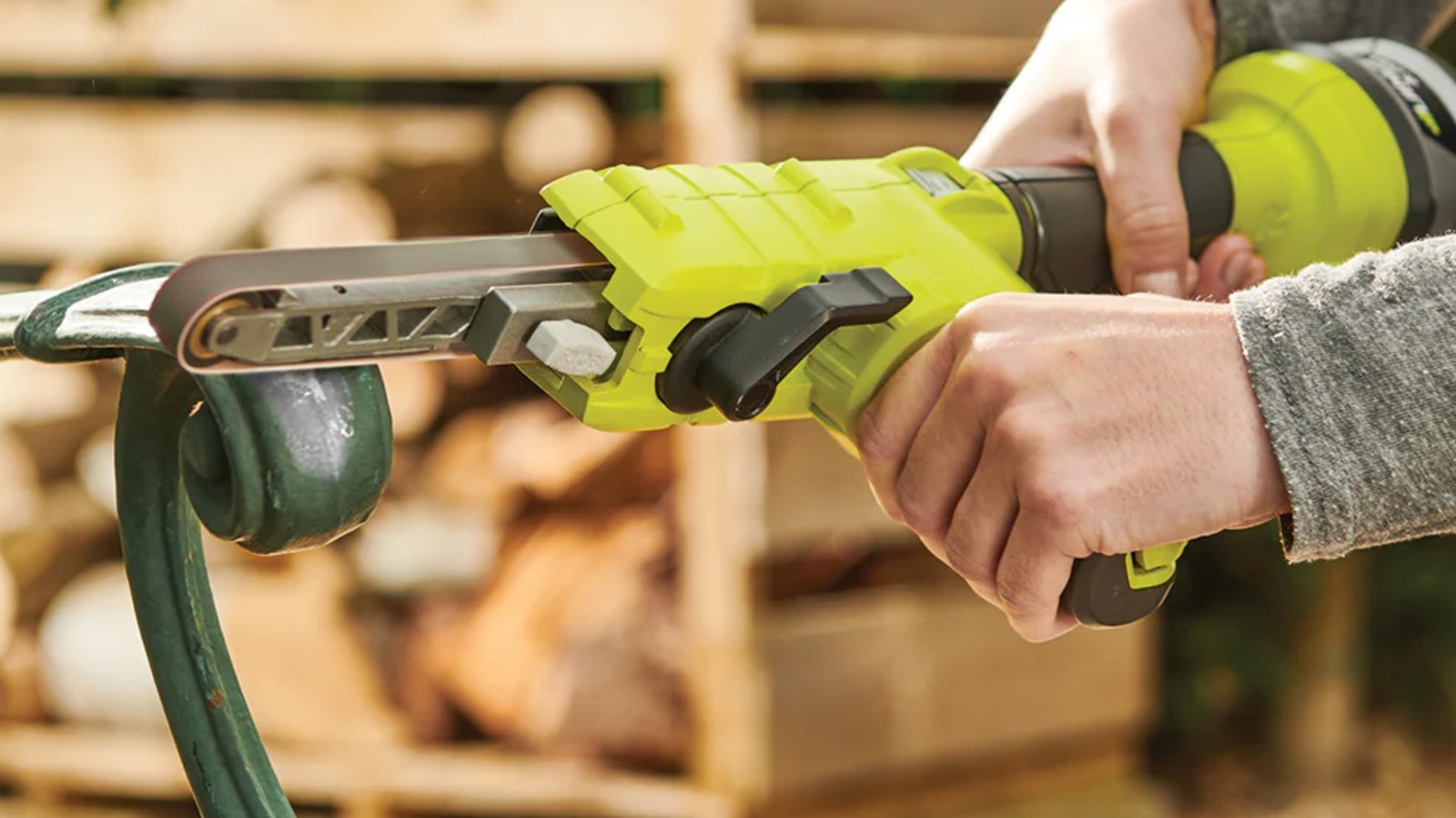
If you want a practical, budget-friendly toolkit that actually gets the job done, Ryobi offers a strong mix of value, battery compatibility, and a broad tool lineup that covers most home repairs and weekend projects. This piece walks through which core Ryobi tools to prioritize, how to save on batteries and bundles, and simple upkeep so your gear lasts. Read on for a clear plan to build a capable DIY kit without overspending. Use these ideas to pick the right tools and avoid common buyer mistakes.
Start with the basics: a drill driver and an impact driver. The drill handles drilling and light screwdriving while the impact driver takes over for stubborn fasteners and heavier work, which means you get power where it matters without doubling up on redundant tools. Together they cover the lion’s share of everyday tasks, from hanging shelves to assembling furniture.
A circular saw and a compact reciprocating saw round out cutting needs for most home projects. The circular saw is your go-to for straight cuts in sheet goods and framing, and a reciprocating saw lets you handle demolition, pruning, and awkward cuts in tight spots. Choosing compact, battery-powered versions keeps your setup portable and useful for quick jobs around the house.
An oscillating multi-tool is one of those underappreciated workhorses that saves time and frustration. It can sand, cut trim, remove grout, and make plunge cuts where other tools can’t fit, making it ideal for repair work and quick remodeling tasks. The versatility alone justifies including one in a thrifty toolkit.
Finish and cleanup gear matter as much as power tools when you want nice results without extra trips to the store. A random orbital sander smooths edges and preps surfaces for paint, and a compact shop vacuum or wet-dry vac keeps the workspace tidy and safer. Adding a bright LED work light removes guesswork when you’re working in dim corners or garages.
>
Battery strategy is where you can save or spend. Stick to one battery platform to avoid buying multiple chargers and spare packs, and prioritize buying at least two batteries so one can charge while the other is in use. Look for kits that include a charger and at least one battery, and consider buying a second battery later when you can take advantage of sales or rebates.
Buy bare tools when you already own compatible batteries, and choose kits when you need that initial battery and charger. Shop around for seasonal deals, clearance items, and certified refurbished tools to stretch your budget further. Local classifieds and garage sale finds can also yield like-new tools with a fraction of the retail price, but inspect batteries closely before you buy.
Think about storage, safety, and maintenance from day one. A compact toolbox or tool bag protects your investments, and organizing chargers and batteries prevents accidental damage. Clean tools after heavy use, keep blades sharp, and store batteries at moderate temperatures to extend life and performance.
Accessories are small costs that make a big difference: quality drill bits, saw blades, sanding discs, and fastening assortments speed up work and reduce frustration. Spend more on a few reliable blades and bits that match the materials you work with most often, and rotate consumables as needed instead of forcing dull bits to do the job. Proper consumables save time and keep tools running efficiently.
Finally, plan tool purchases around the projects you actually do rather than impulse buys. Start with the core set, use the tools until those needs are consistent, and expand thoughtfully as projects demand. With a sensible approach, Ryobi’s platform-style lineup lets you build a capable, budget-friendly toolkit that handles home repairs, weekend projects, and odd jobs without breaking the bank.
