
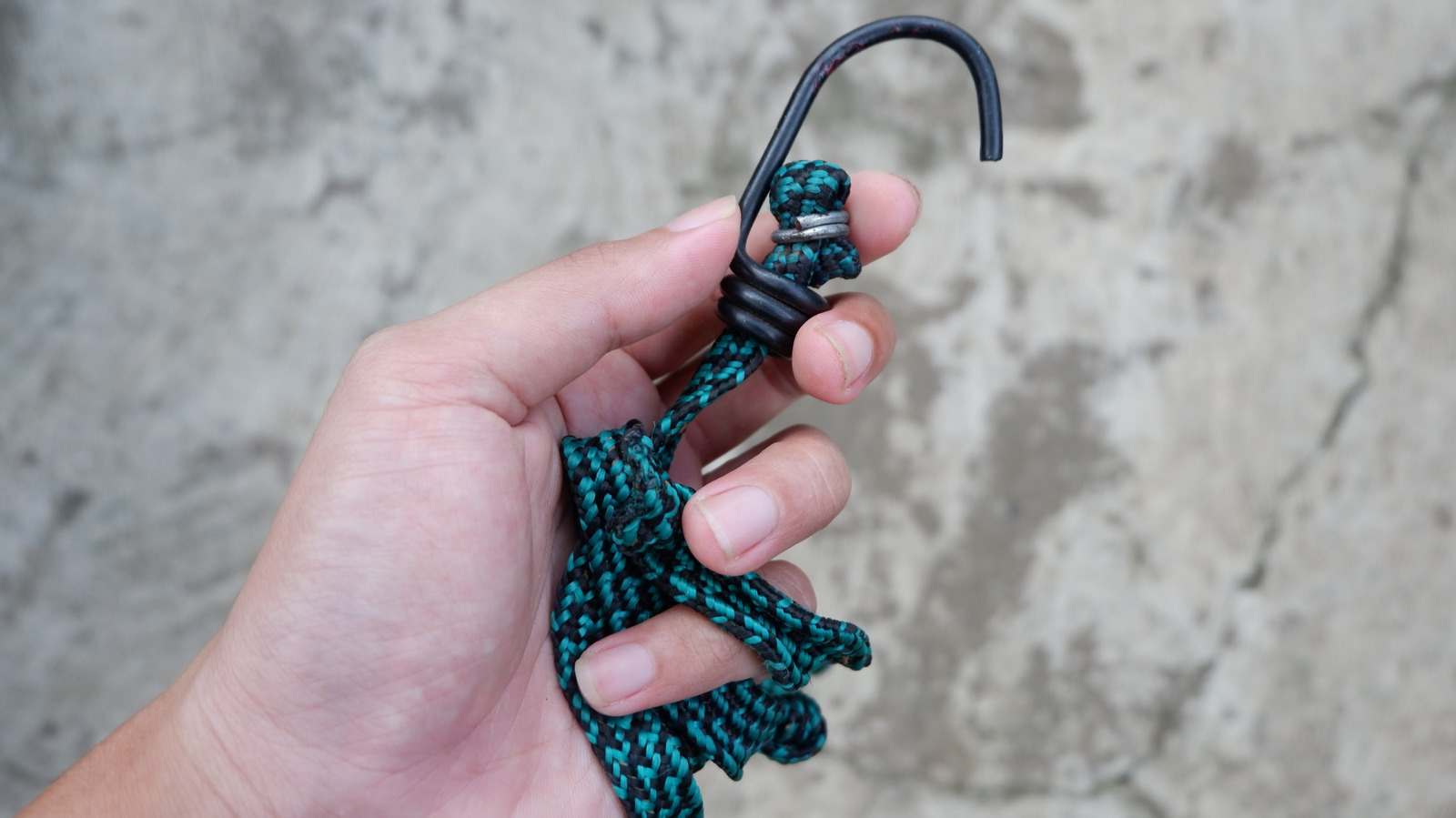
Quick note: this piece runs through practical ways to use bungee cords around the house to tame cables, lock down bins, hang tools, and free up space with simple, low-cost setups. You’ll get clear, hands-on ideas that work in a garage, a closet, a utility room, or outside without fancy gear. Expect straight tips, safety reminders, and a few clever tricks you can try today.
Start with cables: loop a small bungee through a power strip’s slots or around a bundle of wires to keep them neat and off the floor. Use a pair of short bungees to create a flexible sleeve that holds cords against a desk leg or the back of a TV stand. This avoids tangles and keeps plugs accessible while preventing tripping hazards in high-traffic spots.
For bins and storage lids, a couple of bungee cords can replace a missing latch or act as a secondary lock for loose lids in a shed or trunk. Wrap the cord tight across the container and hook it to anchor points on opposite sides to keep everything sealed during transport or stacking. It’s quick, reversible, and you can adjust tension on the fly to fit different sizes.
In the garage or workshop, turn bungees into tool hangers by stretching them between two screws or hooks to form an elastic grid. Slide handles of rakes, shovels, or screwdrivers under the strands so they sit suspended and easy to grab. That approach uses vertical wall space efficiently and keeps sharp edges elevated and visible.
Inside closets, use bungee loops to create mini-shelves for scarves, belts, or rolled-up tees by fastening one end to a shelf lip and the other to a hanger rod. The elastic holds lightweight items in place while letting you see and reach them quickly. It’s a small change that makes a crowded closet feel more organized without extra hardware.
Under shelves or inside cabinets, weave multiple bungees into a loose web to hold baking sheets, cutting boards, or even lids upright so they don’t slide into a jumble. The slight give in the cord cushions items and adapts to different widths, keeping things separated and easier to pull out. This works particularly well where deep shelves otherwise hide items at the back.
Outdoors, bungees are handy for securing patio cushions, collapsing a folded table for storage, or keeping a tarp in place over a barbecue when rain is coming. Choose UV-resistant cords and avoid overstretching them for long-term use to prevent loss of elasticity. For windy areas, add extra loops and anchor points to distribute load and cut down on flapping that causes wear.
Safety matters: always inspect cords for frays, exposed hooks, or loss of elasticity before relying on them for anything heavy or safety-critical. Replace any cord that shows cracking or steel hook corrosion, and never use a bungee in place of a rated tie-down for towing or lifting. Treat them as tension helpers for light-to-moderate loads where a quick stretch-and-hook solution makes sense.
Stock up on a few sizes and types so you’ve got the right stretch and hook style when a need pops up, and keep a small kit handy in the garage with spare hooks and adapter clips. When you’re installing, think about where the cord will rub and add corner guards or wrap tape to protect surfaces and the cord itself. With a little thought, bungee cords turn into tiny workhorses that solve everyday storage and securing headaches fast.
