
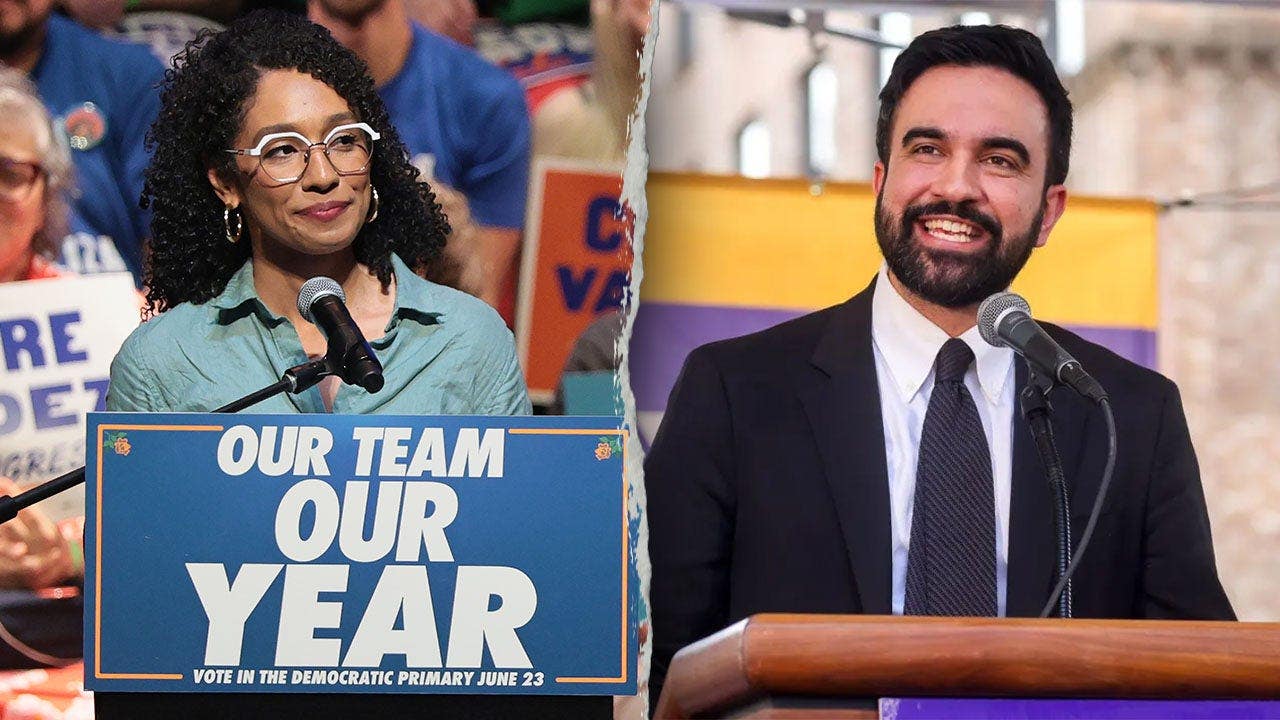
I spotted a post on X from Darializa Avila Chevalier, a Democrat running in New York’s 13th District, and it set off a chain of contradictions and questions about what we teach our kids and what we expect from leaders. She pledges to “abolish ICE” and wraps herself in unity talk, even declaring “Hate has no place Uptown and in the Bronx” and “no room for the hateful politics of the past.” But older posts with harsher language reappeared, forcing a closer look at the rhetoric and the reaction it draws.
On the surface, saying “Hate has no place Uptown and in the Bronx” sounds like common ground. It’s what voters want to hear: decent language, calls for unity, and a desire to move beyond bitter politics. That promise rings hollow when placed next to what this candidate once wrote and what some supporters cheer. Voters deserve consistency, not curated forgetfulness.
Someone quickly quote-posted those warmer statements and juxtaposed them with earlier lines that called the country a “f—ing disgrace” and declared “ALL PIGS EVERYWHERE ARE HARAM.” That sharp swing from anti-police fury to kumbaya language exposes either a change of heart or calculated messaging. Either way, it’s fair to ask which version is the real one.
The replies to those resurfaced posts were worse. People defended the raw hostility and even doubled down, arguing that the United States is inherently a terrorist nation and beyond redemption. One commenter asked, “America is a disgrace…. what is the controversy?” with the kind of shrug that treats national loathing as virtue. That normalization of contempt is dangerous.
Anti-Americanism is not merely a policy critique; it slides into identity and pride erosion when it becomes the default stance. When hatred of the country takes root, it eats motivation and responsibility. Communities hurt by real injustices deserve honest solutions, not a slogan that tells them their country is irredeemable.
Ask how you raise a child to succeed if everything they hear is that America is evil and irrevocably racist. Teach a young person to view their nation as the enemy and you teach them to avoid ambition and accountability. Pride and purpose are essential; without them, the next generation is set up to expect failure instead of striving for improvement.
Worse, some versions of modern education divide kids into oppressor and oppressed camps, flattening identity into a single category and making opportunity secondary. That approach reduces individuals to race-first labels and discourages personal agency. Real teaching should push students toward achievement and responsibility, not resignation and grievance.
I’ve worked in neighborhoods where the temptation to give up is real and where blaming everything on systemic foes is a short-term comfort and a long-term trap. If you truly believed your country was irredeemable, why invest sweat and time into building community institutions? I poured energy into a community center on the South Side of Chicago because I believed in building, not burning down.
Political platforms that offer slogans like “abolish ICE” and blanket condemnation of America do little to inspire constructive change. They sound loud in the moment but lead to the same outcomes: less trust, more division, and fewer real solutions. Leadership should be about lifting people toward opportunity, not convincing them that escape or destruction is the only honest choice.
History shows a different kind of patriotism: people who loved the country enough to demand it live up to its promises. The civil rights generation fought for inclusion, not national annihilation. Today’s professional haters offer grievance as identity and power as demolition. For communities that need hope, the better path is clear—build, teach accountability, and give young people reasons to believe in a future worth fighting for.
