
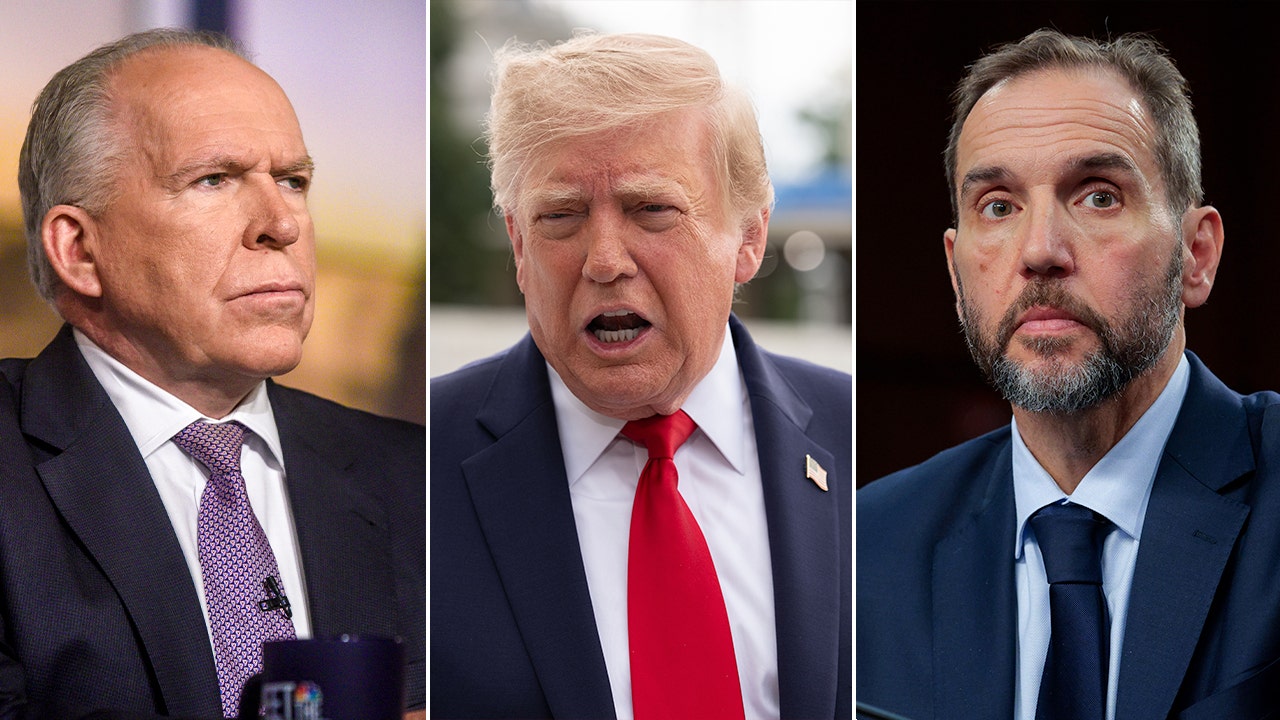
Newly declassified records have put fresh pressure on Jack Smith and his handling of the Trump investigations, this time over whether his team leaned on former CIA Director John Brennan while preparing the classified-documents case. Smith told senators he had never met Brennan, but the documents show assistants on his team sat down with Brennan in 2023, giving Republicans another opening to hammer what they see as a messy, politically loaded probe.
The issue started with a simple-sounding question from Senate Judiciary Chairman Chuck Grassley: had Smith ever received consultation or counsel from Brennan? Smith pushed back by saying he had never met Brennan, but the newly released material points to a broader reality, one that includes direct contact between Brennan and prosecutors working under him. That gap between the question and the answer is exactly what set off alarms among GOP lawmakers.
According to the records, two assistant special counsels joined FBI agents for a meeting with Brennan at CIA headquarters in McLean, Virginia, in November 2023. The stated purpose was to discuss expert testimony related to national security information in the upcoming trial, which suggests prosecutors were looking at Brennan’s background as they built their case against Trump. That detail alone does not prove misconduct, but it does make Smith’s public answer look a lot less tidy than he wanted it to be.
Grassley did not stop at that point. He later revisited the subject during the hearing and asked Smith whether he had ever spoken with Brennan, and Smith replied that he had no recollection of such a conversation. Grassley later said the response was “highly evasive and misleading, at minimum,” arguing that a meeting with Brennan’s involvement still counts when the question is whether counsel or consultation was received during the special counsel period.
The clash over Brennan fits into a larger Republican argument that Smith’s work was never cleanly separate from the Biden-era justice system. Critics have long said the investigations into Trump were driven by politics, not just evidence, and that federal power was used too aggressively against a former president who remained a threat to the establishment. Those concerns have only grown as more records surface and more details come out about who was talking to whom behind closed doors.
Smith’s defenders have insisted the investigations were evidence-driven and grounded in prosecutorial judgment, not partisan loyalty. Still, the declassified notes from CIA headquarters added more fuel to the fire, including pages with Brennan’s name and redacted text that only deepen the sense that the public has not seen the full picture. The documents do not show Brennan serving as CIA director during the relevant period, but they do show his name landing squarely inside the orbit of the prosecution.
That is why Republican lawmakers have kept pressing the point. They are not just focused on one sentence from a hearing, but on a pattern they say includes overreach, sloppy judgment, and a willingness to blur the line between law enforcement and politics. In their view, the Brennan meeting is not some side note. It is another sign that Smith’s team was operating with a mindset that invited exactly the kind of suspicion now hanging over the case.
The controversy also lands at a time when Trump allies are still revisiting the broader trail of investigative decisions surrounding the classified-documents matter and other probes. Grassley and other GOP critics have pointed to records involving donor information, lawmaker phone data, and expansive investigative tactics as evidence the government went far beyond what was necessary. The Brennan episode gives them a new exhibit to wave around, and they are doing it loudly.
For now, Smith has not publicly backed away from his earlier testimony, and his camp has continued to reject claims that the investigations were politically charged. But the newly declassified records have changed the tone around the issue, and they have made the hearing transcript look even more strained. In Washington, that kind of paper trail tends to linger, and this one is already giving Republicans plenty to work with.
