
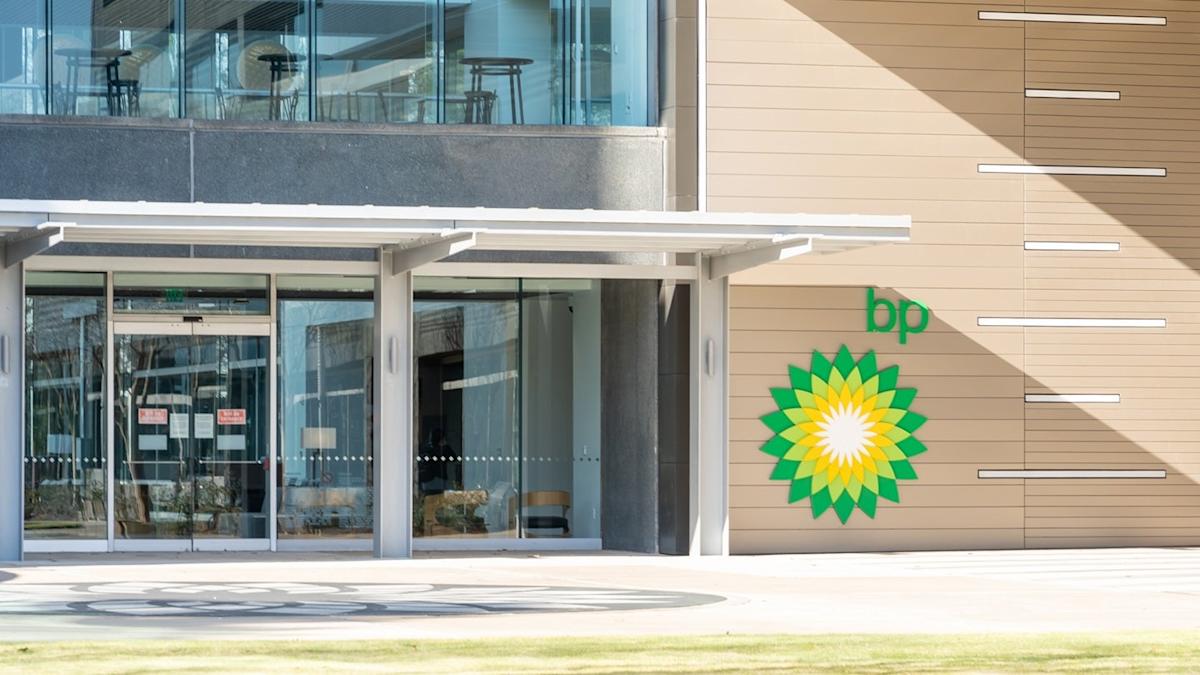
BP has signed a memorandum of understanding with the Venezuelan government to develop the offshore Cocuina-Manakin gas field that straddles the maritime boundary with Trinidad and Tobago, with potential work also planned in the Loran area. The deal marks a visible return of major international energy players to Venezuelan waters amid a shifting political environment in the region.
Under the MoU, BP will explore development options on both sides of the border and examine joint opportunities around the broader Deltana Platform. The Cocuina-Manakin reservoir is split by maritime lines, making cooperation between Venezuela and Trinidad essential for any meaningful project. This move could unlock substantial gas resources but it will require careful management of cross-border logistics and legal frameworks.
BP gas and low-carbon energy executive vice-president William Lin said: “BP was pleased to be partners with Venezuela on the exploration of the Loran area, as well as on other projects, including the commercialisation of gas.” The company’s language stresses collaboration and commercialisation, which frames this as a business-first effort despite the charged political backdrop. That tone is familiar coming from a global oil major aiming to secure long-term resource routes and export volumes.
The MoU lands as Venezuela seeks to re-engage foreign investors after major political shifts earlier this year, including the capture of President Nicolás Maduro by US forces. At the signing ceremony, which local state media broadcast, interim President Delcy Rodriguez said: “The return of bp is a clear sign of the future we want to chart for Venezuela and for international energy relations – relationships based on respect, cooperation grounded in a win-win approach and shared benefits that contribute to the development of the Venezuelan people.” Her remarks paint the return of multinationals as a political victory and an economic reset.
Shell has also signaled interest in the Loran project, adding competition and options for investors in the area. A BP subsidiary already operates the South side of the reservoir, in Trinidad’s Block 5b, giving the company an operational foothold and local experience. The Venezuelan side sits on the Deltana Platform, an area that has been largely dormant but is technically attractive given regional geology and existing nearby infrastructure.
In February, BP sought a licence from the US government to advance work at the Manakin-Cocuina location, a regulatory step that underlines how closely linked this project is to geopolitics. The company intends to tap more than one trillion cubic feet of gas from the field, with much of that set to support Trinidad’s liquefied natural gas exports. Those export plans carry implications for regional energy markets and for the balance of supply to global LNG buyers.
Venezuela has been quietly courting several international partners and recently struck similar arrangements with other energy firms, including Italy’s Eni and Spain’s Repsol. From a Republican viewpoint, reopening Venezuelan fields to Western companies can be seen as a pragmatic approach to boost energy supplies and counter influence from hostile actors. Still, such engagement should come with strict transparency, enforceable contracts, and protections for investors and regional partners.
BP’s financial position gives it firepower to pursue big, cross-border projects, and the company reported a sharp rise in first quarter profits for 2026 compared with the previous year. That kind of capital strength is essential for expensive offshore work and for the long lead times these fields require. But profits alone do not remove the political, legal, and security risks tied to operating in Venezuelan waters.
The deal opens real possibilities for energy production, jobs, and export revenue in the Caribbean energy corridor, yet it also raises red flags that deserve public scrutiny. US and allied oversight should ensure American interests are protected and that any partnerships enhance energy security rather than prop up unstable regimes. If structured right, cooperation could expand LNG flows and strengthen regional partners, but it must be done with accountability, strong legal guardrails, and clear benefits for consumers and allies.
